
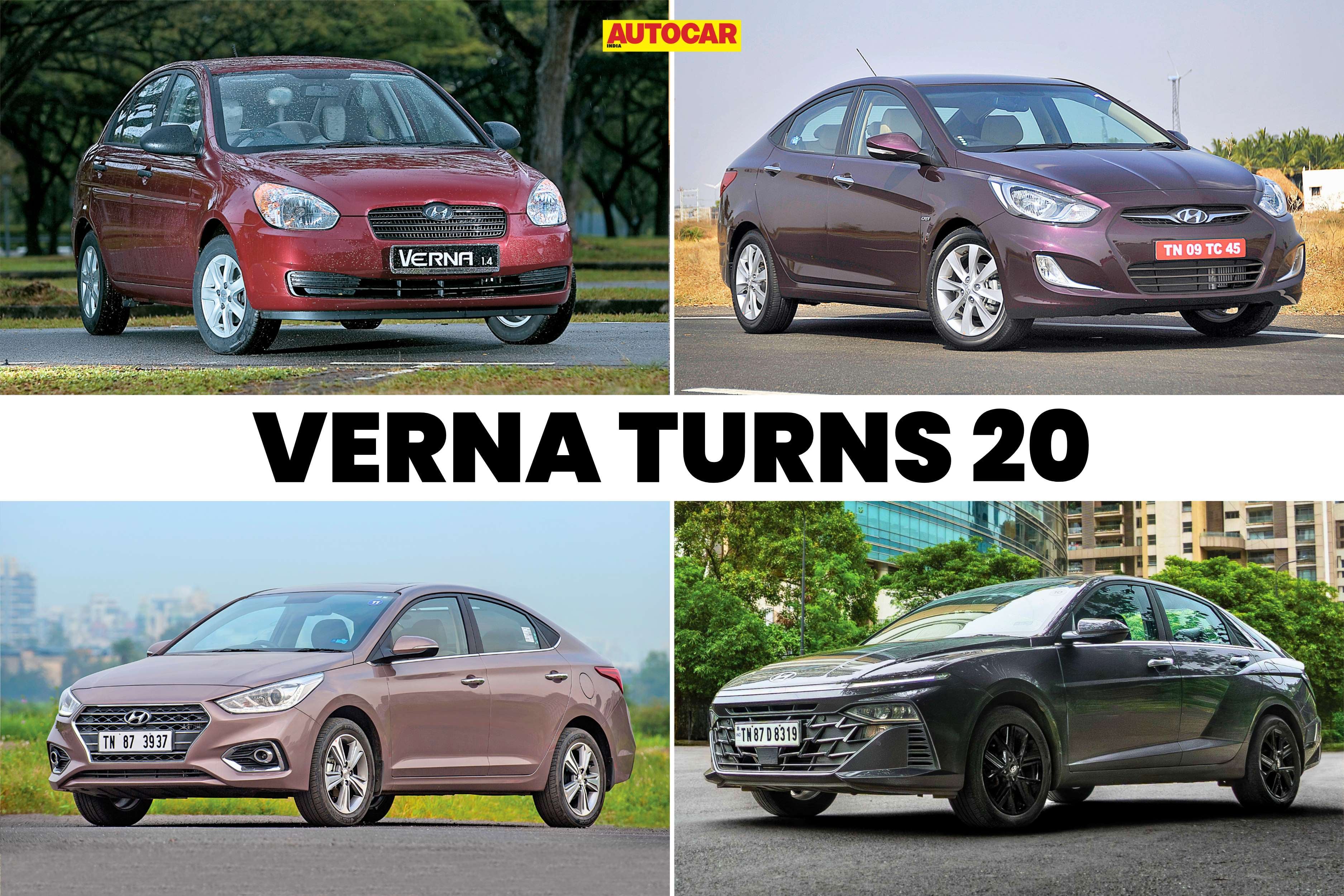
Hyundai is currently all-in on SUVs thanks to the persistent success of the Creta and Venue, but not many people know that the Korean carmaker’s longest-running nameplate in India belongs to a sedan: the Verna. Launched on September 25, 2006 as the successor to the Accent, the Verna is the longest-standing rival to the venerable Honda City in the midsize sedan segment.
Competitors like the Maruti Suzuki SX4 and Ciaz, Toyota Yaris, Fiat Linea, and Nissan Sunny came and went from this space, but the Verna continues to survive, pushing the segment forward and helping keep the midsize sedan alive – more important than ever given buyers’ increasing preference for high-riding form factors. On the Verna’s 20th anniversary, let’s take a look at how this beloved sedan has evolved with each generation.
First-gen Hyundai Verna (2006-2011)
The one that started it all
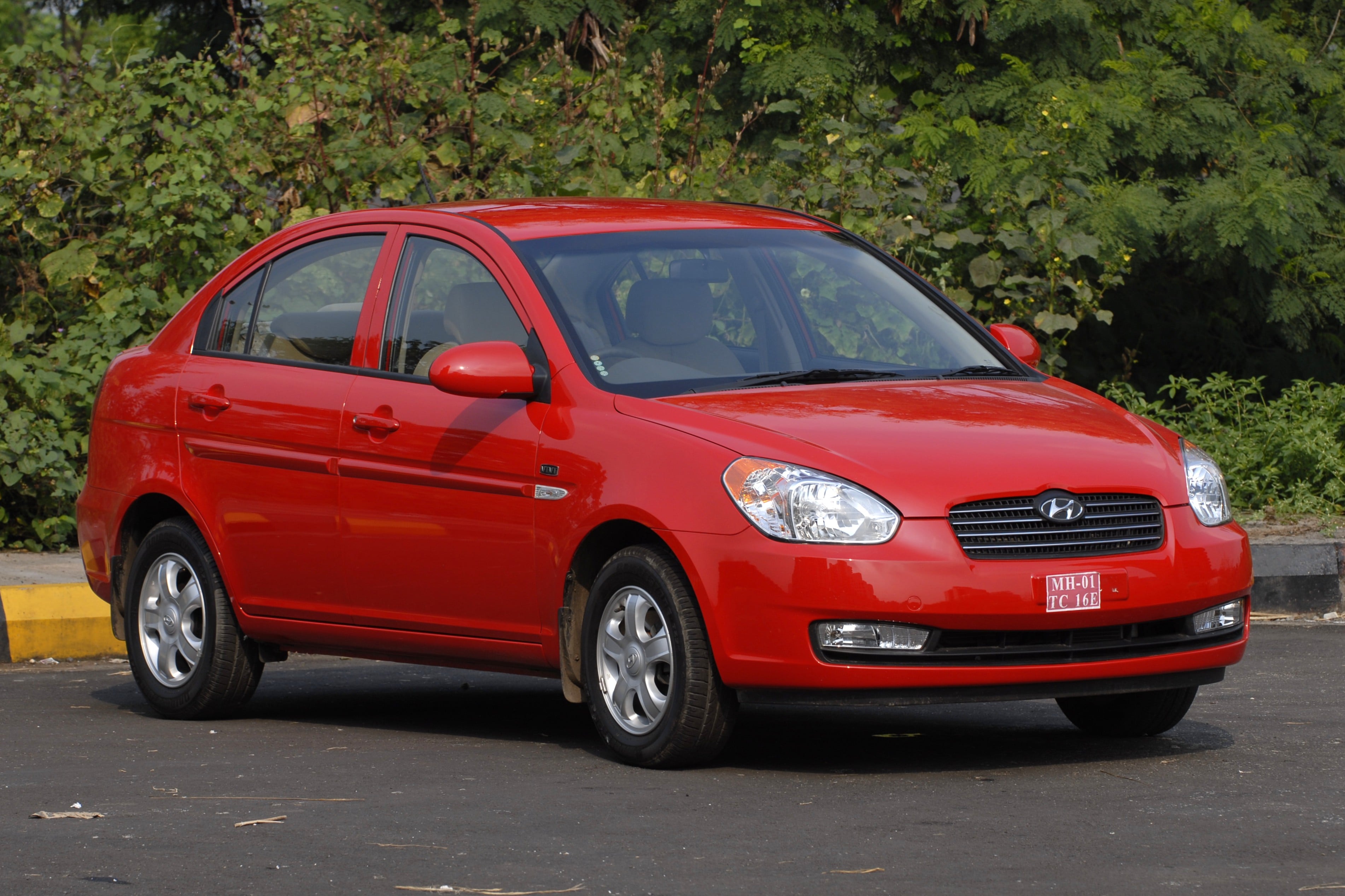
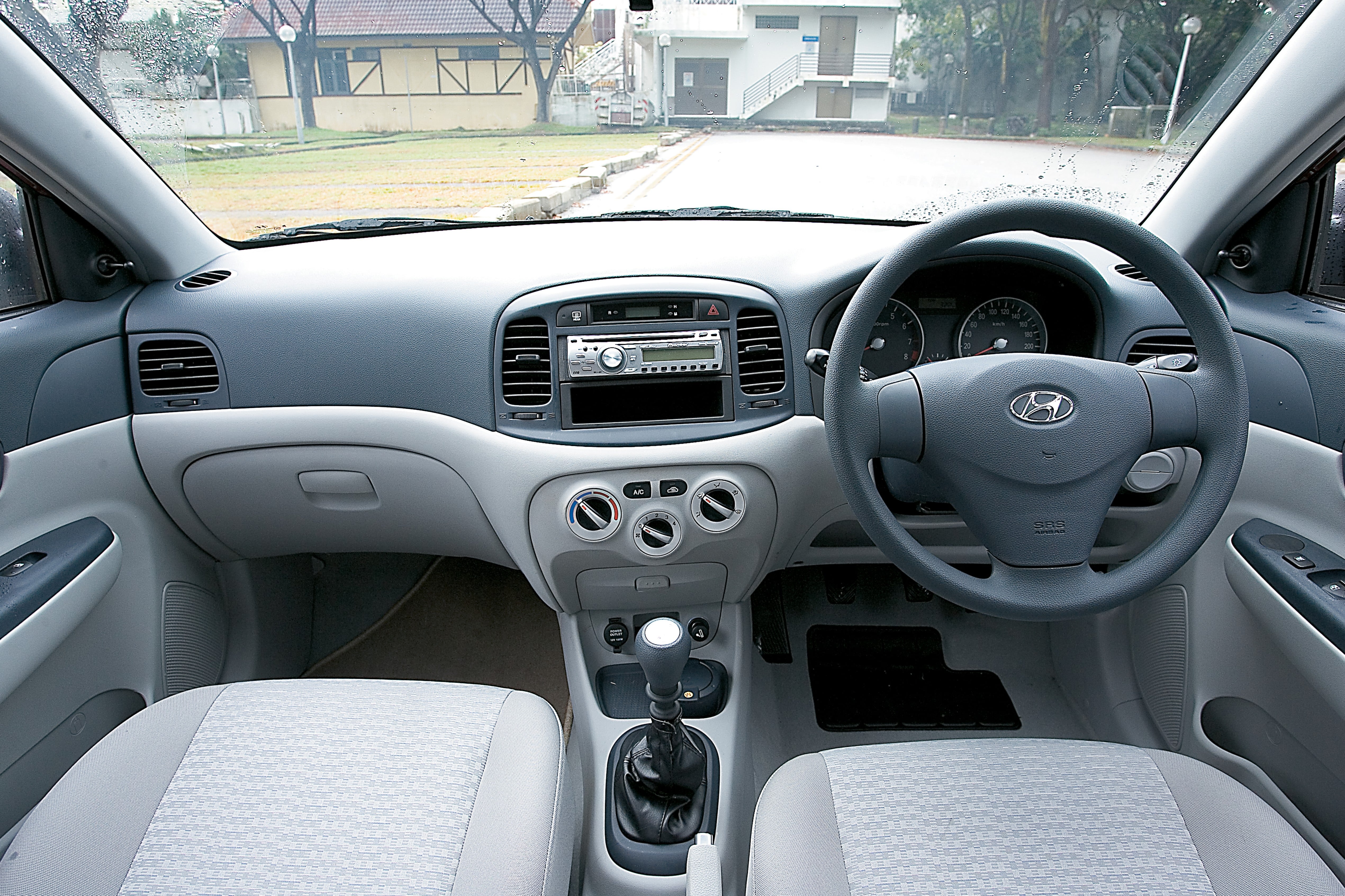
In 2006, Hyundai launched its Accent replacement under the Verna name because it wanted to sell both midsize sedans concurrently. The first-gen Verna featured a straightforward three-box design and was just over 4.3 metres long. Inside, the Verna was much more premium than the Accent, offering features like keyless entry, automatic climate control, a 4-speaker sound system, and more.
Under the bonnet, the first-gen Verna came with 103hp 1.6-litre naturally aspirated petrol and 110hp 1.5-litre diesel engine options, both of which were mated solely to a 5-speed manual gearbox – the diesel was later available with a segment-first 4-speed automatic transmission. The diesel Verna was particularly lauded for its strong power delivery and excellent fuel efficiency. Prices ranged from Rs 6.21 lakh-7.35 lakh, which was quite reasonable for the time. Needless to say, sedan buyers flocked to the Verna in droves, and it even won the 2007 Autocar India Value for Money award, among several others.
2010 facelift (Verna Transform)
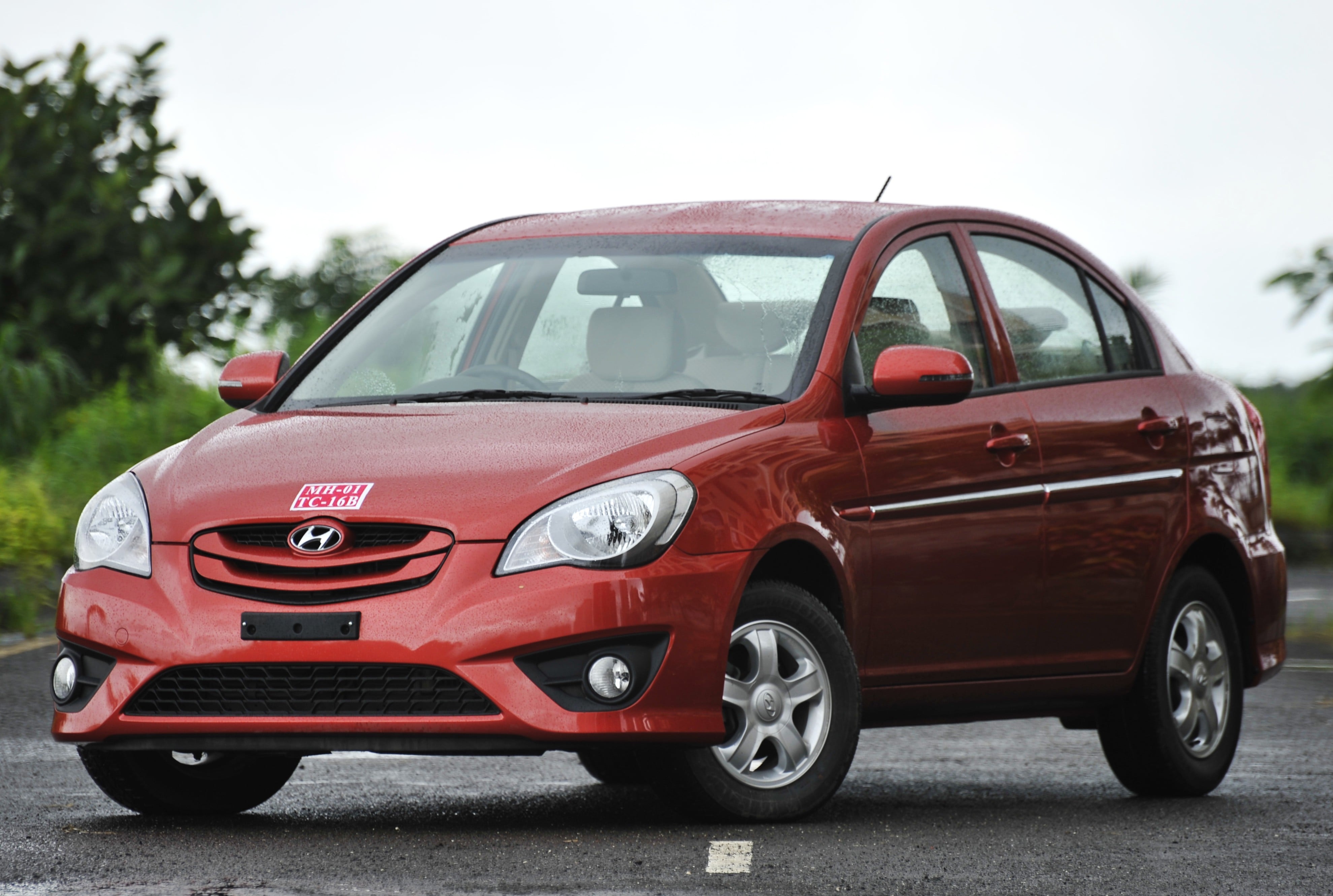
The Verna's very first facelift arrived in 2010 with a ‘Transform’ suffix attached to its name, and priced from Rs 6.56 lakh-9.22 lakh. While the engine options were unchanged, the Verna Transform was given a sharper-looking redesign on the outside, with revisions to the headlamps, grille, bumpers, wheels, and tail-lamps. The interior was fitted with blue LED illumination and a new instrument cluster, but was largely identical to the prior Verna.
Second-gen Hyundai Verna (2011-2017)
The one remembered as the ‘Fluidic’
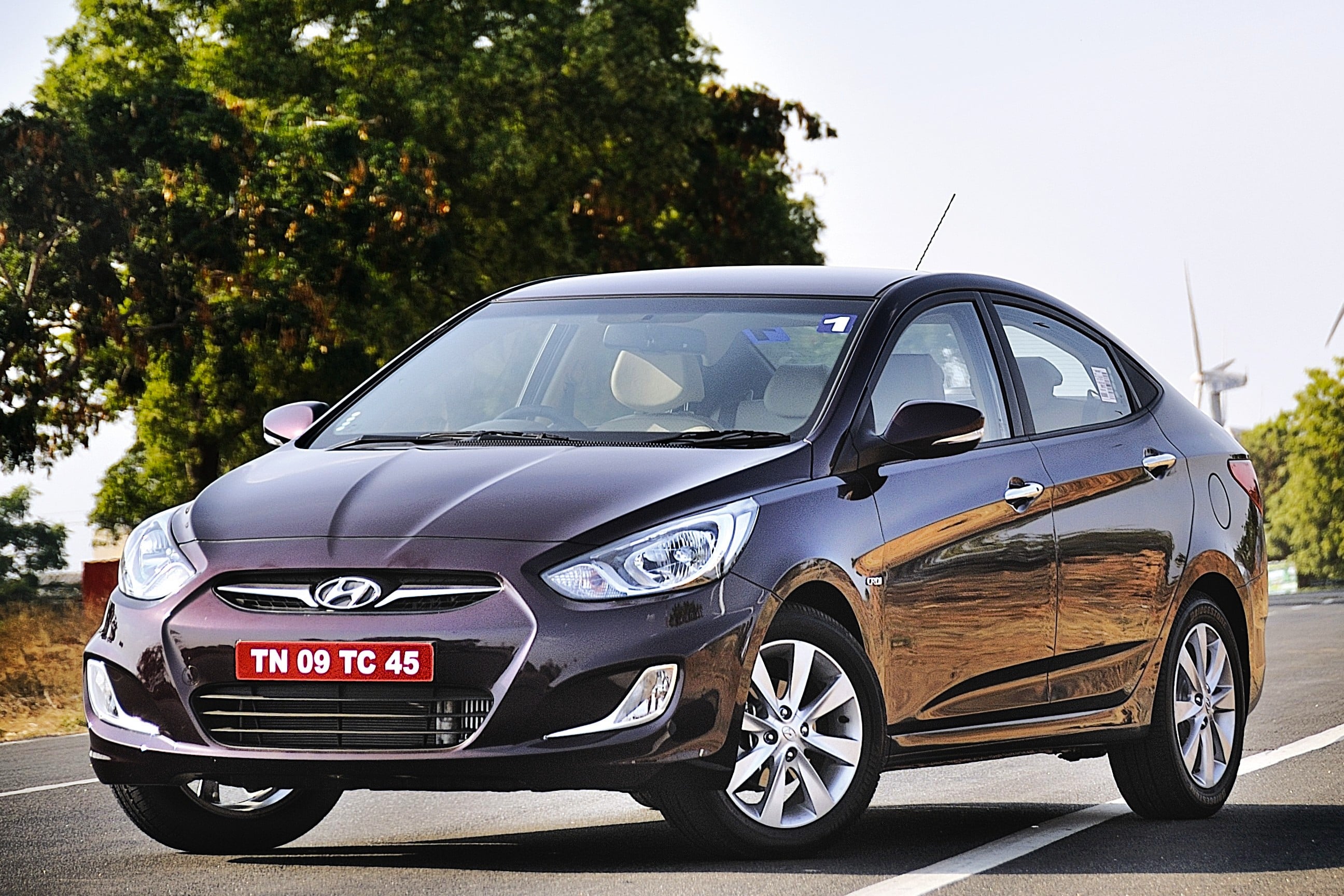
The second-generation Verna is the one many Indians still picture when they think of the nameplate. Adopting Hyundai's ‘Fluidic Sculpture’ design language, the second-gen Verna was larger and lower-slung than its predecessor, featuring more sculpted body lines, wing-shaped tail-lamps, and distinctive ‘eagle-eye’ headlamps. It was a sensational design at the time, and the engine options further sweetened the deal.
This generation of the Verna had the widest powertrain spread of them all. Buyers could choose between two naturally aspirated petrol engines – a 107hp 1.4-litre and a 124hp 1.6-litre – and two diesel engines – a 90hp 1.4-litre and a 128hp 1.6-litre. The petrol engines came with a 5-speed manual as standard, with the 1.6-litre unit additionally offering a 4-speed automatic. Similarly, the diesel mills got a 6-speed manual, with the larger engine available with a 4-speed automatic as well.
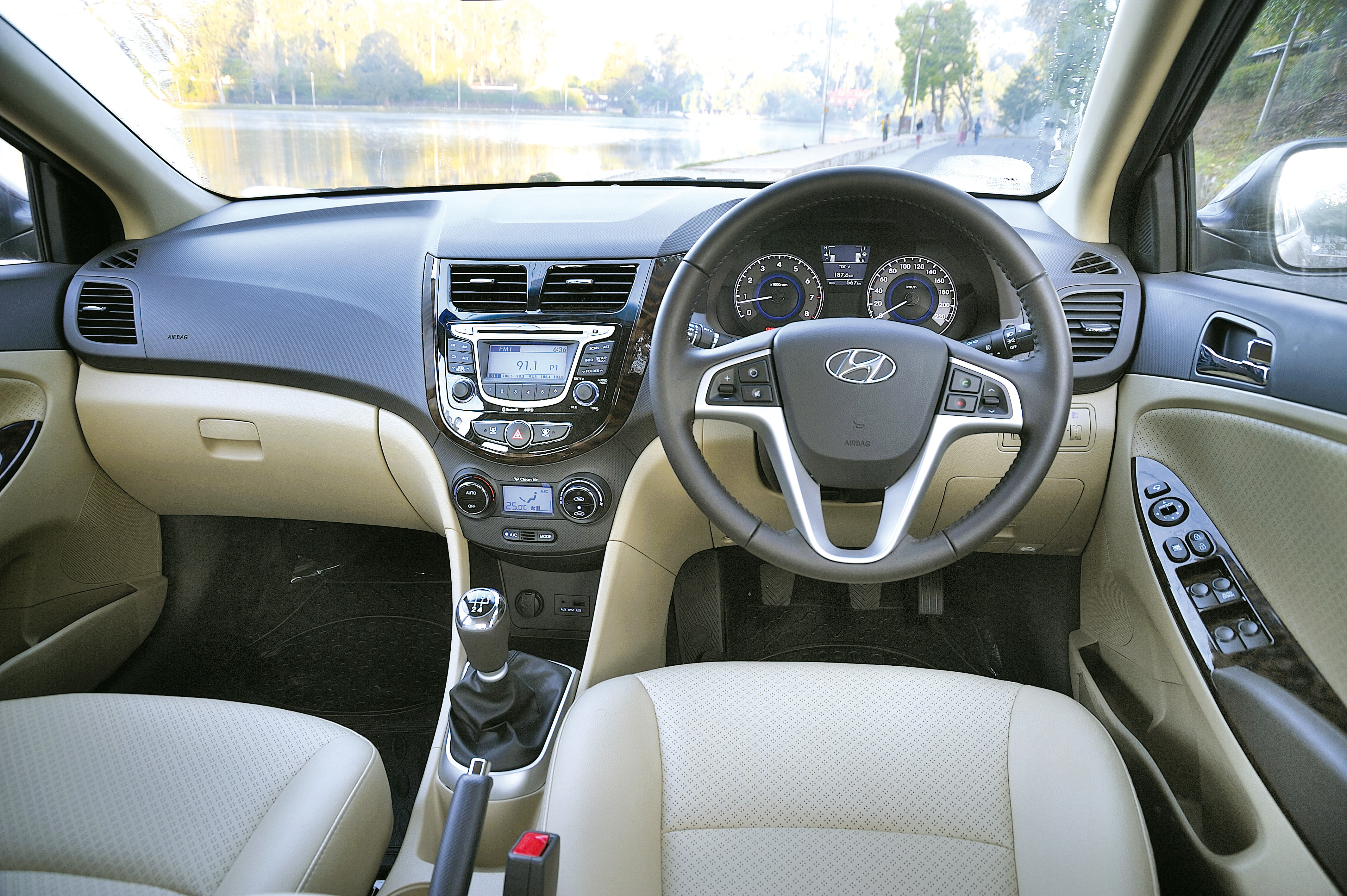
Combine all of the above with a much more modern interior equipped with segment-first goodies like a rear camera, 6 airbags, a cabin air purifier, and a cooled glovebox, along with very competitive pricing (Rs 6.99 lakh-10.74 lakh), and it's no surprise that the Fluidic Verna was a major success.
2015 facelift (Verna 4S)
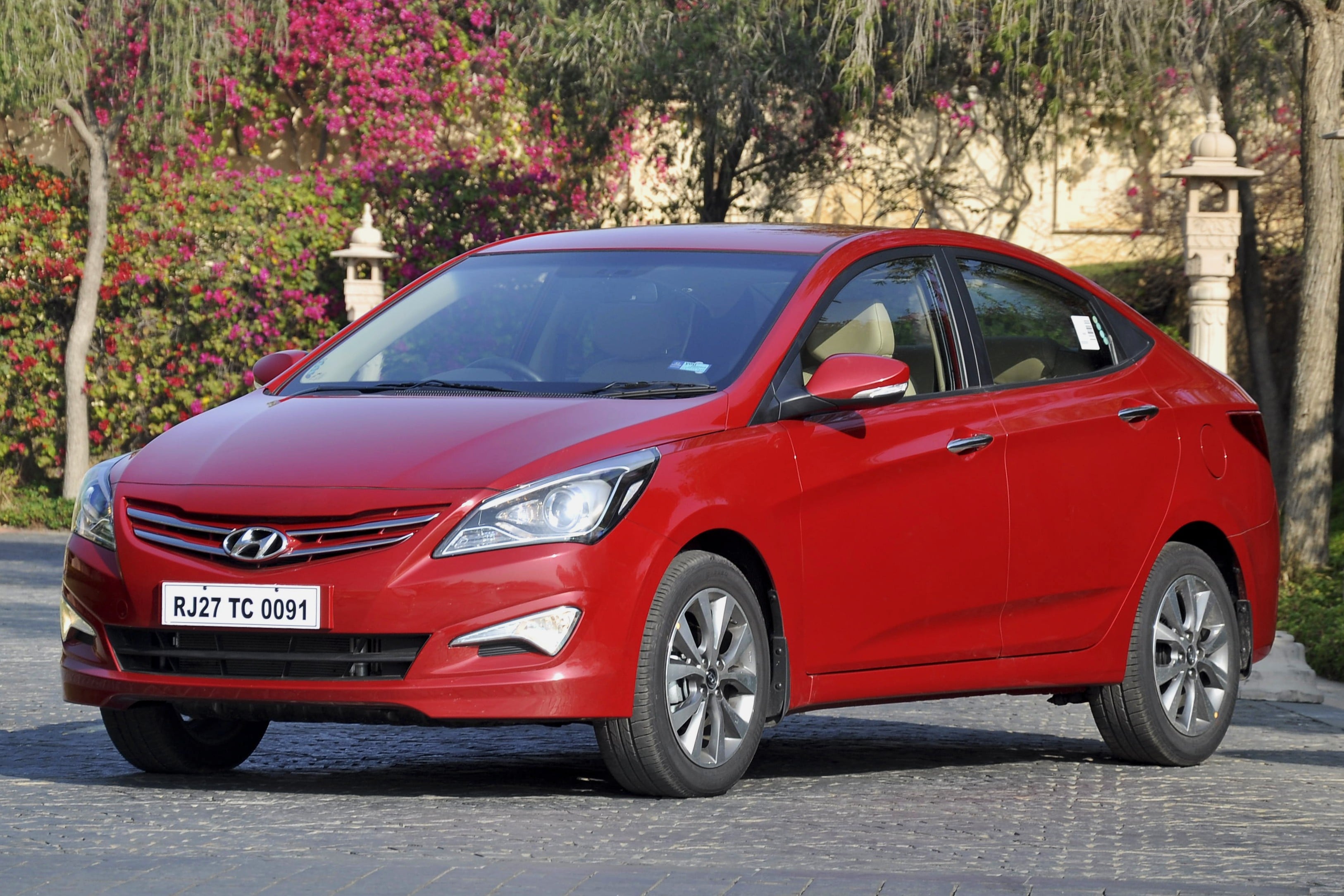
2015 marked the arrival of the second-gen Verna’s mid-lifecycle facelift, with prices starting at Rs 7.74 lakh and topping off at Rs 12.20 lakh. The styling grew more mature, with reshaped headlamps, updated bumpers, new wheels, and more, while the broad powertrain line-up was unchanged. However, the diesel engines came with a new low-friction piston coating that improved fuel efficiency and refinement. There were no changes to the interior layout, but Hyundai added rake adjust for the steering wheel, rain-sensing wipers, and even a manual Boss mode.
Third-gen Hyundai Verna (2017-2023)
The one with the Audi-like grille
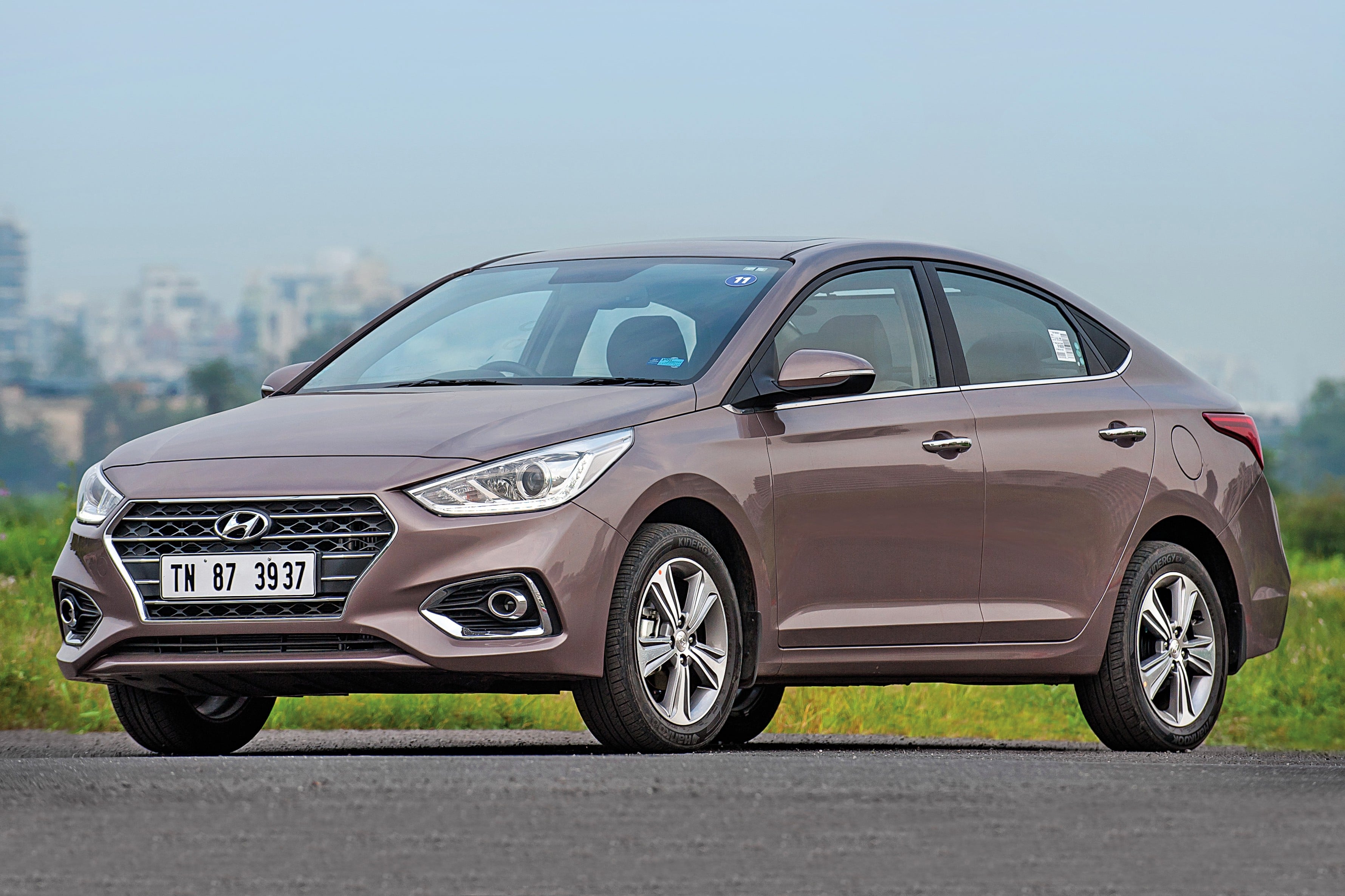
Underpinned by Hyundai’s newer K2 platform, the third-gen Verna was longer and wider than its Fluidic predecessor, and featured styling cues inspired by the larger and more upmarket Elantra. These included swept-back headlamps, L-shaped DRLs, an Audi-like hexagonal grille, and sleek tail-lamps. On the inside, the third-gen Verna yet again pushed the envelope with features like ventilated front seats (a segment-first), a sunroof, a 7-inch infotainment touchscreen, a 6-speaker sound system, cruise control, and more.
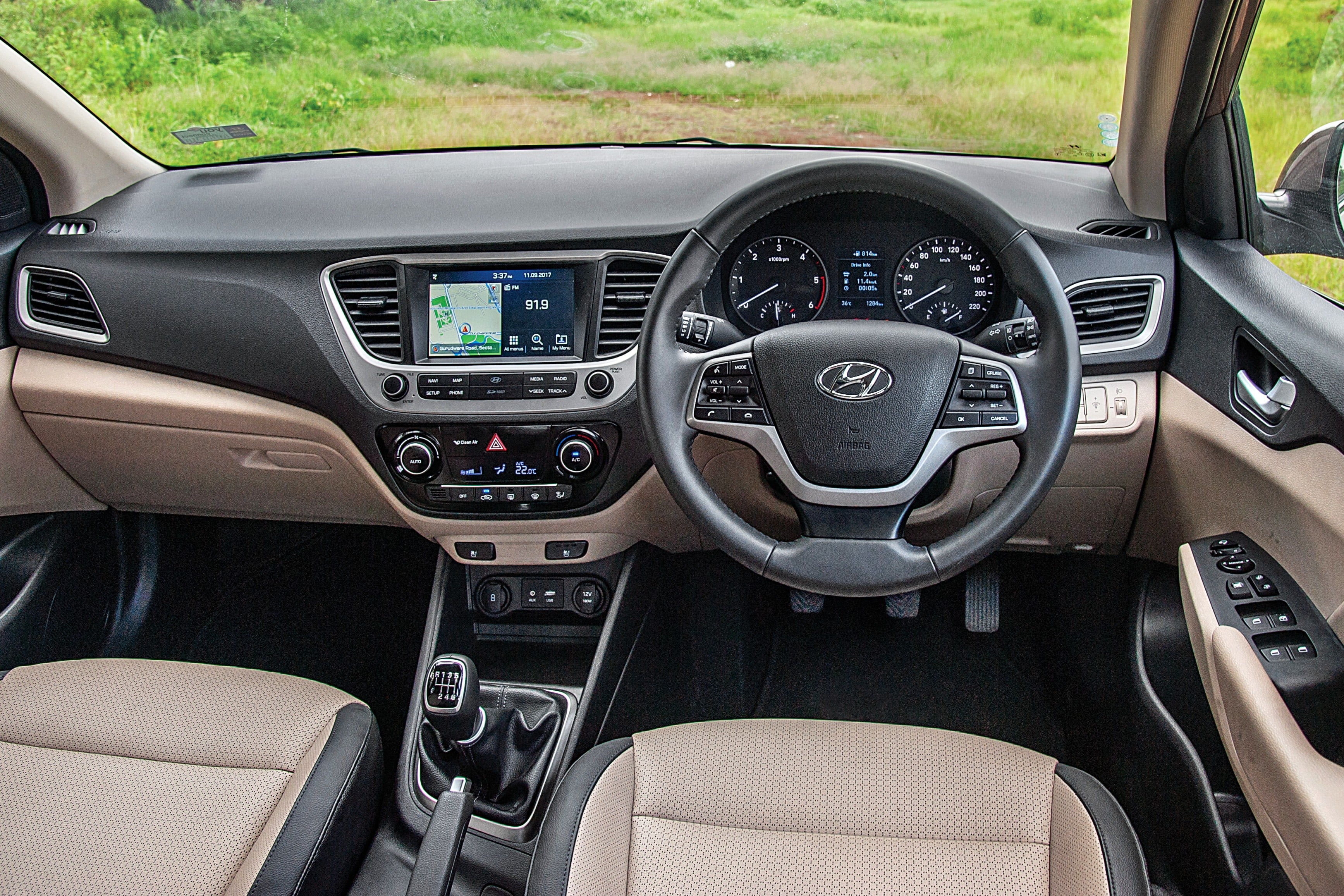
Engine options were simplified to just one per fuel type at launch: a 123hp 1.6-litre naturally aspirated petrol and a 128hp 1.6-litre diesel, both available with 6-speed manual and 6-speed torque converter automatic gearbox options. The third-gen Verna went on sale at a starting price of Rs 7.99 lakh, climbing to Rs 12.61 lakh at the top end.
2020 facelift
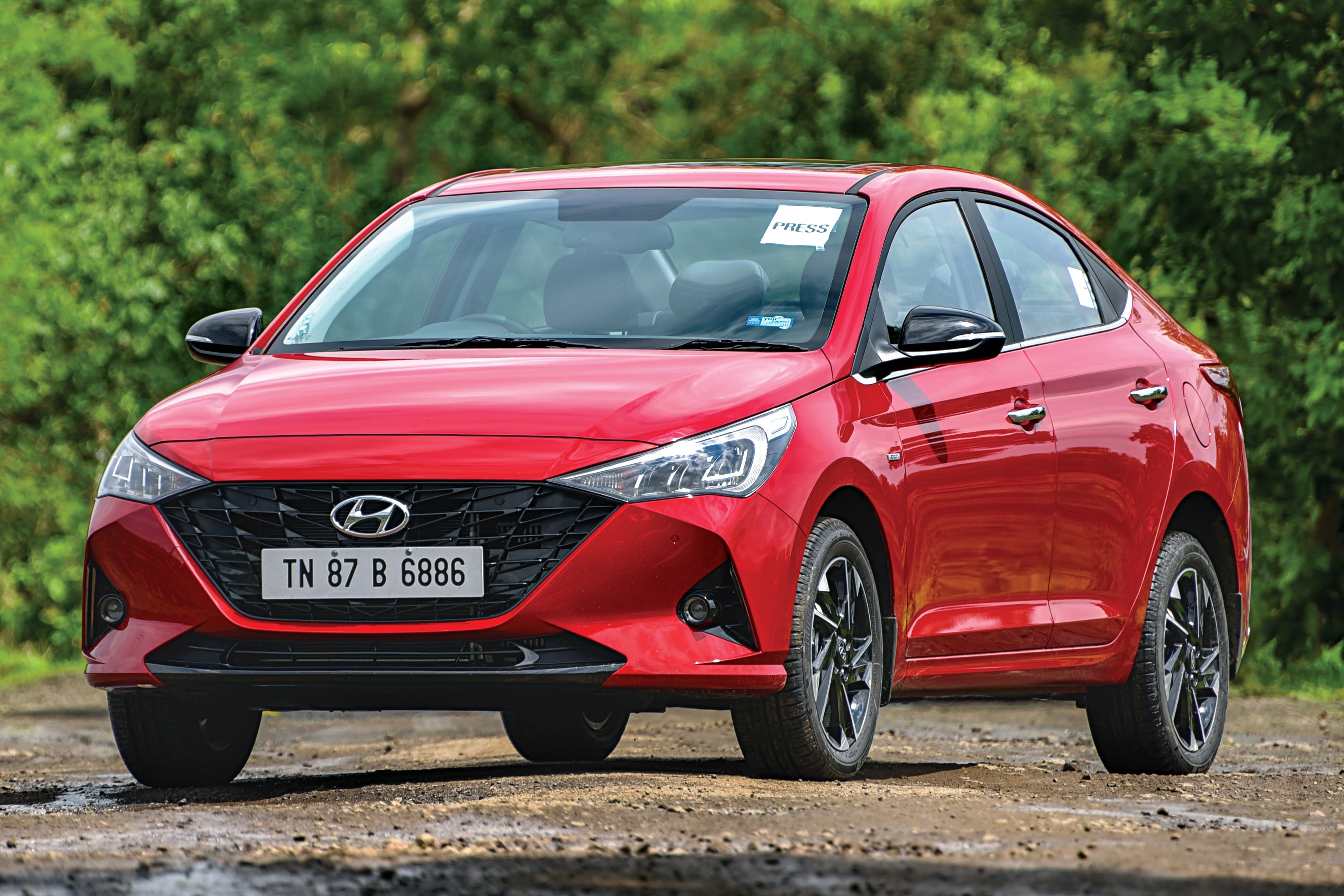
Hyundai launched a comprehensive facelift of the third-gen Verna in 2020, bringing compliance with Bharat Stage 6 emission norms by way of fresh 1.5-litre diesel and naturally aspirated petrol engines with manual and automatic gearboxes. This was also the first generation of the Verna to offer a turbo-petrol engine, specifically the 120hp 1.0-litre 3-cylinder direct-injection unit from the Venue, paired with a 7-speed dual-clutch automatic.
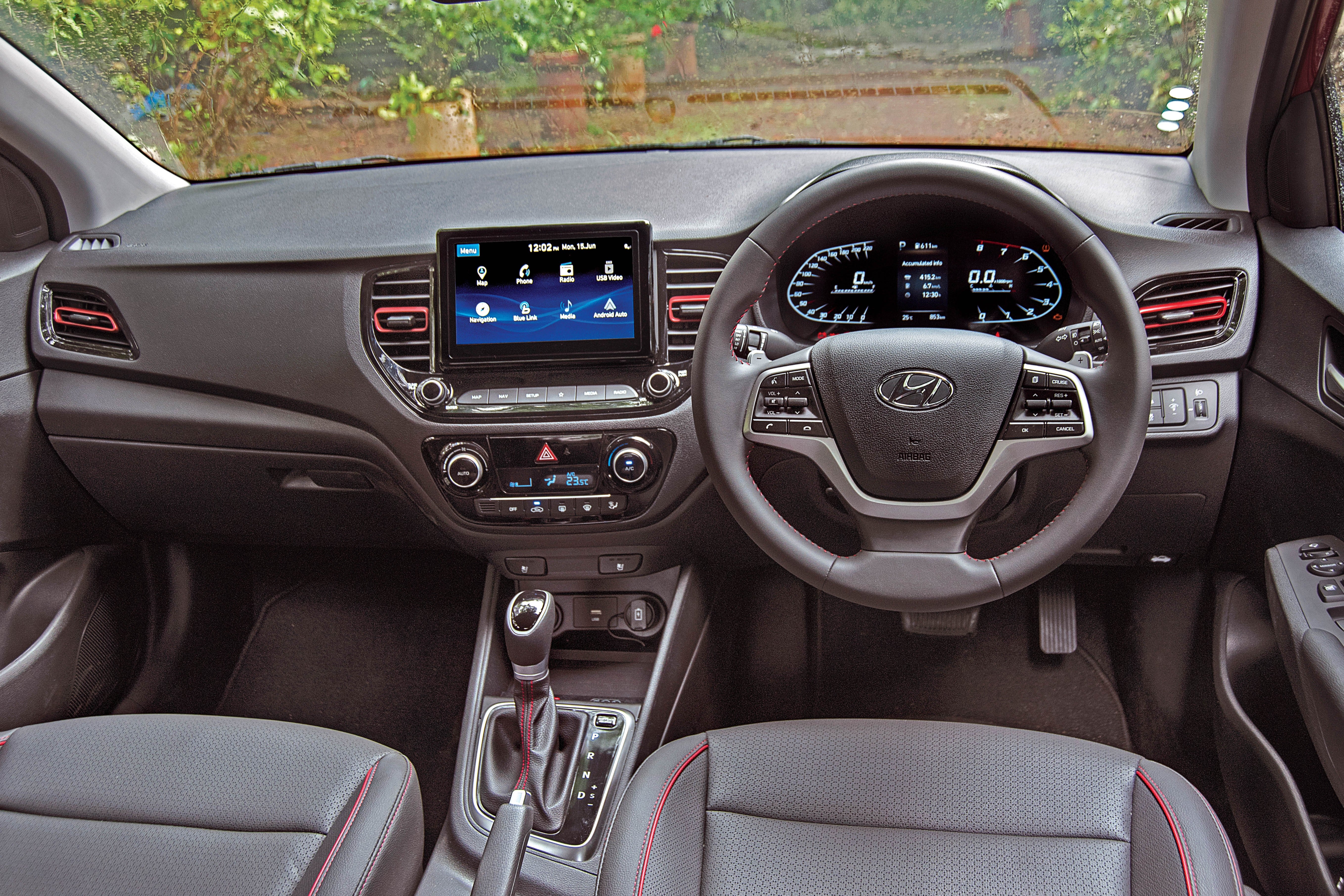
The 2020 Verna facelift also introduced significantly sharper styling changes, like a wider grille, larger headlamps, redesigned bumpers, new alloy wheels, and more. Inside, the midsize sedan saw upgrades like a larger 8-inch touchscreen, an Arkamys sound system, connected car tech, and a digital driver’s display. Pricing for the 2020 Verna facelift ranged from Rs 9.31 lakh to Rs 15.10 lakh – a considerable uptick over the prior model.
Fourth-gen Hyundai Verna (2023-present)
The one with the lightbar
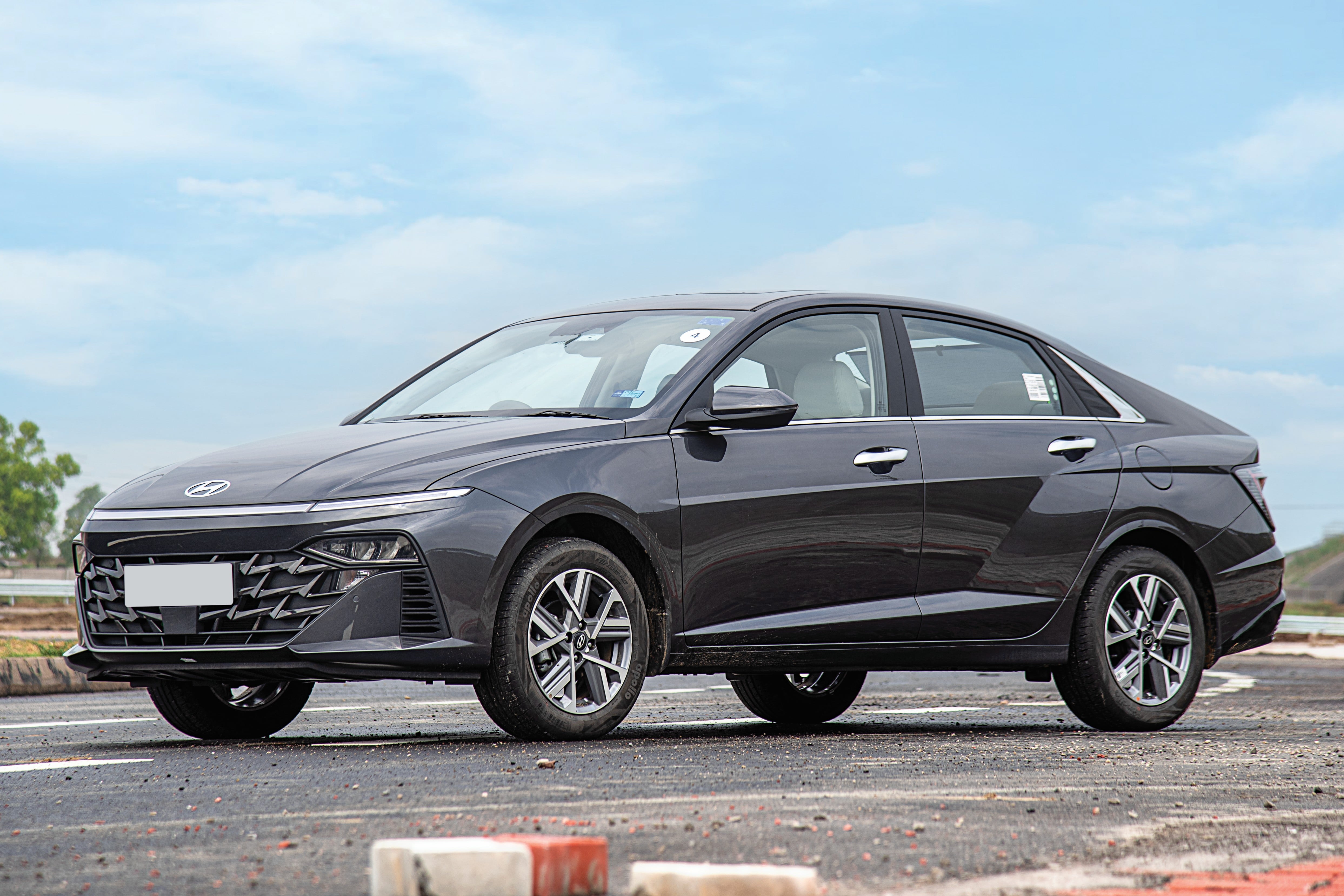
The current-gen Verna went on sale in India in 2023, and unlike its predecessors, the styling immediately split opinions. Hyundai’s ‘Sensuous Sportiness’ design language introduced a split-headlamp setup with a full-width LED light bar on the fourth-gen Verna’s front end, lots of cuts and creases all around the bodywork, a sloping fastback-esque roofline, and connected LED tail-lamps. Another point of contention was the absence of a diesel engine in the line-up – a first for the Verna.
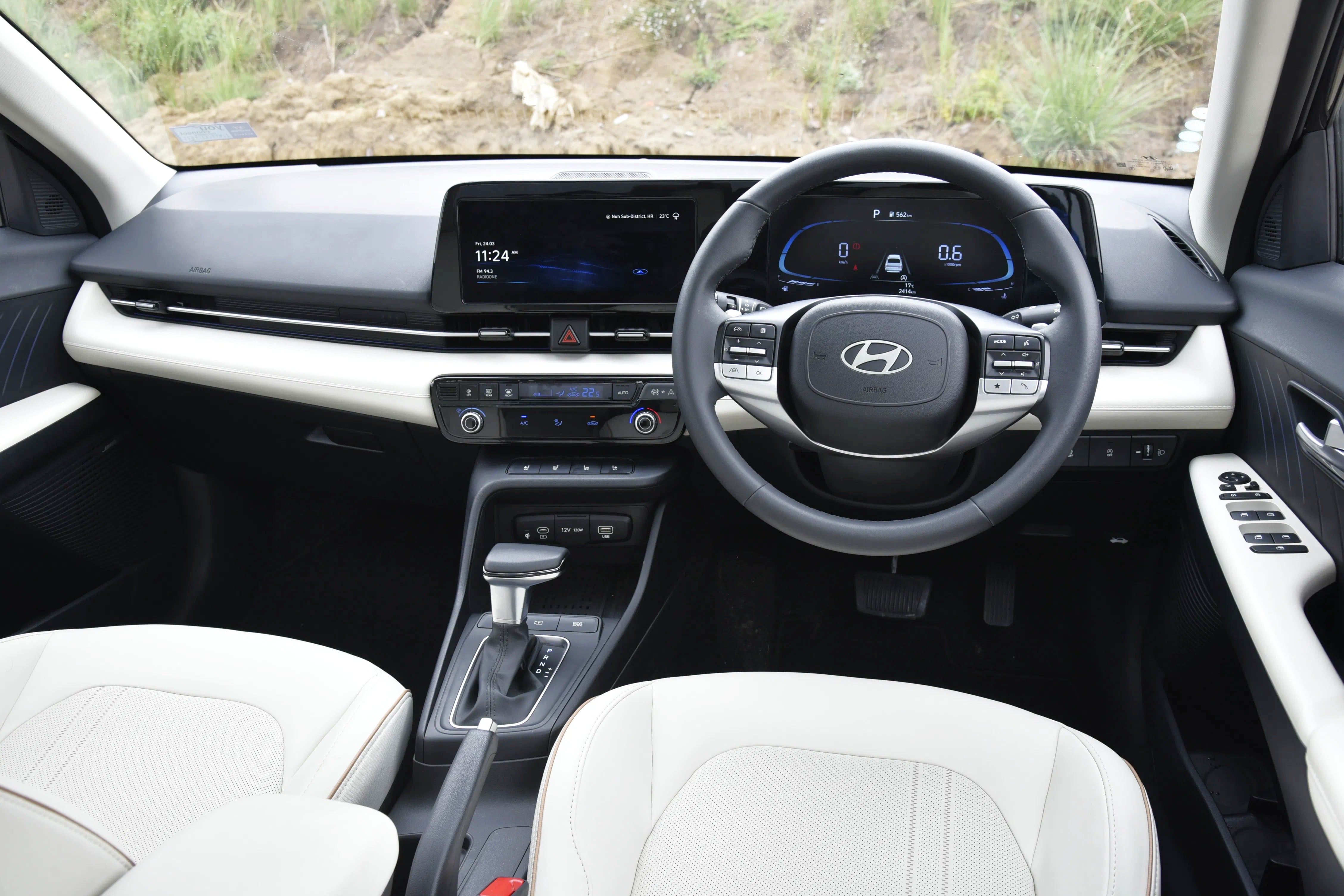
Only two petrol engines are available for the fourth-gen Verna, particularly a 115hp 1.5-litre naturally aspirated and a 160hp 1.5-litre direct-injection turbo-petrol unit. Both engines get a 6-speed manual as standard, with the naturally aspirated motor additionally offering a CVT and the turbo-petrol a 7-speed dual-clutch automatic. On the inside, though, the fourth-gen Verna has an impressively clean and contemporary layout, equipped with segment-first features like heated front seats, Level 2 ADAS, and an 8-speaker Bose sound system.
2026 facelift
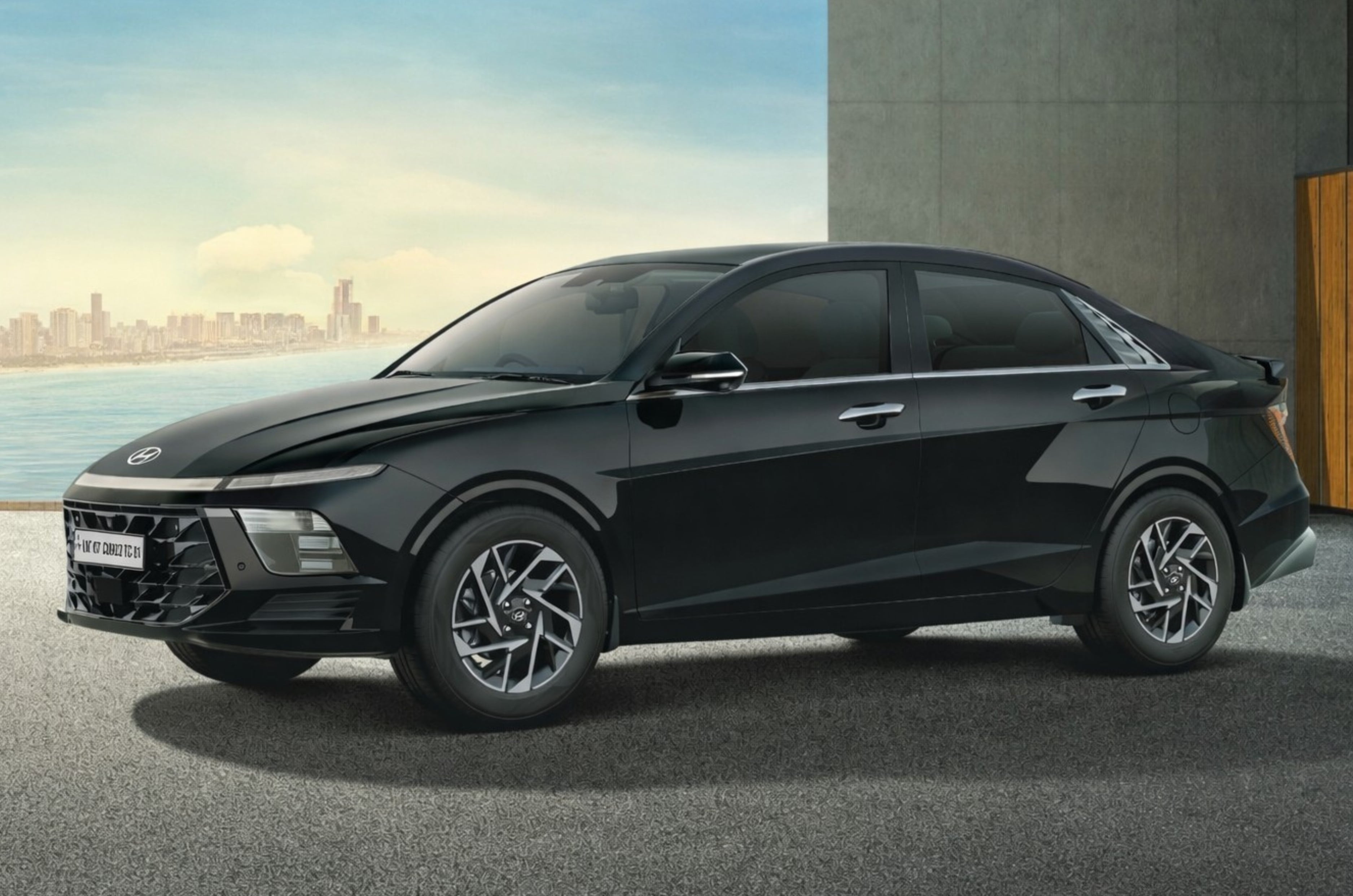
Most recently, Hyundai launched a facelift of the fourth-gen Verna. Styling updates were limited to revised bumpers and fresh alloy wheel designs, while the interior got a new three-spoke steering wheel, a 10.25-inch full-digital instrument cluster, and additional segment-first features like Boss mode, a 360-degree camera, and 7 airbags. Powertrains remain unchanged, and prices start at Rs 10.99 lakh and extend all the way up to Rs 18.31 lakh.
All prices are ex-showroom, India.


