
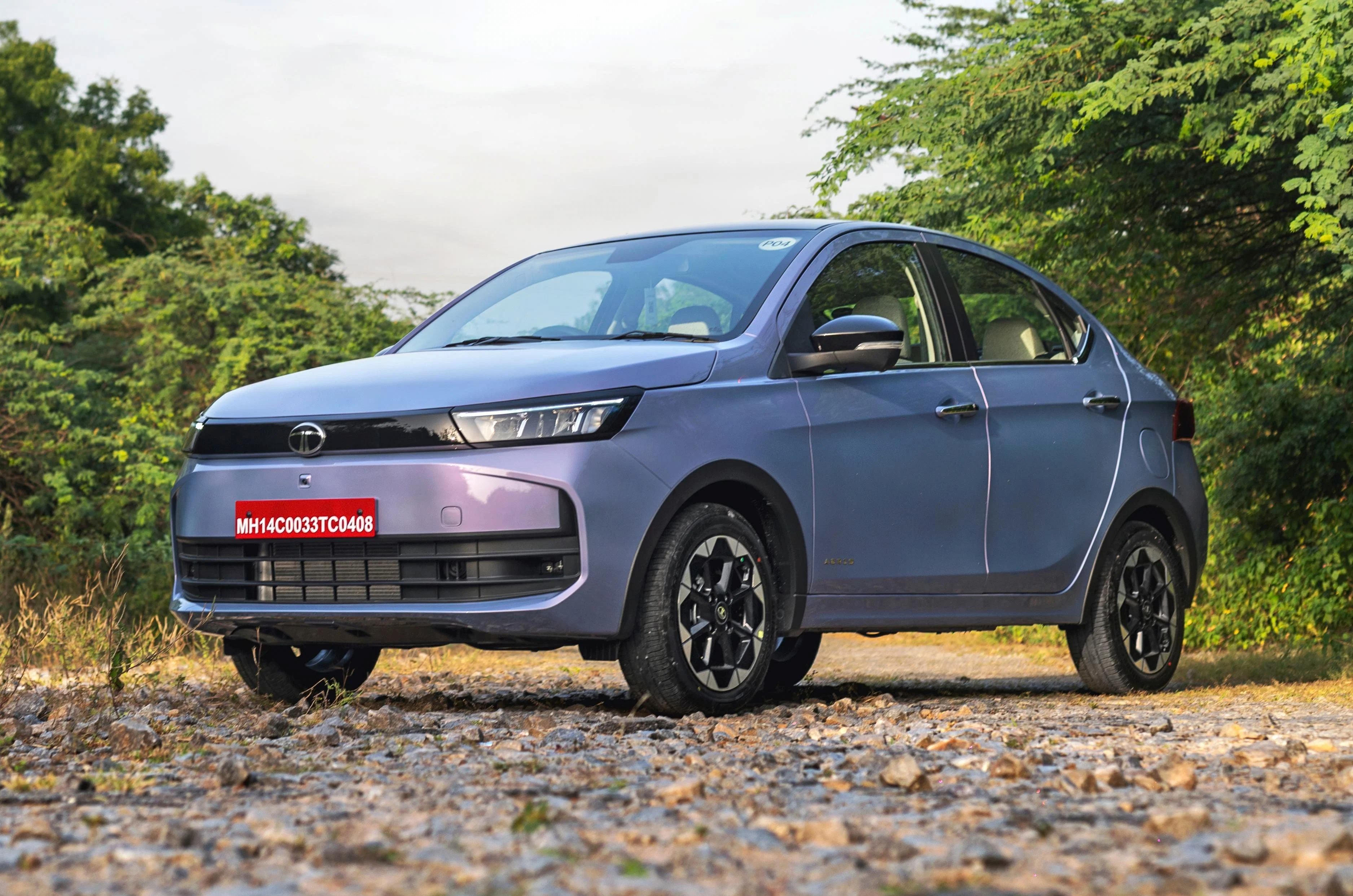
Tata has introduced the Aeris as a successor to the Tigor to strengthen its presence in the compact sedan segment. Apart from a new name, the Aeris is a heavily updated version of the discontinued Tigor, with sheet metal updates, a revamped cabin, and feature additions. If you’re considering buying the Aeris, we list two reasons to go for it and two reasons to look elsewhere based on our experience behind the wheel.
Spacious and well-equipped interior
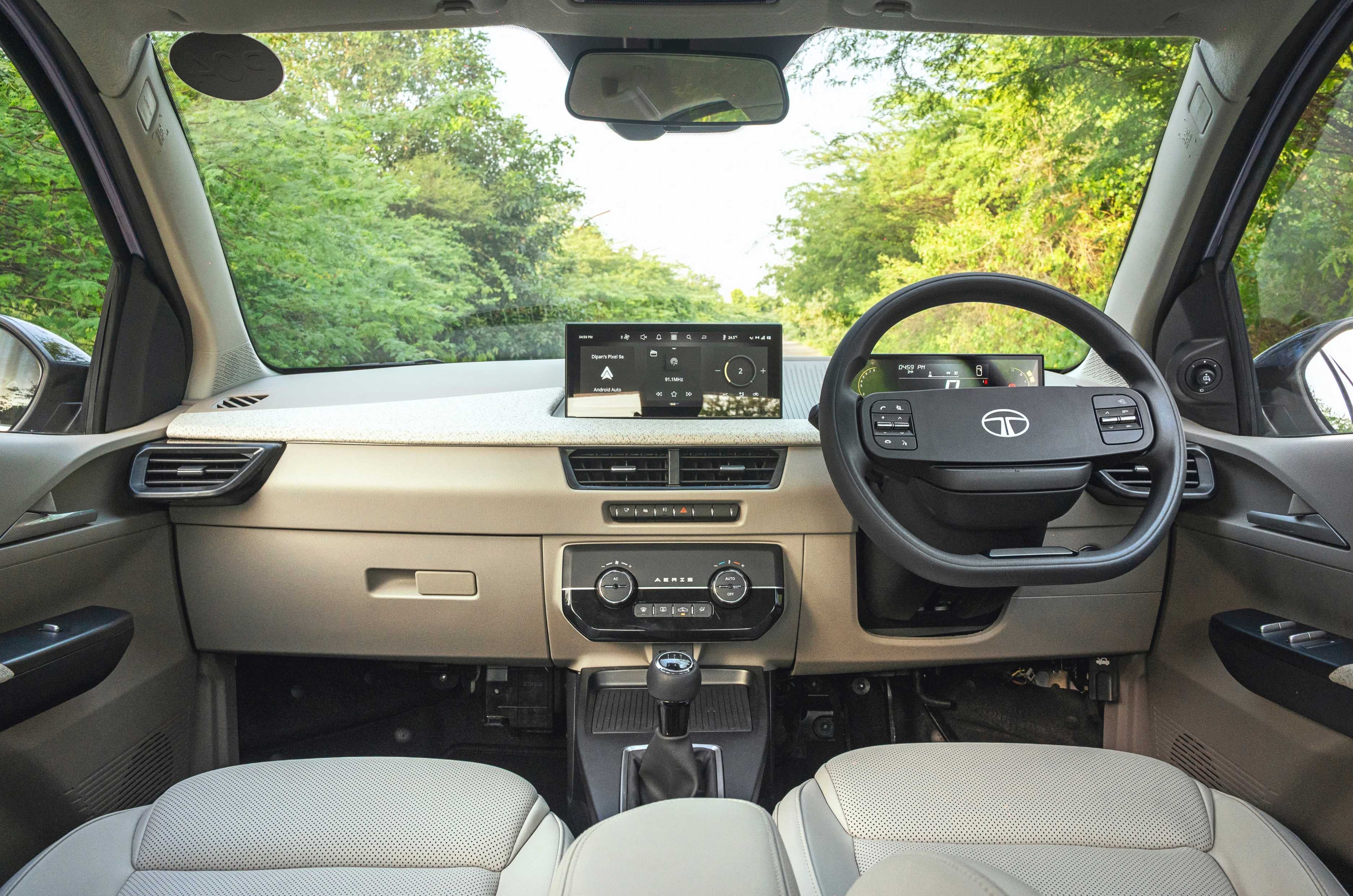
The Aeris’ cabin is well laid out; the beige theme gives it an airy feel, while the fabric trim on the dashboard adds a premium touch. You get a plethora of physical buttons, which have a solid feel, and floating door handles from the Sierra, which have a sturdy build. Space at the back is plenty, with good legroom, knee room, adequate thigh support and comfortable seat cushioning. The boot at 419 litres is the largest in its segment. Additionally, the boot lid uses gas struts for its opening for more usable space, unlike rivals that use a hinge mechanism.
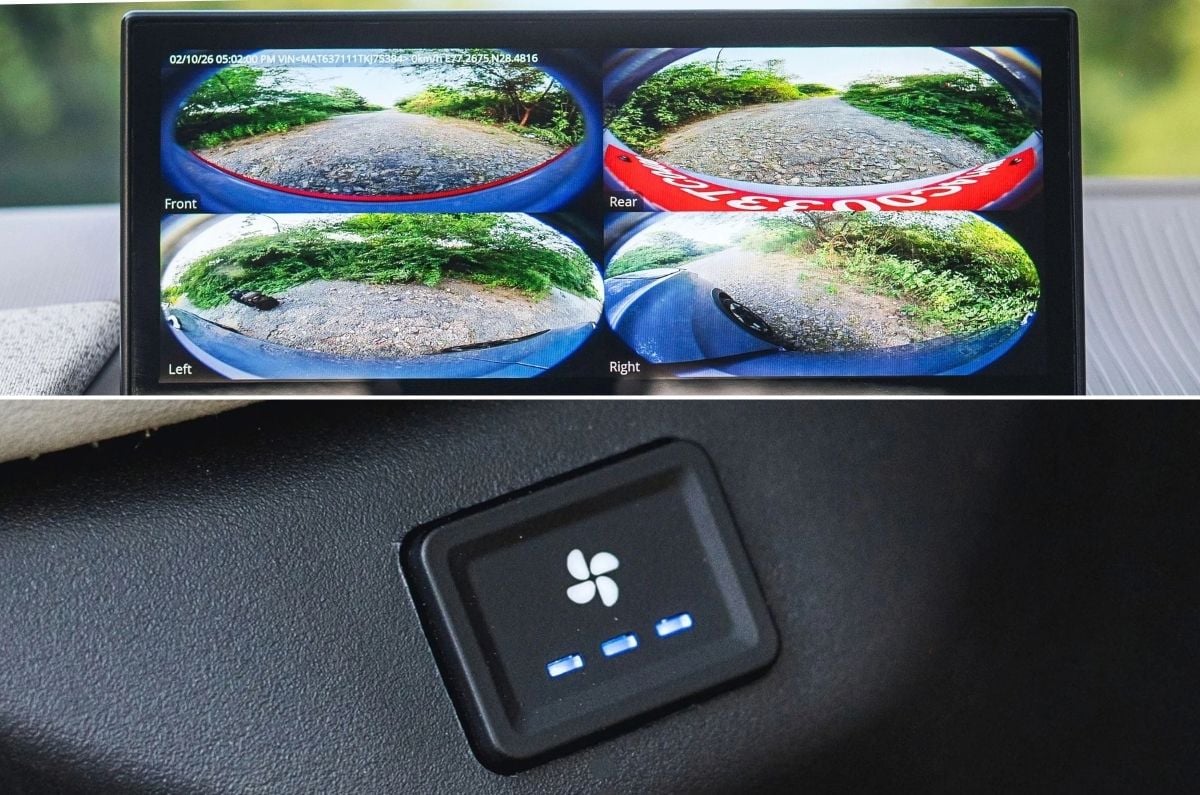
Equipment levels of the Aeris are among the best in its segment. It’s the only model to come with front seat ventilation and a dashcam recording. Additionally, it packs a 10.25-inch infotainment system with Apple CarPlay and Android Auto, a 360-degree camera, and blind spot monitoring.
Plush ride quality
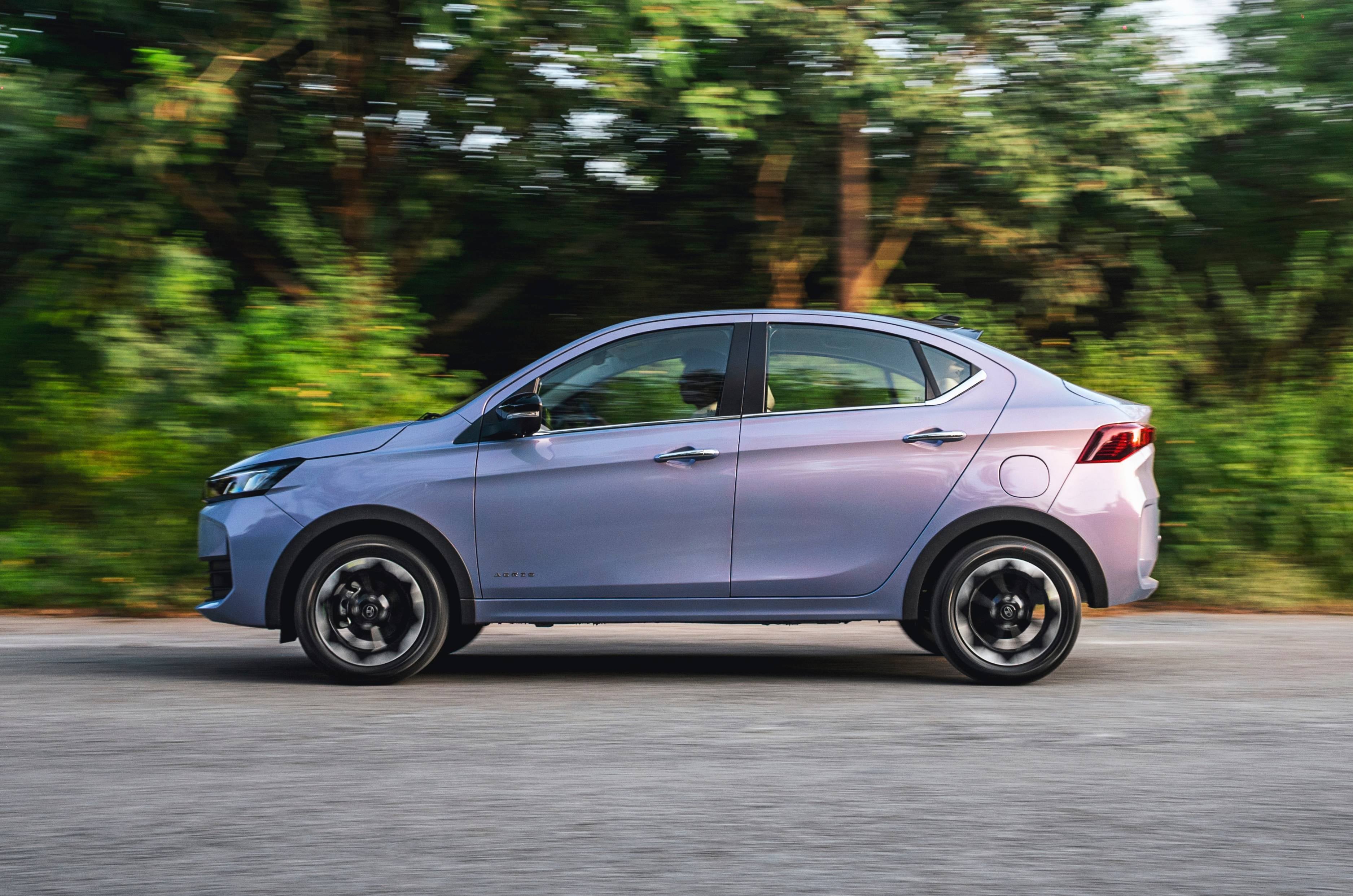
Like other Tata models, the Aeris is well judged in terms of ride and handling. Ride comfort is supple over broken roads, as its suspension does a great job of absorbing bumps. Additionally, its high 170mm ground clearance helps it clear large speed breakers with ease. At higher speeds, its suspension is stiff enough to maintain its stability even during quick lane changes.
Reasons not to buy the Aeris petrol
Lacklustre engine and gearbox
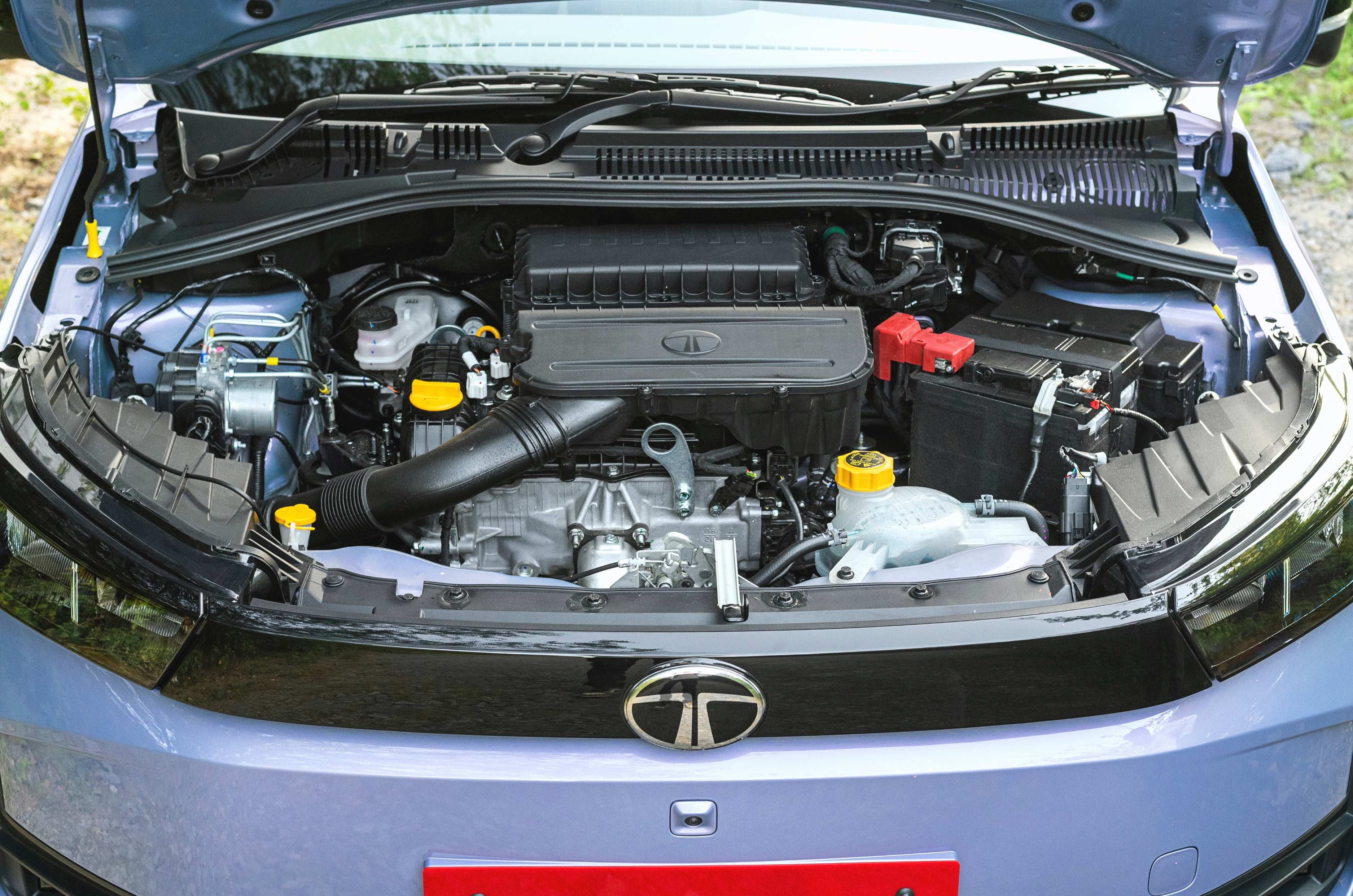
Powering the Aeris petrol is a 1.2-litre, 3-cylinder, naturally aspirated unit producing 86hp and 113Nm. Overall, the engine lacks the smoothness that rivals offer, and it lacks grunt out on the highway, taking time to reach triple-digit speeds. Shifts feel jerky with the AMT, while manual versions lack the slickness that competitors from Honda, Hyundai and Maruti provide.
Poor NVH levels
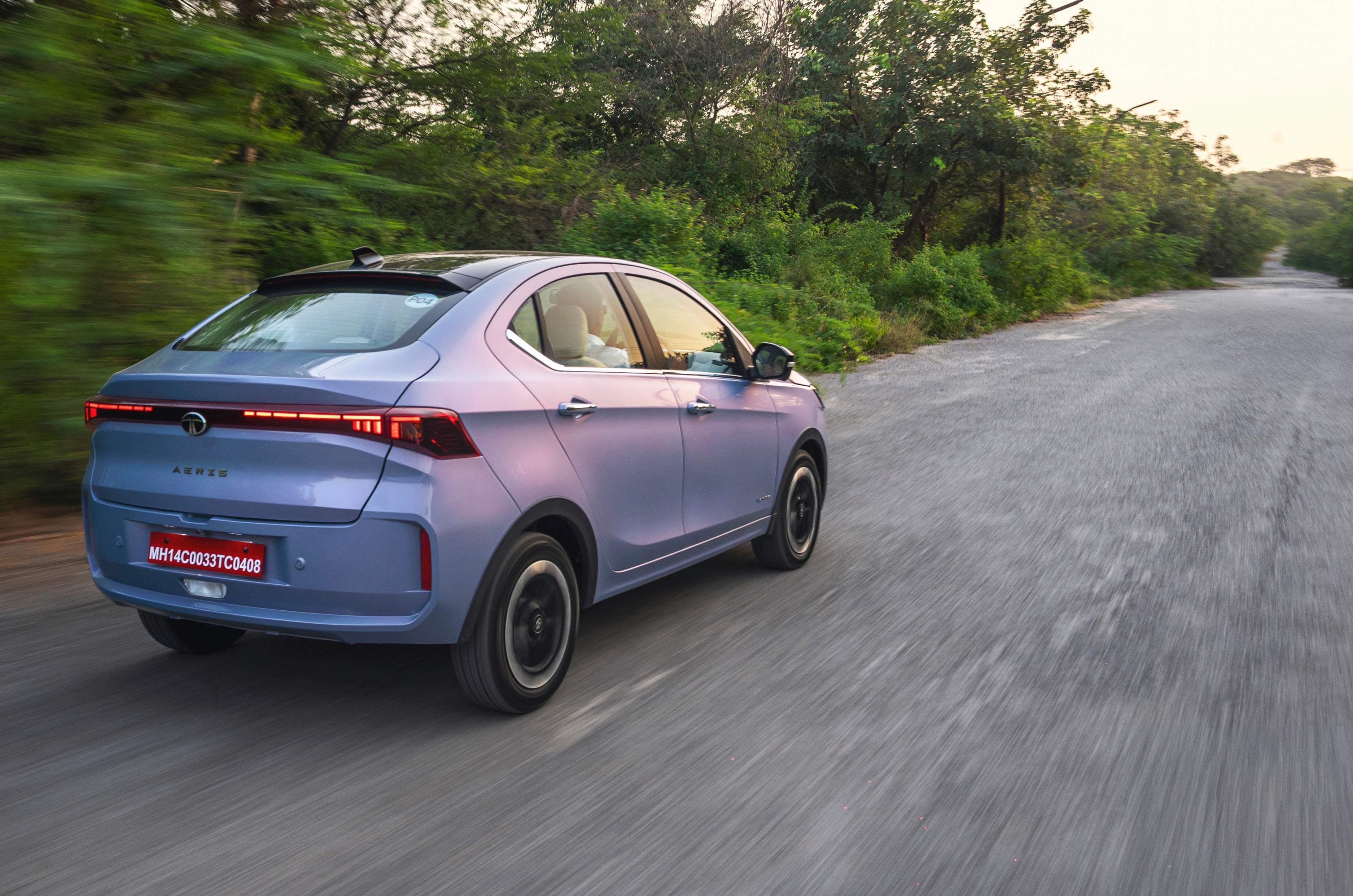
Apart from the not-so-smooth operation, the Aeris’ petrol unit is quite noisy. Vibrations filter through the cabin at idle and low speeds, and the gruff engine note causes discomfort over time. Additionally, as speeds rise, engine vibrations get much louder, and wind and road noise become more audible. This hinders the overall driving experience when out on the highway.


