
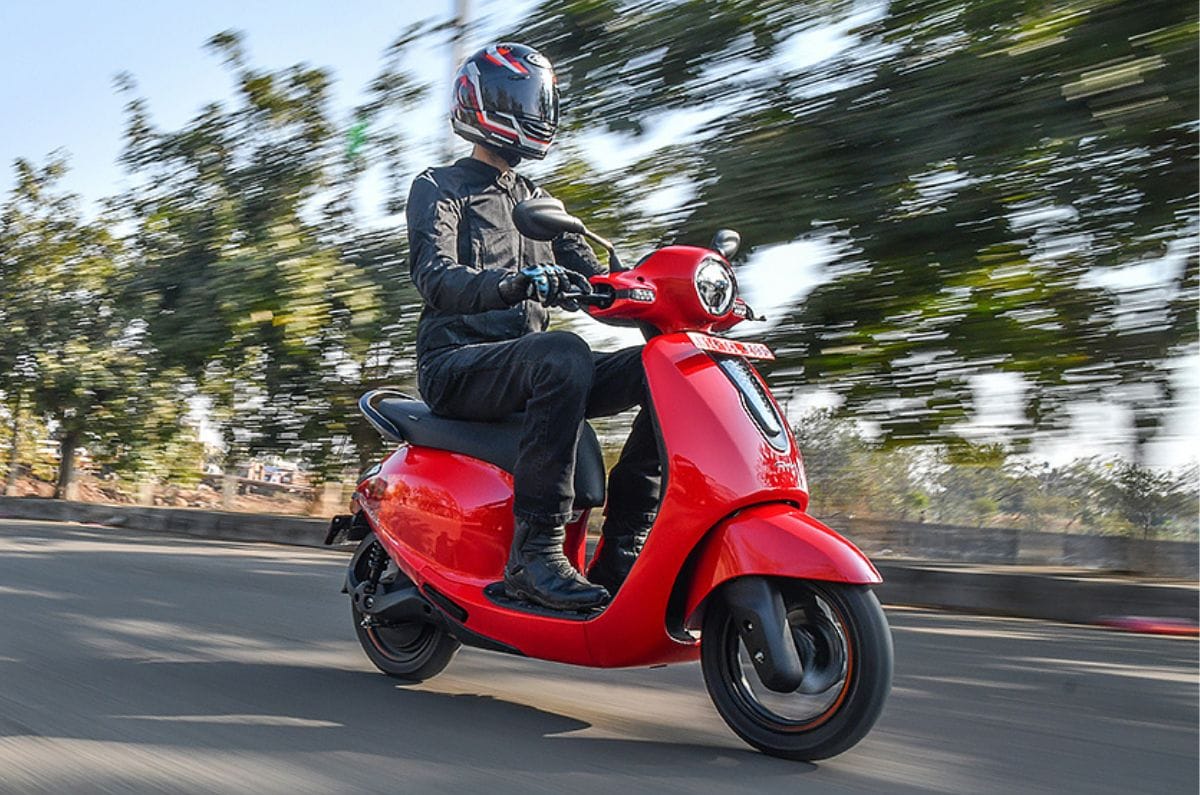
The new Bajaj Chetak C25 is much more than just a new entry-level variant. This scooter is based on a new architecture and has been designed to take on a new role - one of being compact, lightweight and friendly for newer or smaller riders.
Bajaj Chetak C25 design and quality 8/10
A new design, but instantly identifiable
While there is a new chassis underneath, Bajaj’s design department has done a good job of retaining the Chetak’s design language in this new product. That being said, every panel has been redesigned and the bigger visual changes are at the side and rear. There are also new LED lamps at both ends.
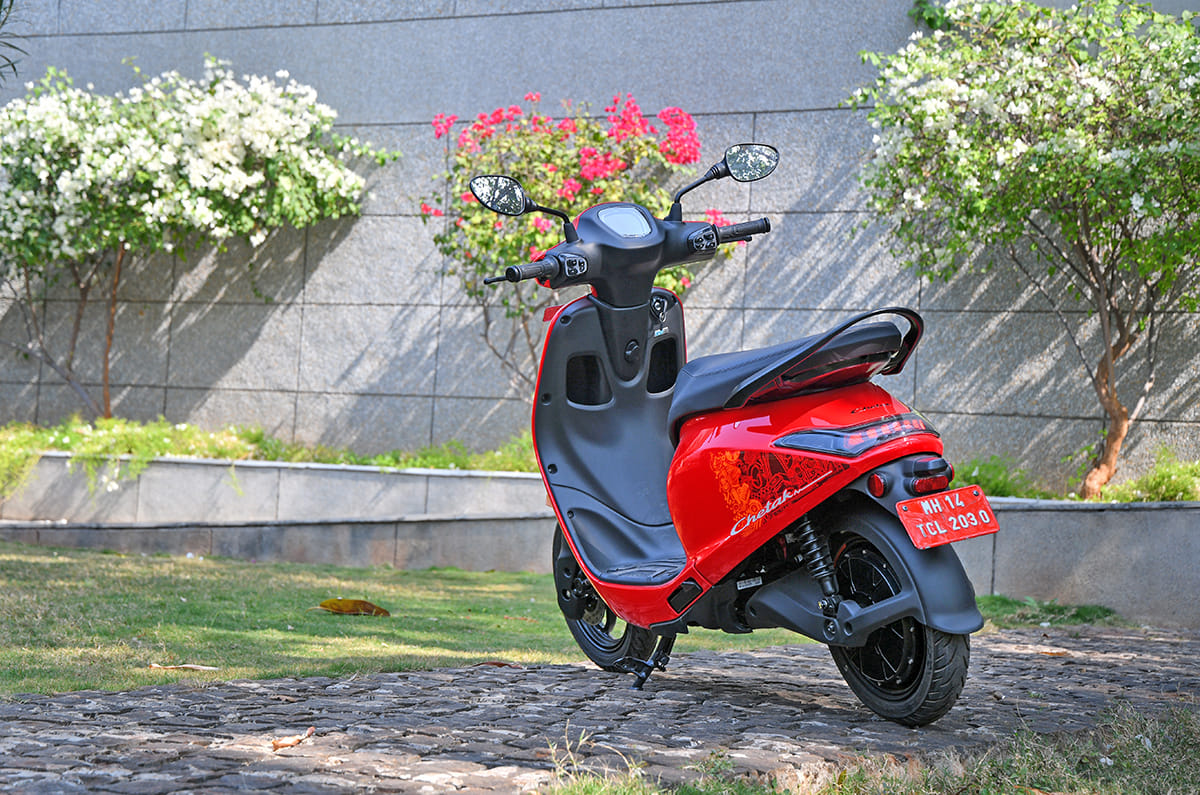
Facing the rider is a new reverse LCD display. This is a fairly simple display, but it shows you the essentials like battery SOC, range, speed, riding mode and more. It’s also easy to read in bright sunlight and is controlled by new switchgear that is logical and straightforward to use. There are also small conveniences like two open storage cubbies in the front apron as well as a bag hook.
With this new platform, Bajaj has carved off over 100mm worth of wheelbase and that has reduced the under seat storage capacity from 35-litres on the current Chetak models to 25-litres here. The good news is that this space is quite deep and the C25 is one of the few scooters that will fit a large full face helmet in its boot.

Overall quality levels are quite good aside from an uneven panel gap where the painted plastics meet the black plastics near the handlebar. Beyond this, the scooter feels well finished and you don’t get a sense that quality has been compromised to meet a price point.
Bajaj Chetak performance and refinement 7/10
Low top speed but usable acceleration
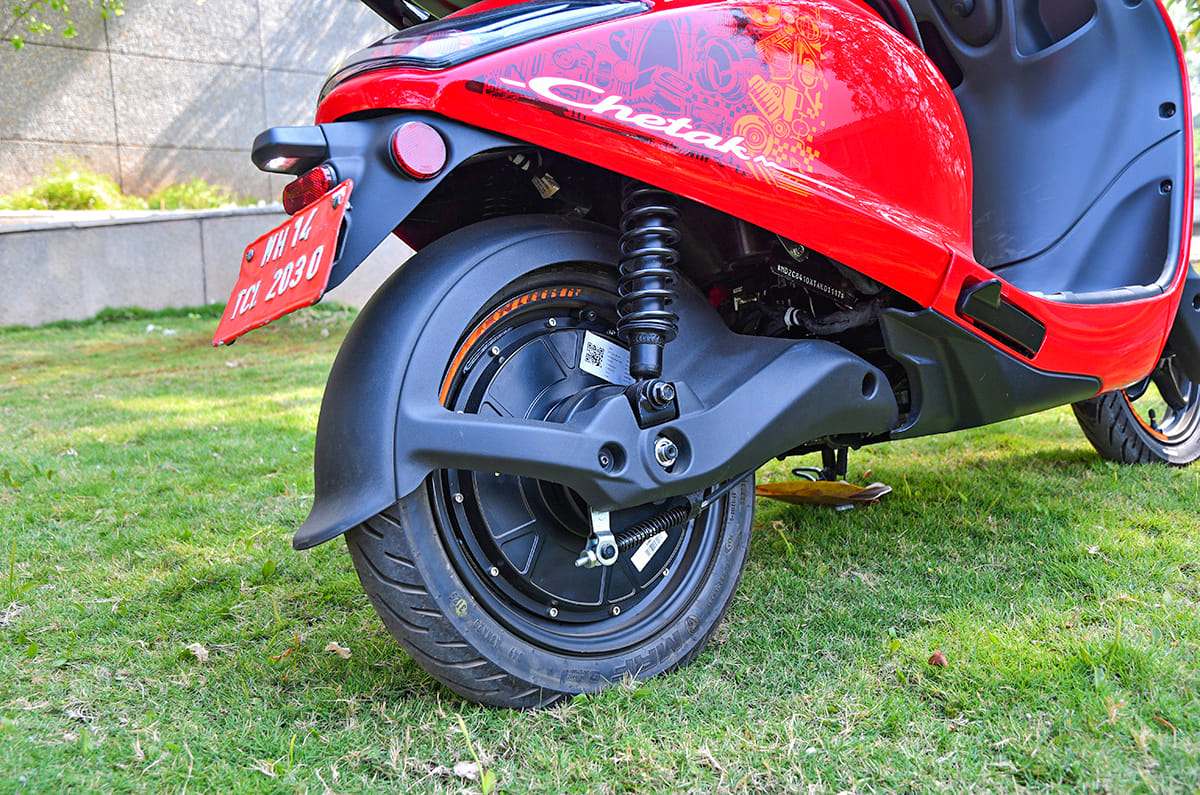
On paper, the new Chetak C25’s performance can be called modest at best, if not disappointing. Its new hub motor produces a peak output of 2.2kW (1.8kW continuous) and top speed is just 55kph. The good news is that Bajaj has ensured that the C25 still accelerates well and that it is responsive enough to keep pace with city traffic.
The scooter comes with two modes, Eco and Sport. There’s not a huge difference between them but you can tell that the response in Eco is dulled down and it also caps top speed to 45kph. Eco isn’t unusable, but Sport is decidedly nicer and the C25 accelerates briskly up to an indicated 50kph in this mode. Keep the accelerator pinned and you will eventually see around 62-63kph on the display. The scooter also climbs flyovers without any stress - although we’ll have to check how well it does this with a pillion on board.
Accelerator calibration is smooth and well executed. The accelerator itself has a light feel and a pleasantly short travel so you don’t need to make exaggerated twisting motions every time you need some acceleration. Like with most hub motor-equipped scooters, this Chetak is nearly silent in its operation and you’ll be able to hear a slight high frequency whine only when you really look for it.
The one oddity I noticed was that there is a slight pause in the power delivery when riding over potholes with the accelerator open. It feels like a traction control intrusion, but the C2501 doesn’t have that feature. There was also a slight delay in resuming the acceleration if you make a single brake input. Thankfully, unlike most low cost EVs, the C25 does not deactivate the accelerator when you lightly apply the brakes while filtering through traffic.
Bajaj Chetak C2501 range and battery 7/10
A 2.5kWh pack and a claimed range of 113km
The new Chetak C25 comes with a 2.5kWh battery and packs a claimed IDC range of 113km. Bajaj tells us that customers should achieve a real world range of around 90km and after our test ride was over, the scooter’s display suggested that we should have been on track to get something similar. However, we’ll reserve judgement on this until we can properly test the scooter.
| Specifications | Values |
|---|---|
| Max Motor Power | 2.2 kW |
| Motor Type | Hub Motor |
What we can tell you now is that the scooter should shift into Eco mode once you drop down to about 15 percent battery charge. Unlike the bigger Chetak’s, there is no onboard charger, but Bajaj supplies a powerful 750 watt portable charger that they say should result in a 0-100 percent charge within 3hr 45min.
The charging port is situated under the seat and there is a small groove through which the cable can be routed, which means that the scooter can be charged with the boot locked.
Bajaj Chetak C2501 suspension comfort and handling 7/10
Light and easy to ride
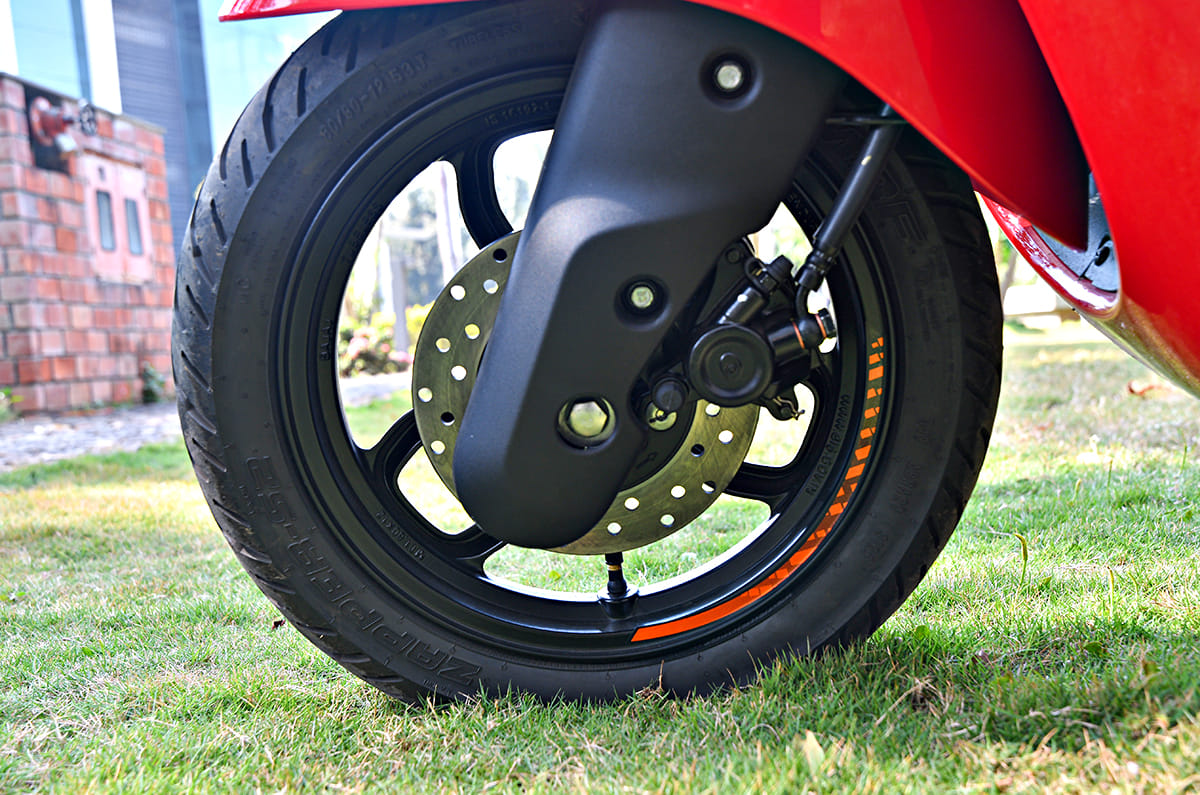
With this new platform, the new C25 electric scooter gets a new suspension set up with a telescopic fork at the front and dual rear shock absorbers. It weighs 108kg, which is over 20kg lighter than the existing Chetaks, but continues to use metal for the main body panels (the front fender and headlamp shroud are plastic).
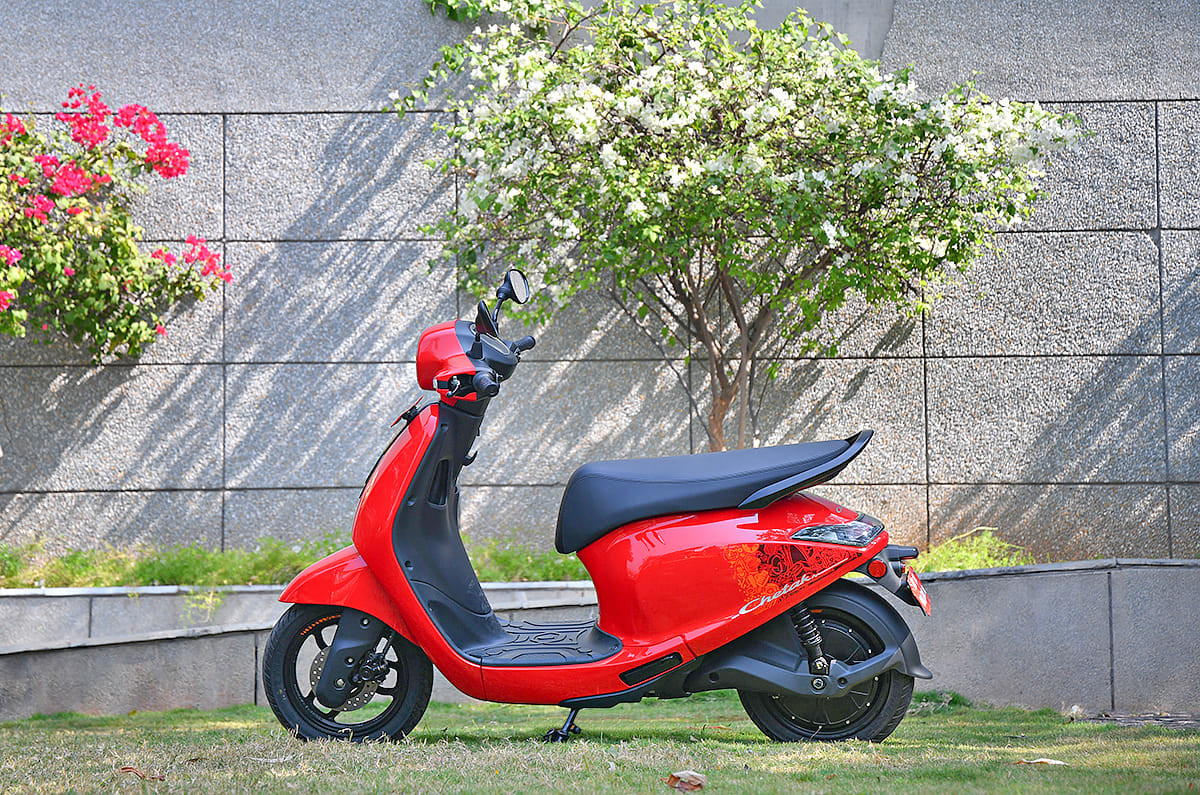
The big weight reduction comes largely from the fact that this is a compact scooter. The seat height is just 763mm, which is great for short riders although I managed to fit on it better than expected. The seat is comfortable and there was room ahead of my knees, although I did have to get them out of the way while taking lock to lock turns. Granted at 6’1”, I do look a little comical on the scooter, but I do fit on it and Bajaj has done a good job with the ergonomics in that regard. It is a tight fit for two large riders to fit together, but it can be done without things getting too cozy, at least for short distances.
| Specifications | Values |
|---|---|
| Kerb Weight | 108 kg |
| Seat height | 763 mm |
| Ground Clearance | 170 mm |
Suspension comfort is nice and pliant at the rear with the dual shocks soaking in bumps and potholes well. The front feels a little too soft on bigger impacts and it tends to make a thudding sound if you hit a sharp bump. It’s not terrible, but the noise will encourage you to be more cautious over bad roads and this is an area that can improve.
It's nice to see Bajaj equip this scooter with a front disc brake and the scooter slows down well.
Bajaj Chetak C2501 price and features 9/10
Well thought-out features and a good price
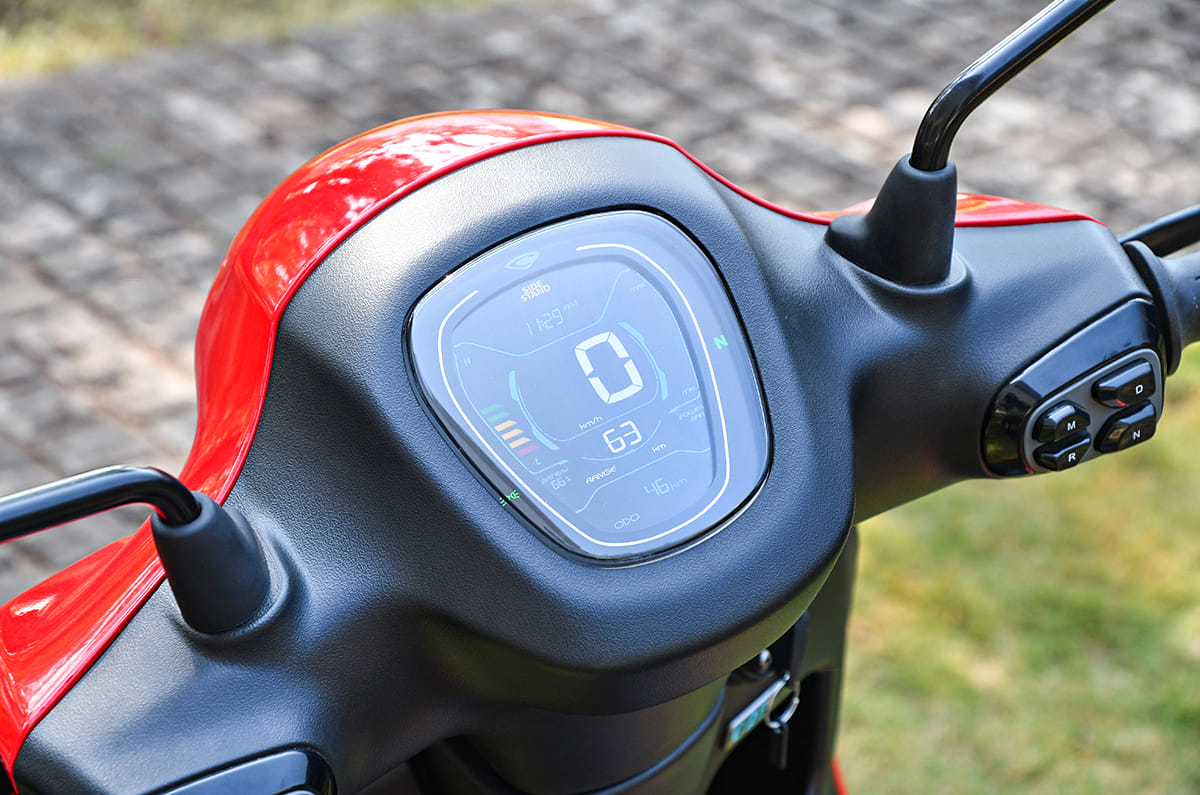
The Chetak C2501 comes with LED lighting, a reverse mode, a remote boot opening function and a parking brake lock clasp as standard. It also features Bluetooth connectivity with call and music control (but no turn by turn navigation), Hill Hold and the earlier mentioned two riding modes. However, there's a catch because all these features are enabled by the TecPac which is an optional extra. Thankfully this is a one time charge of Rs 3,000 and we’d strongly recommend that you go for it because the top speed will be limited to just 45kph without Sport mode.
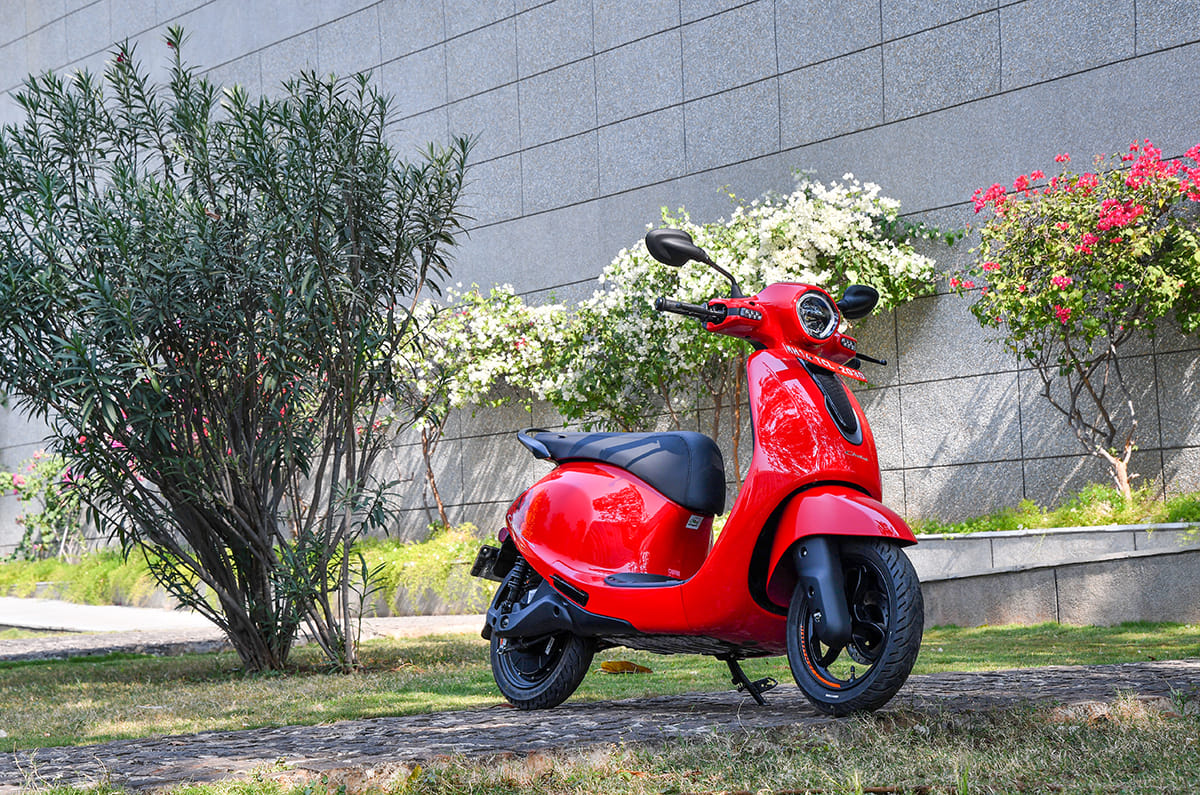
Still, even with the TecPac included, the C2501 will cost Rs 94,399, which is on par with the Vida VX2 Go 2.2 (which has more performance but less range) and is a good deal lower than the TVS iQube 2.2.
If you have a longer commute, especially at higher speeds in a big city, then you you will want something with more performance, But for anyone who needs a simple, well-made EV for shorter commutes, the new C25 will be quite appealing and it makes for a good addition to the Chetak family.


