
Mercedes-Benz, one of the oldest and most eminent brands in the global auto industry, traces its roots to the very birth of the automobile. 2026 marks 140 years since the inception of Mercedes-Benz, so let's delve into the German marque’s history, including its early days, most notable innovations, key business developments, motorsport involvement, and presence in India.
When it all began: 1886-1890
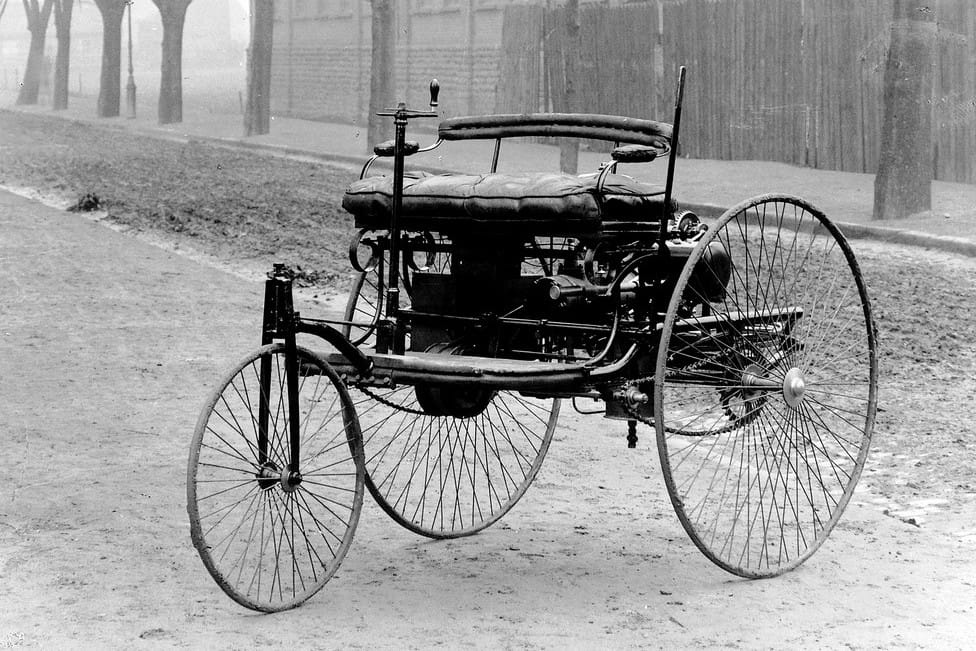
In January 1886, German engineer Carl Benz patented his three-wheeled Patent-Motorwagen, the first petrol-powered car, powered by a 0.68hp single-cylinder 4-stroke engine. Benz’s invention came after he enjoyed a successful run at an industrial machine production company dubbed Benz & Companie Rheinische Gasmotoren-Fabrik, or Benz & Cie in short.
July 3, 1886 saw Benz carry out the first successful public road tests of the Motorwagen, with the car reaching a top speed of just 16kph. That same year, independently of Benz’s Motorwagen, German engineers Gottlieb Daimler and Wilhelm Maybach fitted a 1.1hp petrol engine to a stagecoach with a rear belt drive – effectively producing the world’s first four-wheeled RWD automobile.
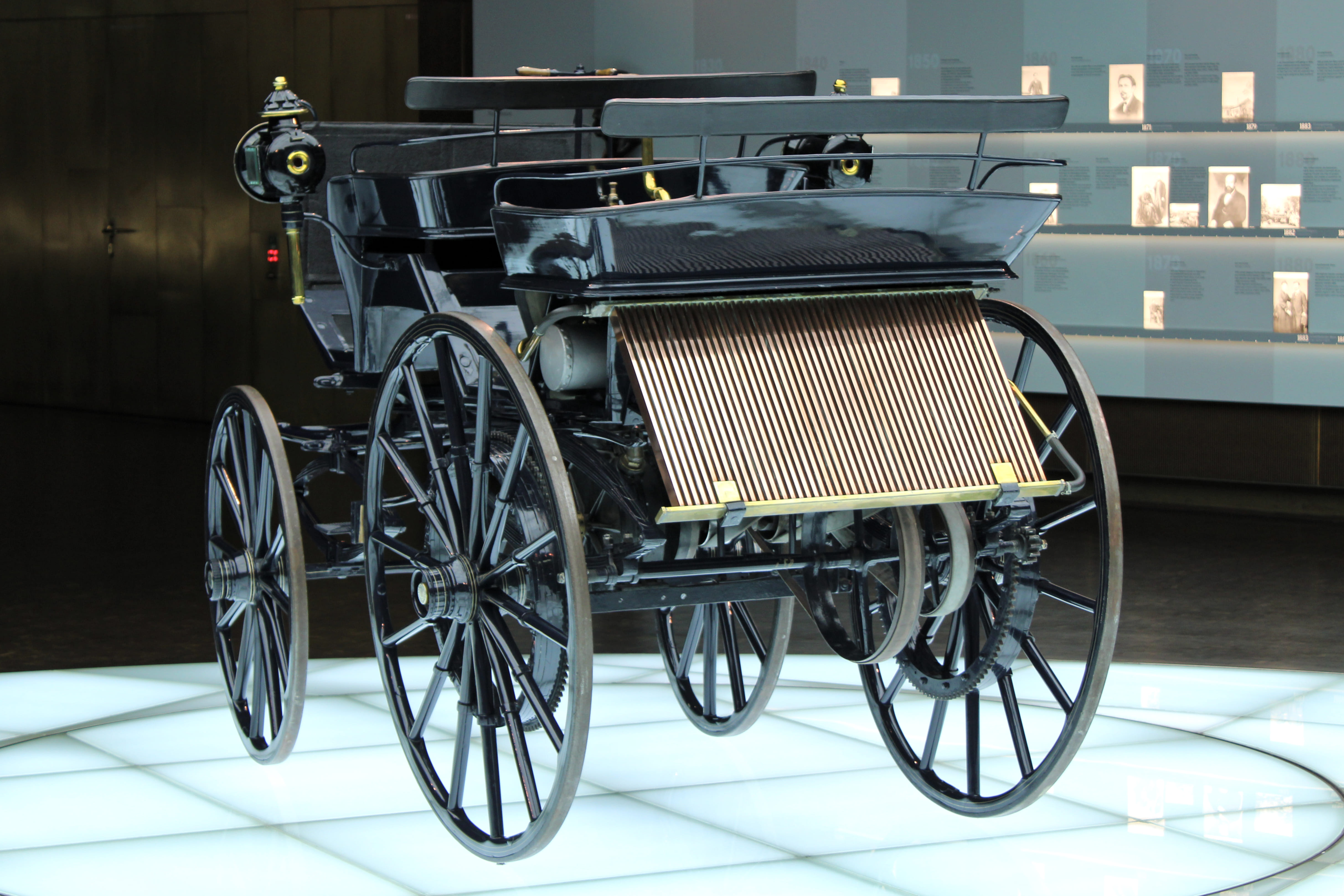
Daimler went on to use this 1.1hp engine in several modes of transport, including motorboats, street trolleys, and even airships. In cahoots with Maybach, Daimler also founded automotive manufacturing company Daimler-Motoren-Gesellschaft (DMG) in 1890. Benz, meanwhile, started selling the Motorwagen in summer 1888 via Benz & Cie, and built more iterations over the years. Interestingly, DMG and Benz & Cie competed on the racing front too, with the former often winning.
The birth of Mercedes: 1900-1902
DMG’s pedigree in engines and racing caught the attention of affluent Austrian businessman Emil Jellinek, who contracted the company to build a new 35hp 4-cylinder engine dubbed ‘Daimler-Mercedes’ in 1900. Mercedes was the nickname of Jellinek’s daughter Adriana, with the moniker also used for his racing team and cars.
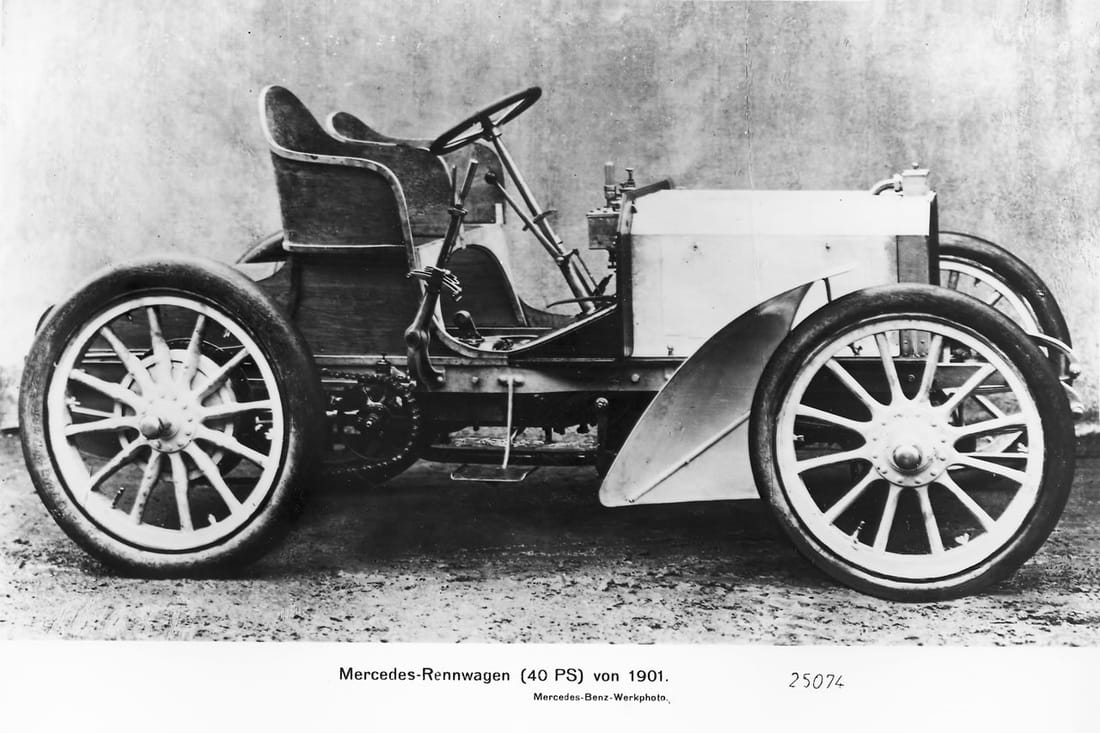
After some turbulent initial attempts, the Mercedes 35 hp race cars dominated the motorsport scene in 1901 thanks to longer and wider proportions with lower centres of gravity. DMG added a pair of rear seats to the Mercedes 35 hp that year, and it turned out very successful as a family car.
So much so, that ‘Mercedes’ became a separate product line at DMG, with two more models – the 12/16 HP and 8/11 HP – launched in 1901. DMG’s assembly lines were running at full capacity thanks to the success of the Mercedes models, and the name was trademarked and registered by September 1902.
Daimler and Benz unify: 1926
You'd think that being pioneers of the automobile, Daimler and Benz would get along, but that wasn't quite the case. Daimler and Benz never met in 1886, despite their inventions lighting a new path for personal mobility. In fact, Daimler sued Benz & Cie in 1896 over a patent violation and won the lawsuit. Following that fiasco, Daimler and Benz did not speak to each other.
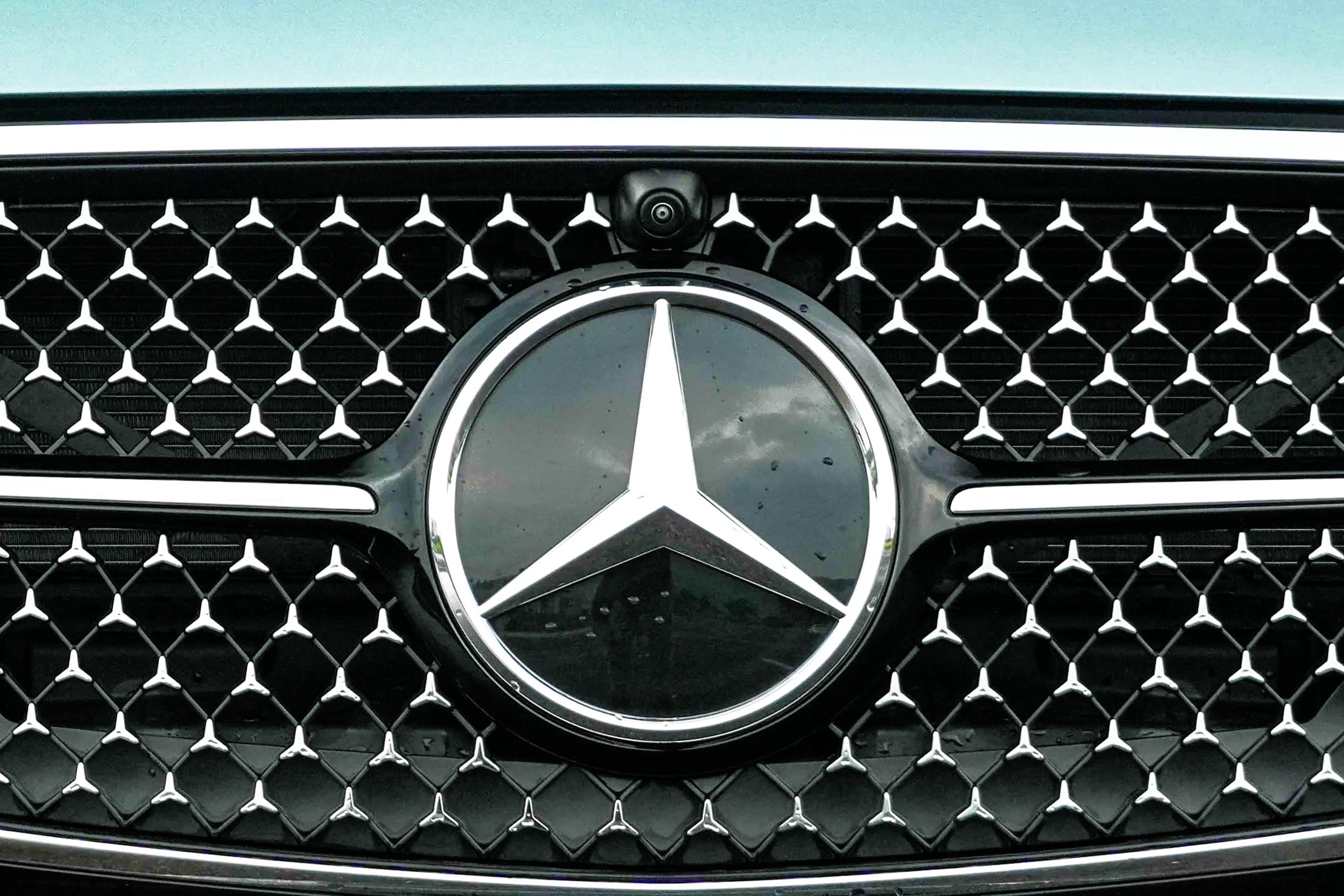
However, after Daimler passed away in 1900 and Germany’s post-WW1 economic crisis, DMG and Benz & Cie signed an Agreement of Mutual Interest for a merger in 1926. Thus, the Mercedes-Benz brand was born in June of that year, with the name honouring DMG’s most successful model and Carl Benz. Alongside this, the iconic three-pointed star logo – signifying land, water, and air – was finalised as Mercedes-Benz’s trademark.
Motorsport legacy: 1934-present
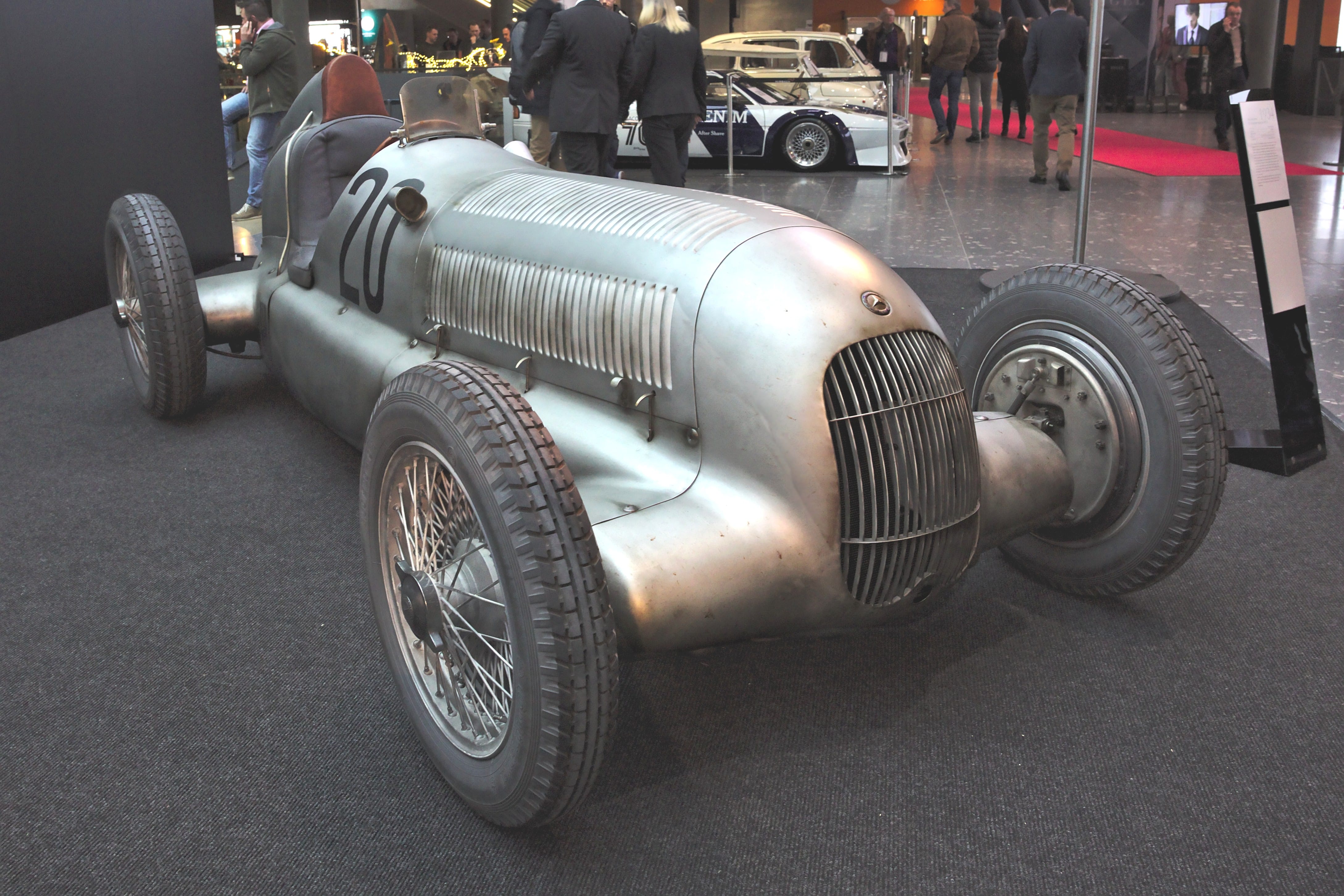
As proven by its early days, motorsport has been woven into Mercedes-Benz’s DNA. In the 1930s, Mercedes-Benz’s iconic ‘Silver Arrows’ dominated Grand Prix races, winning European championships. After a hiatus during and after World War 2, Mercedes-Benz returned to racing in the 1950s with great success: the W196 won F1 titles in 1954–55 with Juan Manuel Fangio and Stirling Moss. Mercedes also excelled in sports car racing, notably winning Le Mans in 1952 and 1955 with the 300 SLR.
From the 1990s, Mercedes returned to top-level motorsport. It supplied engines to McLaren from 1995 to 2014, and on the team side, Mercedes fully entered Formula One in 2010 after purchasing Brawn GP. Between 2014 and 2021, the Mercedes-AMG Petronas F1 Team achieved unprecedented dominance, bringing home 8 straight Constructors’ titles and Lewis Hamilton winning six Drivers’ championships during that period.
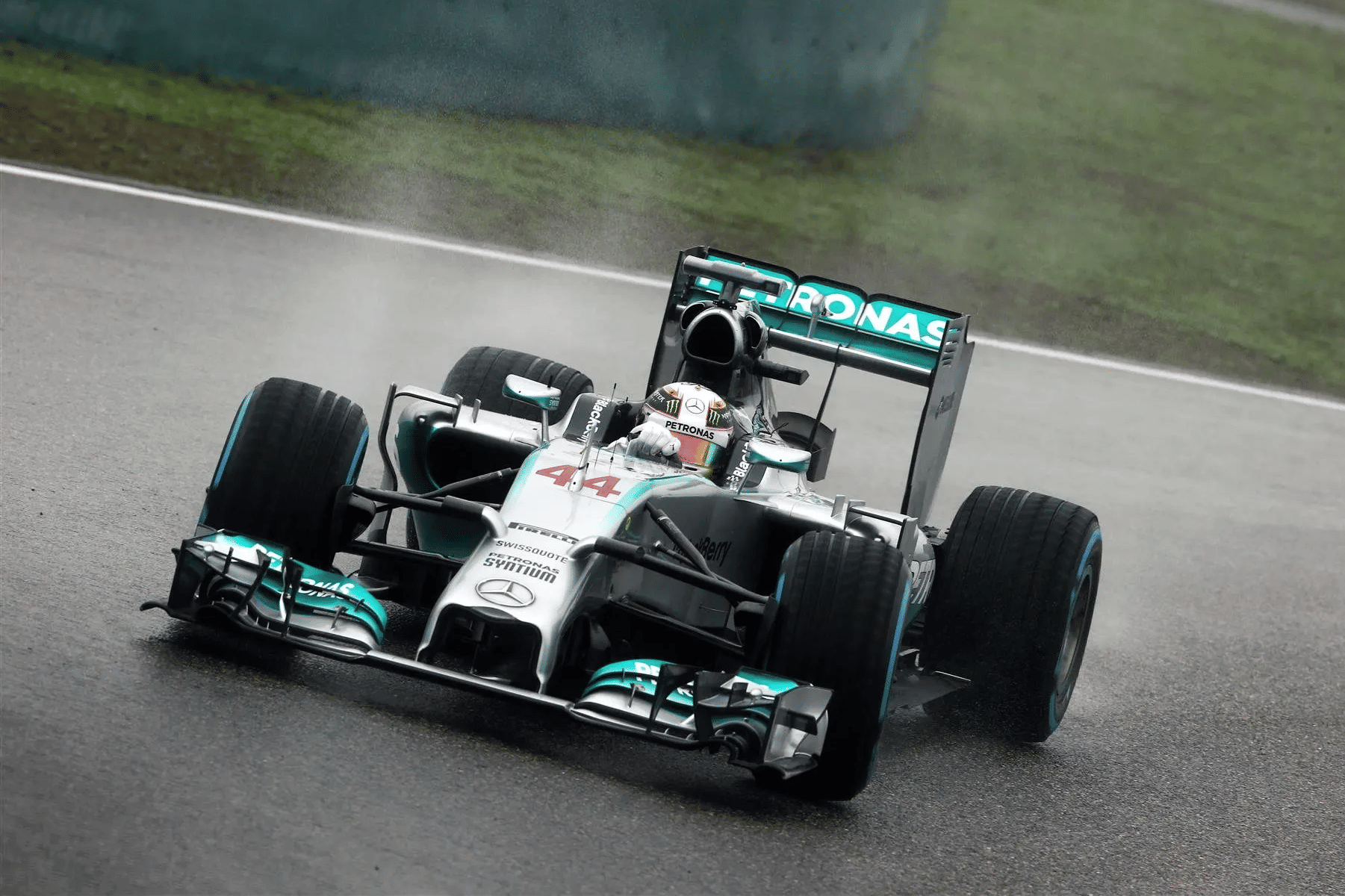
Mercedes-Benz cars and drivers also compete successfully in other series, such as DTM touring cars, endurance racing, and Formula E.
Safety innovations: 1949-2002
After WW2, Mercedes-Benz set its sights on making its cars as safe as possible. In 1949, Mercedes-Benz developed conical-pin door locks, which resist opening in road accidents, and 1951 saw company engineer Béla Barényi invent the crumple zone. For those unaware, crumple zones on a car chassis are energy-absorbent body panels that surround a rigid passenger cell and ensure the kinetic energy during a crash is dissipated before reaching it. This would come to shape how cars are built for decades, even today.
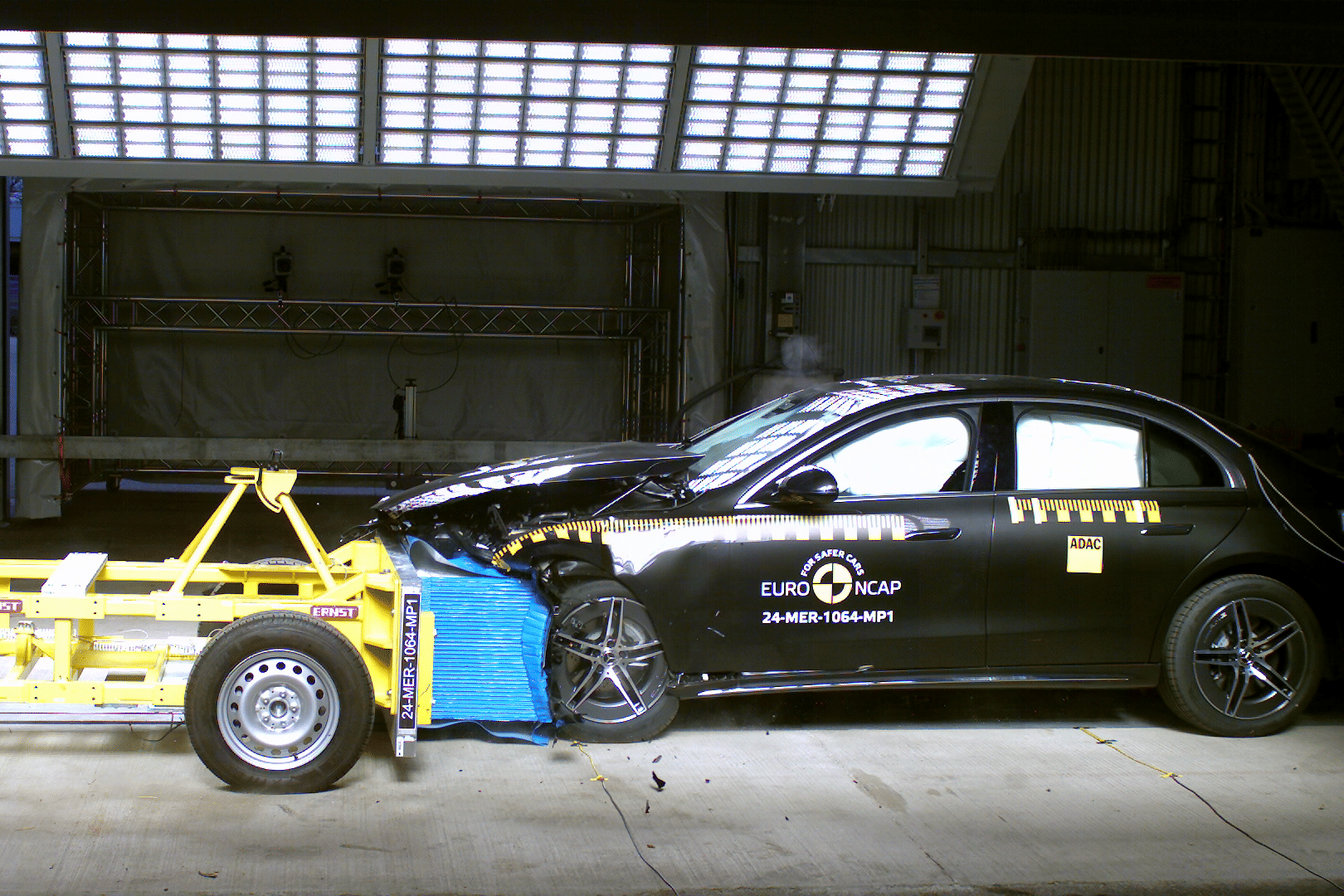
Mercedes-Benz even pioneered crash testing with a formal program in 1958 for all of its new models. In 1973, Mercedes-Benz created the offset-frontal crash test to better simulate real accidents, which is a part of every NCAP assessment to date. Major driver aids, like the Anti-lock Braking System (ABS) (1978), Electronic Stability Program (ESP) (1995), PRE-SAFE predictive crash management system (2002), and driver drowsiness monitoring (2010), were first seen on Mercedes cars too.
Integration of AMG and Maybach: 1999-2015
First established in 1967 by former Mercedes-Benz engineers Hans Werner Aufrecht and Erhard Melcher, AMG was an independent engineering firm that designed and tested racing engines. It also offered customised road cars based on Mercedes-Benz models, as well as accessories and performance enhancements for them.
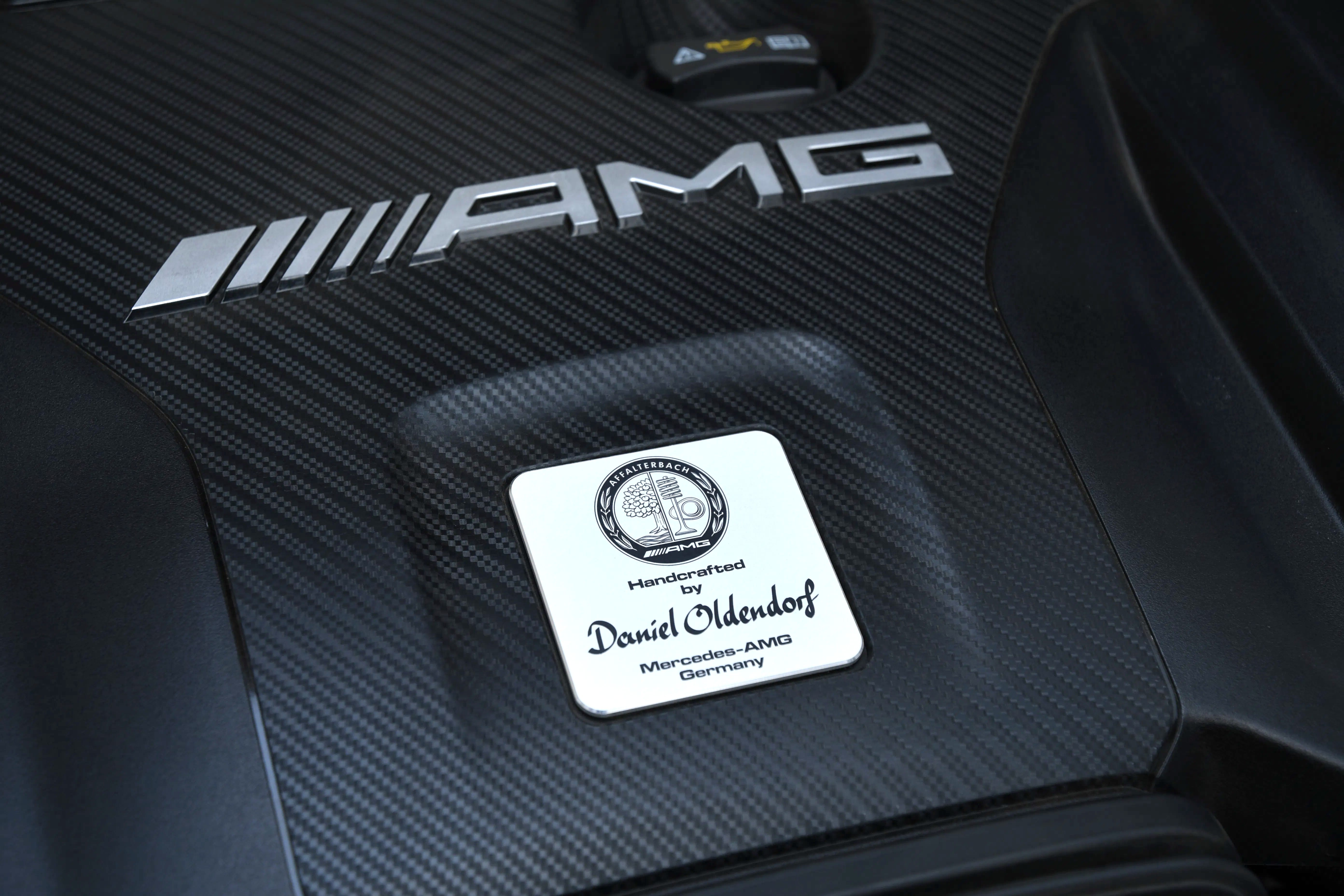
Following a co-operation agreement in 1993 that allowed AMG to use Mercedes-Benz’s dealer networks to sell its cars, and even develop joint models, the carmaker purchased 51 percent of AMG’s shares and rebranded the operation to Mercedes-AMG GmbH. Aufrecht sold his remaining shares in 2005, and AMG then became a wholly-owned subsidiary of Mercedes-Benz, and remains so to this day.
On the other hand, Maybach was founded in 1909 by its namesake, Wilhelm Maybach, as an engine manufacturer for German aircraft and trains. Post-WW2, Mercedes-Benz acquired Maybach to make special hand-built editions of the W108 and W116 model line. Still a standalone brand, Maybach debuted ultra-luxury models like the 57 and 62 in 1997. However, due to waning sales and the aftermath of the 2008 financial crisis, Mercedes-Benz decided to shutter Maybach by 2013.
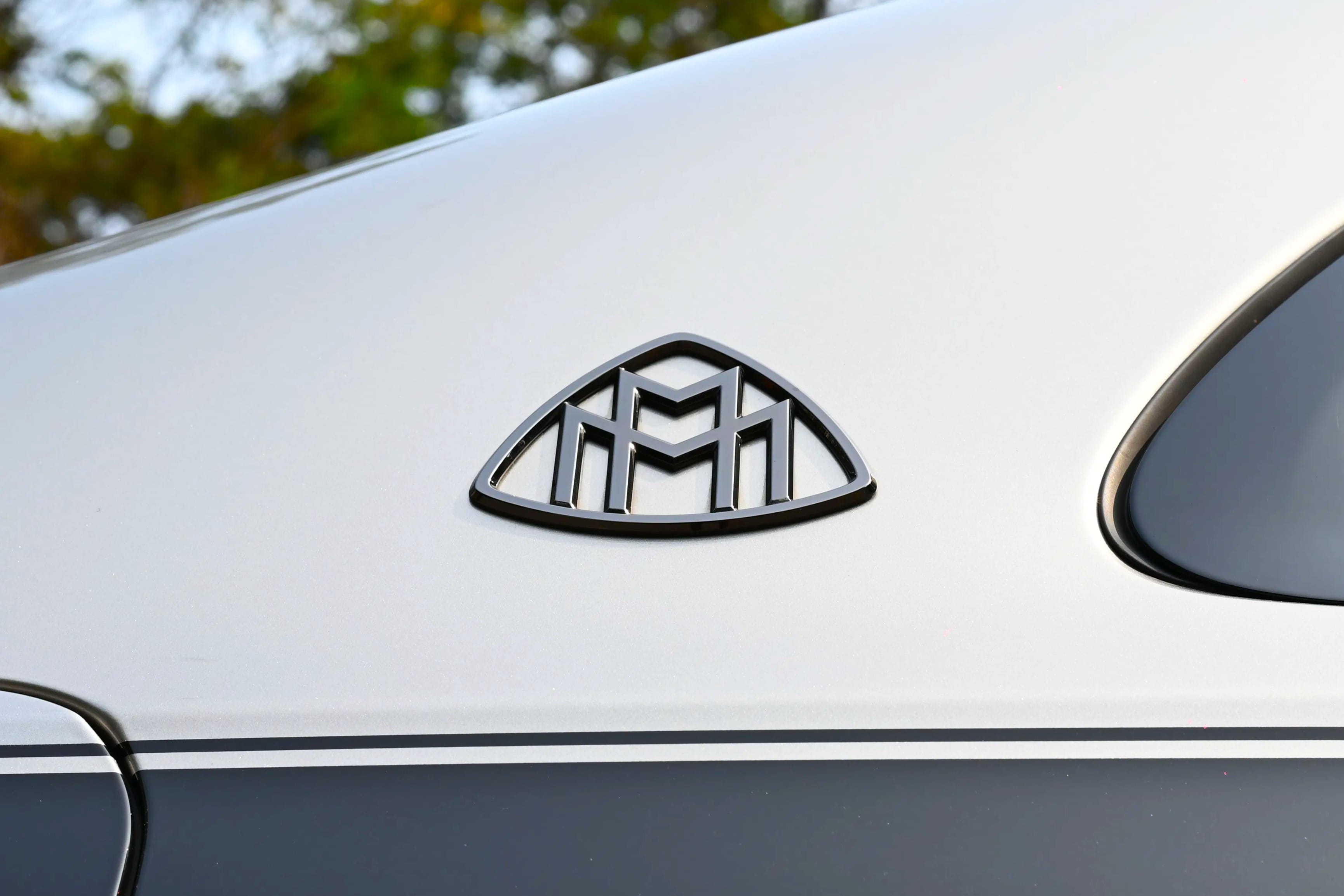
In late 2014, Mercedes-Benz announced that it would be reviving Maybach, but as a separate ultra-luxury variant line for the W222 S-Class. This approach turned out successful, with the Maybach treatment extended to the GLS and EQS SUVs, as well as the SL roadster.
Mercedes-Benz in India
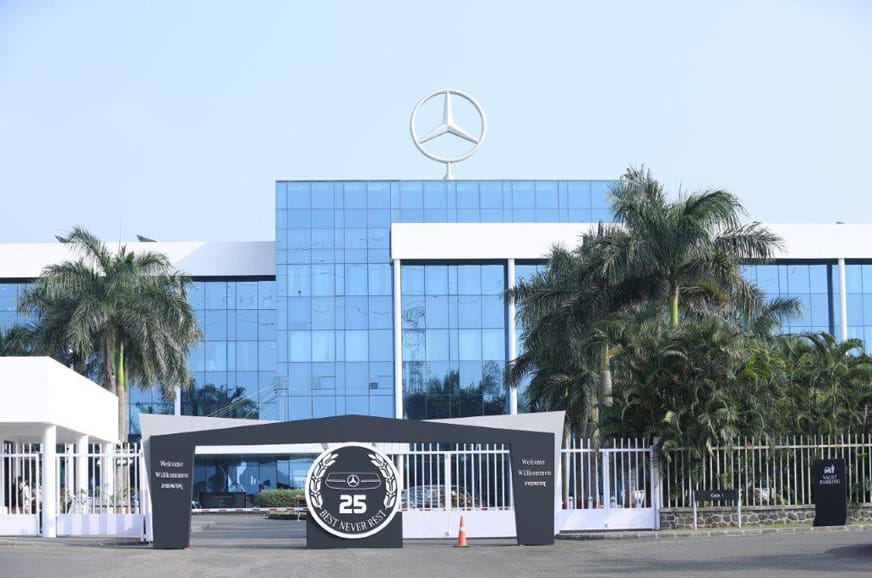
Mercedes-Benz formally entered India in 1994, initially importing the W124 E-Class through a joint venture with the Tata Group. In 2009, Mercedes-Benz India opened its inaugural plant in Chakan, Pune, about 15 years after the company began assembling cars locally at a leased facility. This plant, which cost the company Rs 250 crore, enabled local assembly of the C-Class, E-Class, and S-Class sedans (and eventually SUVs like the GLA, GLC, GLE, and GLS), reducing costs and thereby boosting sales.
Since then, Mercedes-Benz has risen among the ranks to become the bestselling luxury carmaker in India. At present, Mercedes-Benz sells over 20 models in India, and even though it registered a near 3 percent drop in sales in 2025, it was the best year for the company in terms of revenue so far. Alongside this, Mercedes-Benz has announced plans to launch 12 new cars in India this year. Here's to 140 more illustrious years for the three-pointed star.


