
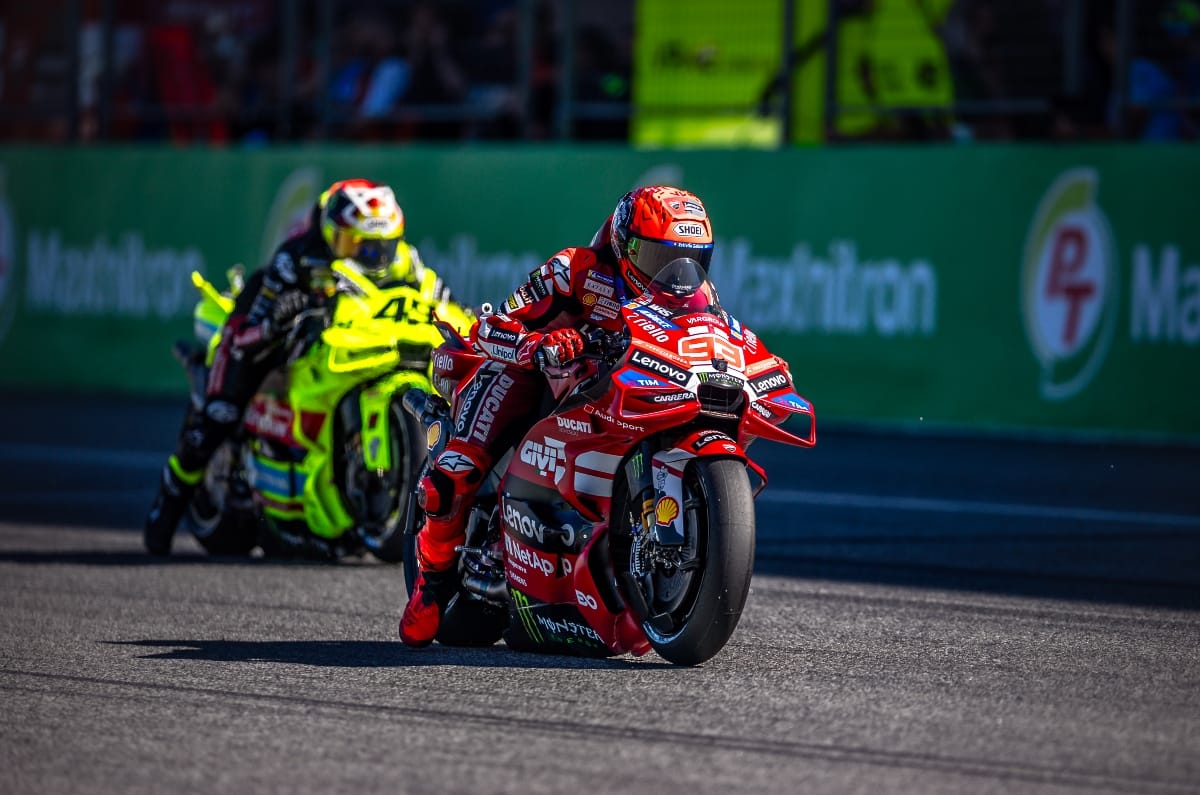
There are two versions of a MotoGP weekend. One is the version most of us know, the one that arrives neatly packaged through broadcast feeds, timing graphics and commentary that explains every move almost as it happens. The other is the version you experience at the circuit. Less structured, less predictable, and far more overwhelming. At Buriram’s Chang International Circuit, that gap between watching and feeling becomes impossible to ignore, as I found out.
The Illusion of control
On TV, MotoGP comes across as a polished, well-oiled feed. Every shot, every overtake and every storyline is carefully built. Trackside, however, it is a different story altogether. The first thing that hits you is the sound. You hear the bikes before you see them, a soft rumble that builds into something sharper and more urgent before disappearing almost as quickly.
The speed is difficult to process. What appears fast on screen becomes a blur of colour and motion in person, especially when the bikes go past you in a straight line. There is also a fragmentation to the live experience. Unless you are constantly looking at a large screen, you never quite follow the race in full. Instead, you catch glimpses. A moment into Turn 1, a flash down the straight, a reaction from the crowd somewhere else that hints at something you have missed. It becomes less about following a narrative and more about assembling one.
More human, less gladiators
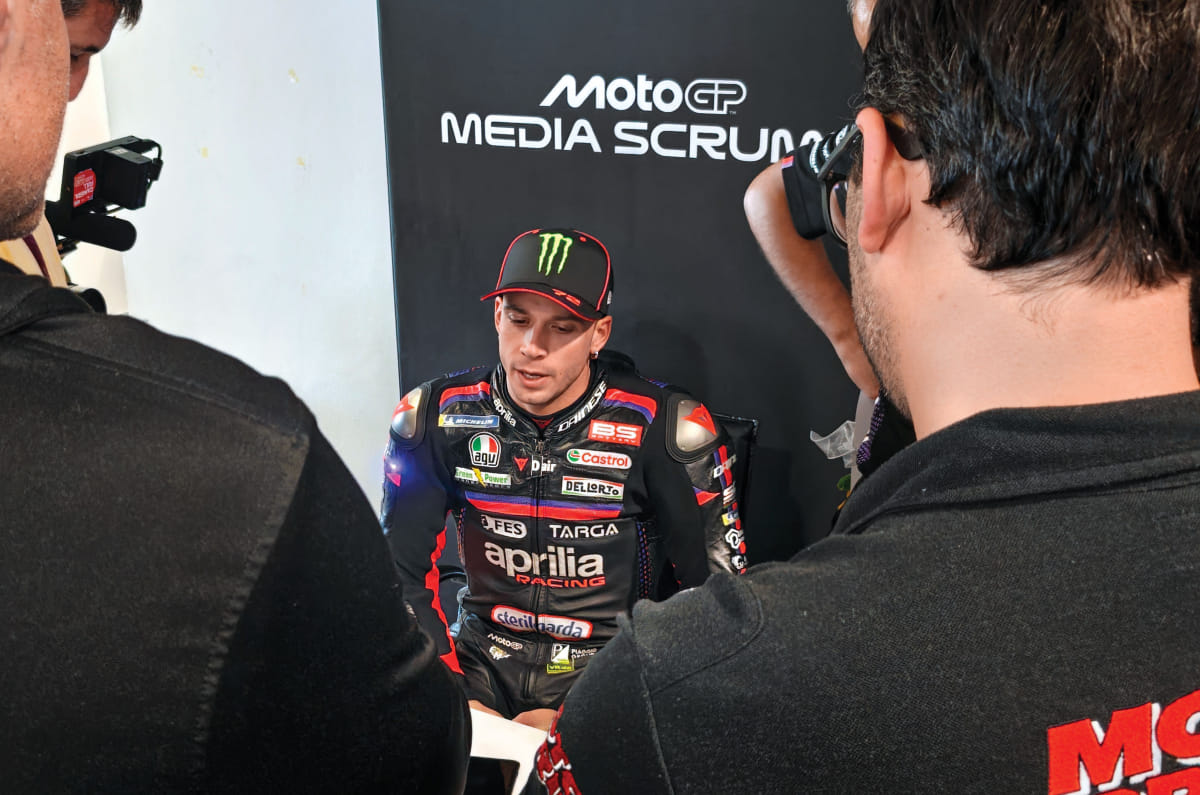
The riders themselves feel different once you are around them. Broadcast tends to elevate them into something almost godly, figures defined by aggression and charisma.
In person, though, they are far more human. Some are relaxed, some are still carrying the frustration of an incident, discussing it within their inner circle or quietly with a few journalists off the record. Others are curious, trying to understand what the outside world thinks and whether it aligns with their own view. It is a side you rarely see on TV, where every word is measured to avoid controversy.
Every rider has a distinct personality. Pecco Bagnaia comes across calm and analytical in media interactions, choosing his words carefully. Marc Marquez still radiates intensity, but is highly articulate, often saying exactly what he wants in a way that gets the message across without crossing a line. For instance, he was clearly unhappy about the one-position drop penalty he received in the sprint, but the way he expressed it was controlled, calm and deliberate.
At the other end is someone like Marco Bezzecchi, who wears his heart on his sleeve and can be set off even by a fairly ordinary question. Even journalists tend to be cautious around him when it comes to tougher topics.
What becomes clear is that television captures the extremes of their personalities, when they win, crash or celebrate, while the paddock reveals everything in between.
Fan experience
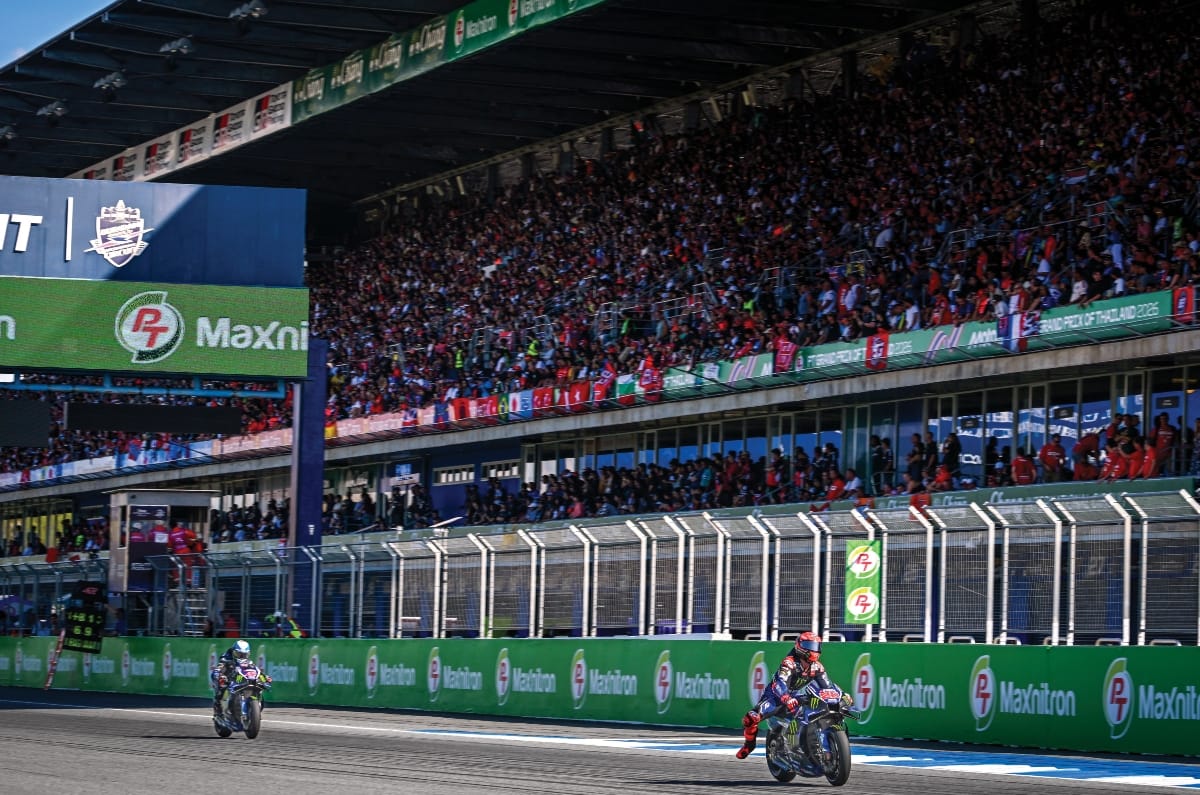
In MotoGP, fans are not just spectators, they are participants in the atmosphere.
The fan zones are alive from early morning, with merchandise stalls, simulators, live music, and the paddock buzzing with activity. Of course, it depends on which Grand Prix you attend. Southeast Asian rounds tend to be full of enthusiastic fans, which is not always the case at places like Qatar or even a fantastic venue like Portimao in Portugal, largely because of the track’s distance from populated regions. The crowds in places like Thailand are incredibly committed. You will see families and hardcore fans in full racing gear, standing through the heat without complaint.
In certain areas, you are closer to the riders and teams than you would expect for a world championship. A quick walk through the paddock access zones or near the hospitality areas can suddenly put you within arm’s reach of the sport’s biggest names
Inside the paddock
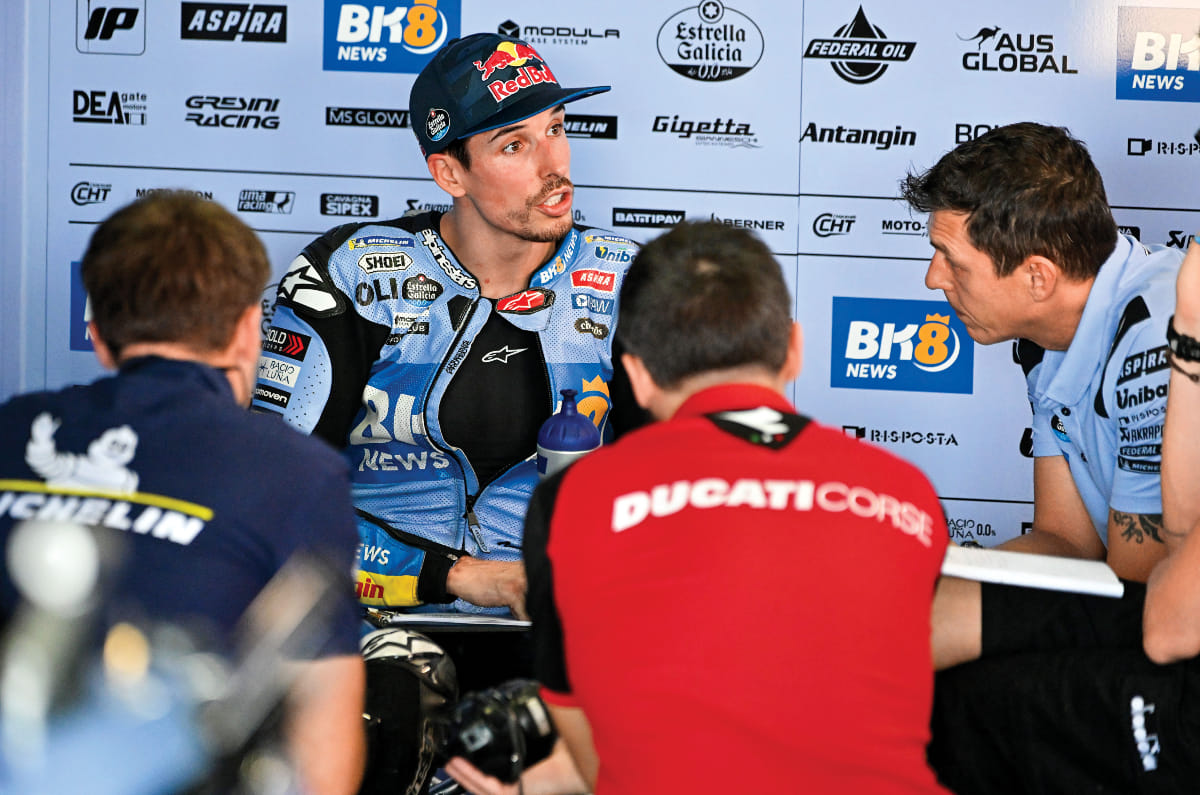
The paddock is where the real work happens and where the spectacle is created. Engineers study data with quiet intensity, mechanics move with practised efficiency, and conversations happen in low tones that carry significant weight.
There is little drama on the surface, yet it becomes obvious that much of the race is shaped here long before the lights go out. Setup decisions, tyre choices and incremental changes build over the weekend, forming the foundation of what eventually unfolds on track.
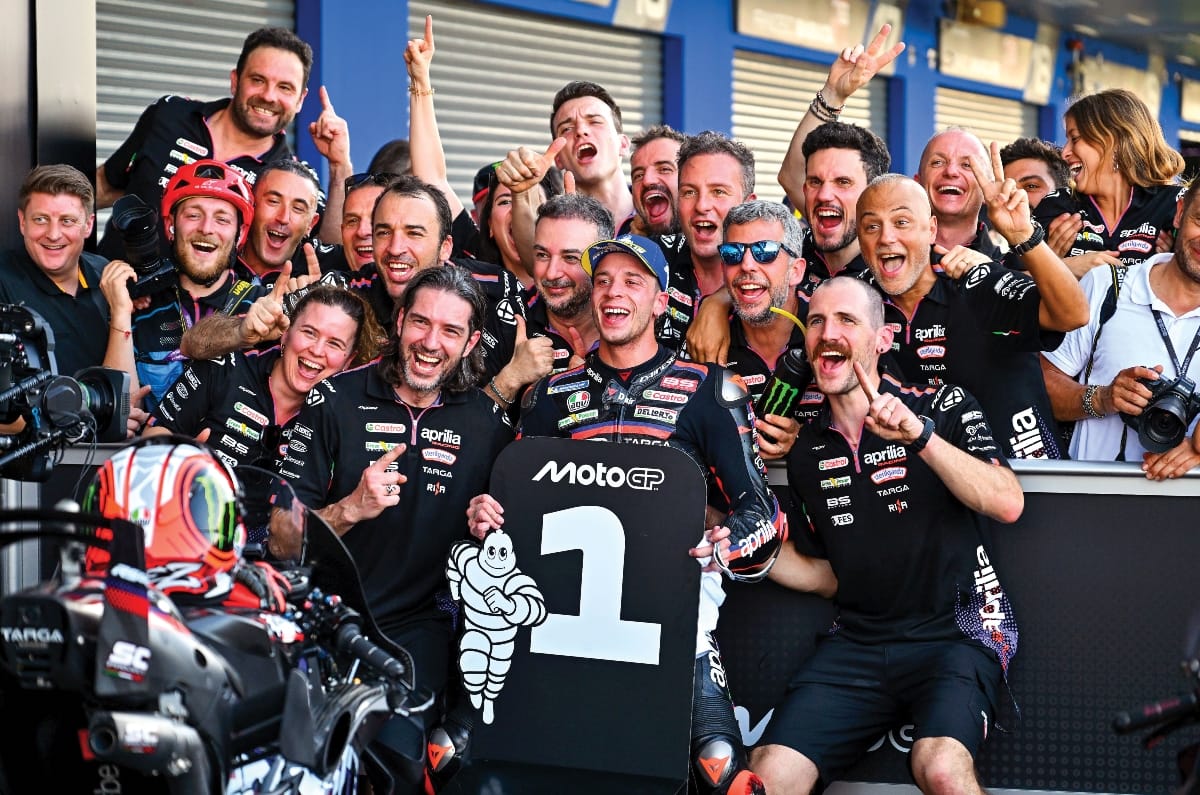
The Thai GP, in particular, was a challenging weekend for the paddock. With pre-season testing held at the same venue, teams arrived already well dialled in from the first session. That meant the difference came down to f ine details. Conditions, however, were very different. Temperatures were significantly higher than during testing, and that had a clear impact on how the race unfolded.
From the outside, it became apparent that Ducati, for example, was struggling more in the heat, while Aprilia looked increasingly competitive. This was not entirely unexpected for Ducati, as teams simulate these scenarios in advance, but the extent of Aprilia’s pace may have caught some off guard.
Spend enough time in the paddock, and you start to see the race differently. What unfolds on track begins to feel like the final act, not the whole story.
Watching vs being there
This is where the comparison becomes most interesting. As a way to follow the race, television is still unmatched. In fact, most journalists who attend multiple rounds across the season end up watching the race on screens inside the air-conditioned media centre, as the feed offers clarity, continuity and context in a way that watching it live simply cannot, which is important as they have to assess the race in real time to report it.
But for someone like me, who attends a MotoGP race once in a few years, watching it live from trackside, exposed to the elements, is a very different experience. The start of the race is not just a visual moment but a shared one, marked by anticipation that builds in the seconds before the lights go out. When something significant happens, the reaction travels through the crowd before it becomes visible, turning the race into a collective experience rather than an individual one.
So yes, modern MotoGP coverage is excellent. It brings viewers closer to the action and explains a complex sport with remarkable clarity. Yet it cannot capture the physical toll of a race weekend in the heat. It misses the unpredictability of the paddock and the small, unscripted moments that shape the experience. Most of all, it cannot replicate the feeling of being present when everything unfolds.
Two experiences, one sport
In the end, the two experiences serve different purposes. Watching MotoGP helps you understand it. Being there allows you to feel it.
The Thai GP makes that distinction clear. It is a race that translates beautifully to television, but reveals an entirely different character in person. And once you have experienced both, the difference stays with you.


