Back in 2022, we did something mildly ridiculous – we drove the all-electric Porsche Taycan from Kashmir to Kanyakumari. 4,400km. One country. Zero tailpipe emissions. It was equal parts adventure and anxiety, proving that while the Taycan could absolutely do it, India’s charging infrastructure was ‘still developing’.
Four years later, the wanderlust returned. Only this time, we decided to keep things sensible. Relatively speaking, of course. No cross-country marathons – just a proper, real-world road trip that more people would attempt. Mumbai to Goa. Familiar, scenic, and just the right amount of chaotic.
A quick call to Porsche set things in motion. Except things escalated quickly. “We don’t have the standard Taycan anymore,” they said. “But you can take the Porsche Taycan Turbo.” I tried to sound disappointed. I failed. Then came the knockout punch: “Would you also like the Porsche Panamera GTS?” Now that’s not a question. That’s a life decision.
So the plan evolved – two cars, one route, and a simple brief: which one makes more sense on an Indian road trip? Performance, efficiency, cost, and most importantly, time. Does an EV really slow you down?
Jay Patil joined me for this madness, along with our camera crew. And in a move that surprised absolutely no one, Jay immediately claimed the Taycan’s key, neatly placing his bag into its frunk like he’d been planning this all along. I didn’t argue – I had the Panamera GTS, finished in a rather stunning Madeira Gold. And more importantly, I had a 500hp, 4.0-litre, twin-turbo V8.
The cold start alone was worth the early morning alarm. It erupted into life, echoing through the office parking like a warning shot. This was going to be a good day.
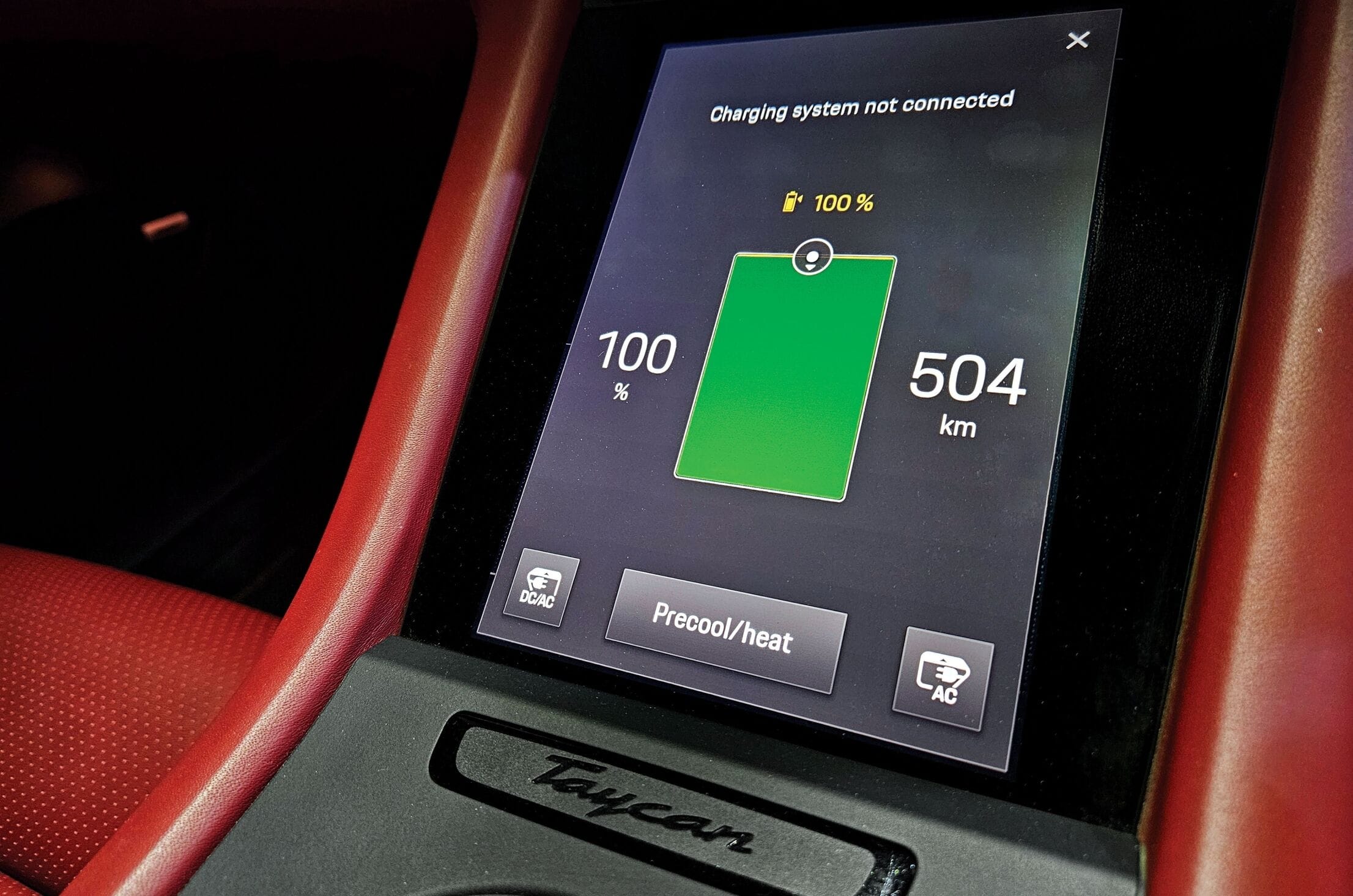
Fully charged. Fully fuelled. Let’s go. Google Maps pointed us towards the Mumbai Trans Harbour Link (Atal Setu) and onto NH66. The alternative via Pune and Kolhapur added a couple of hours, which, frankly, felt unnecessary when you have two Porsches at your disposal. And at that hour, Mumbai hadn’t quite woken up yet. The road was empty. Completely empty. Cue big, fat grin.
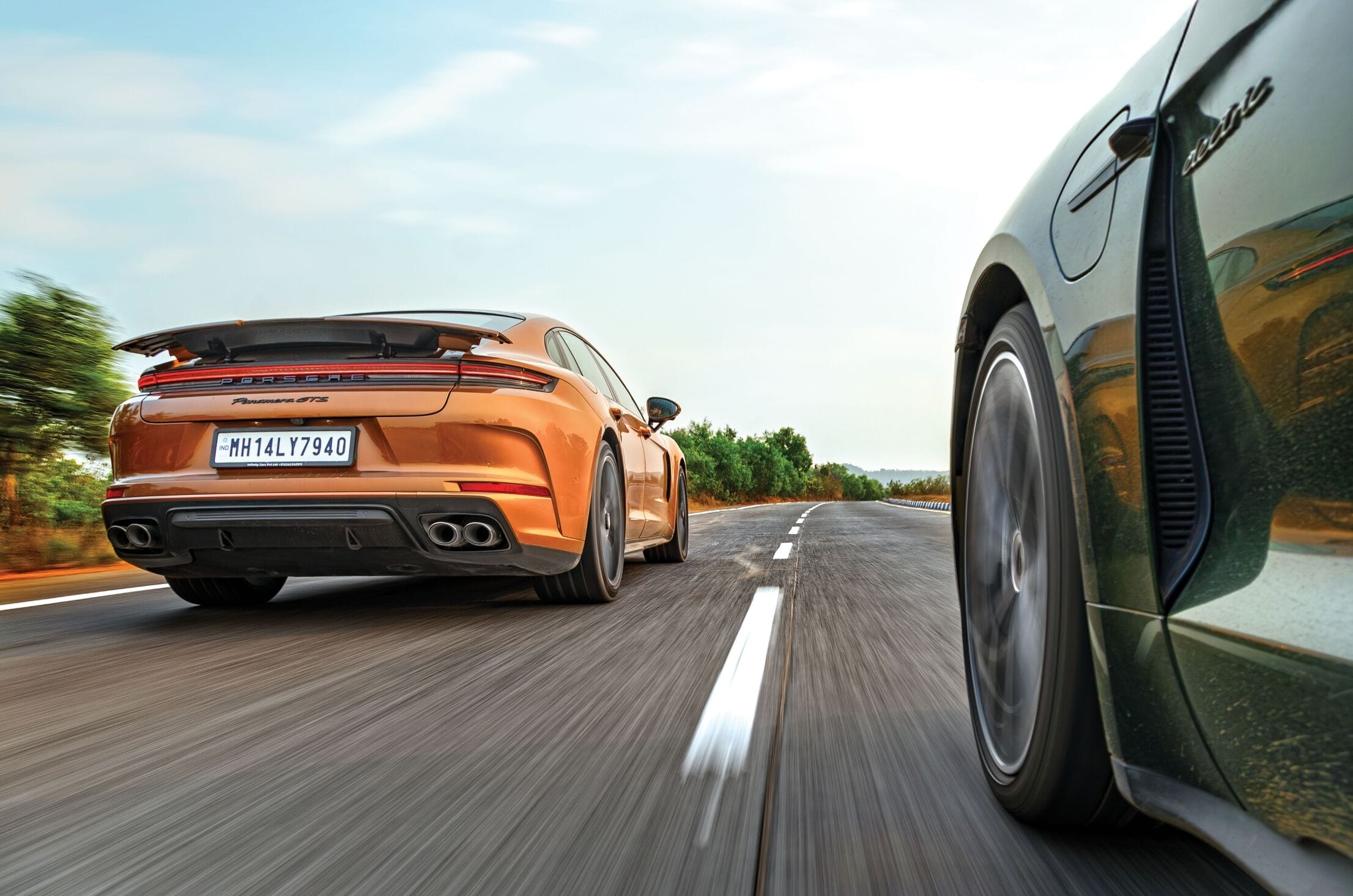
The Panamera’s V8 doesn’t just accelerate – it gathers itself, pauses for a fraction of a second, and then absolutely hurls you down the road with a sledgehammer-like punch. It’s dramatic, theatrical and deeply addictive. But even as I was grinning to myself, something odd happened.
The 884hp Taycan Turbo just disappeared. No noise, no drama – just pure, relentless acceleration. I was flat out, and it simply drove away like I’d missed a gear. That was my first reality check of the day.
Of course, NH66 quickly brought us back down to earth. Or more specifically, to its collection of completely random, utterly baffling speed breakers. Both cars, despite their clever air suspension, had to crawl over them like cautious house cats. It’s the kind of thing that makes you question everything – mostly road design.
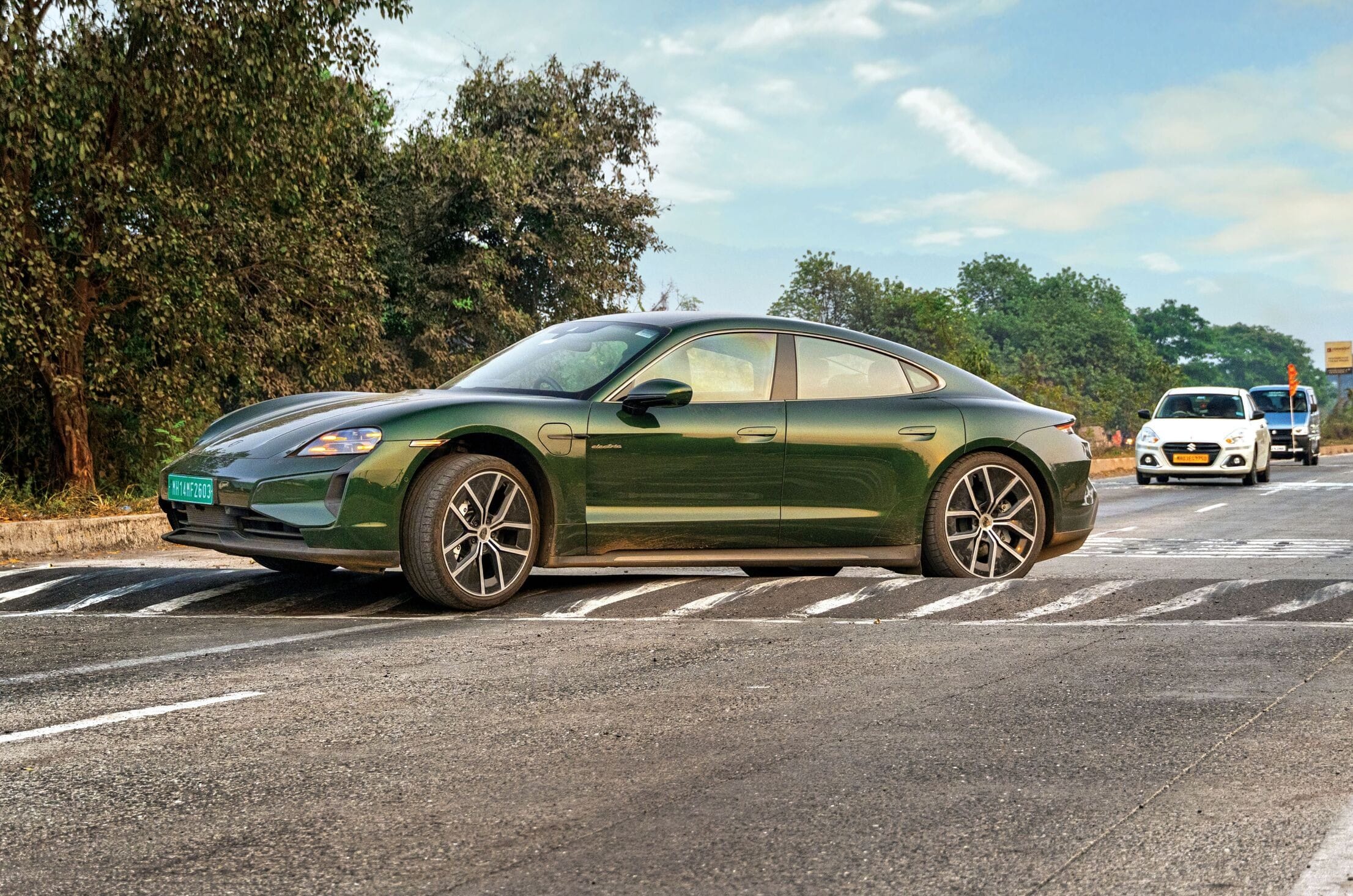
But once the road opened up, things got interesting again. Freshly laid roads, barely any traffic, and serious performance on tap meant we were covering ground quickly. The Panamera slipped into its element – effortless speed, beautifully weighted steering and that sense of unshakable stability. Around 170km in, near Poladpur, we found a short stretch of twisties. Game on.
I pushed harder. Braked later. Carried more speed. Surely, this would shake Jay off. Nope. There he was, right in my mirrors. Calm. Relaxed. Almost annoyingly composed in the Taycan. It didn’t make sense. It shouldn’t make sense. And yet, there it was – an EV keeping up without breaking a sweat.
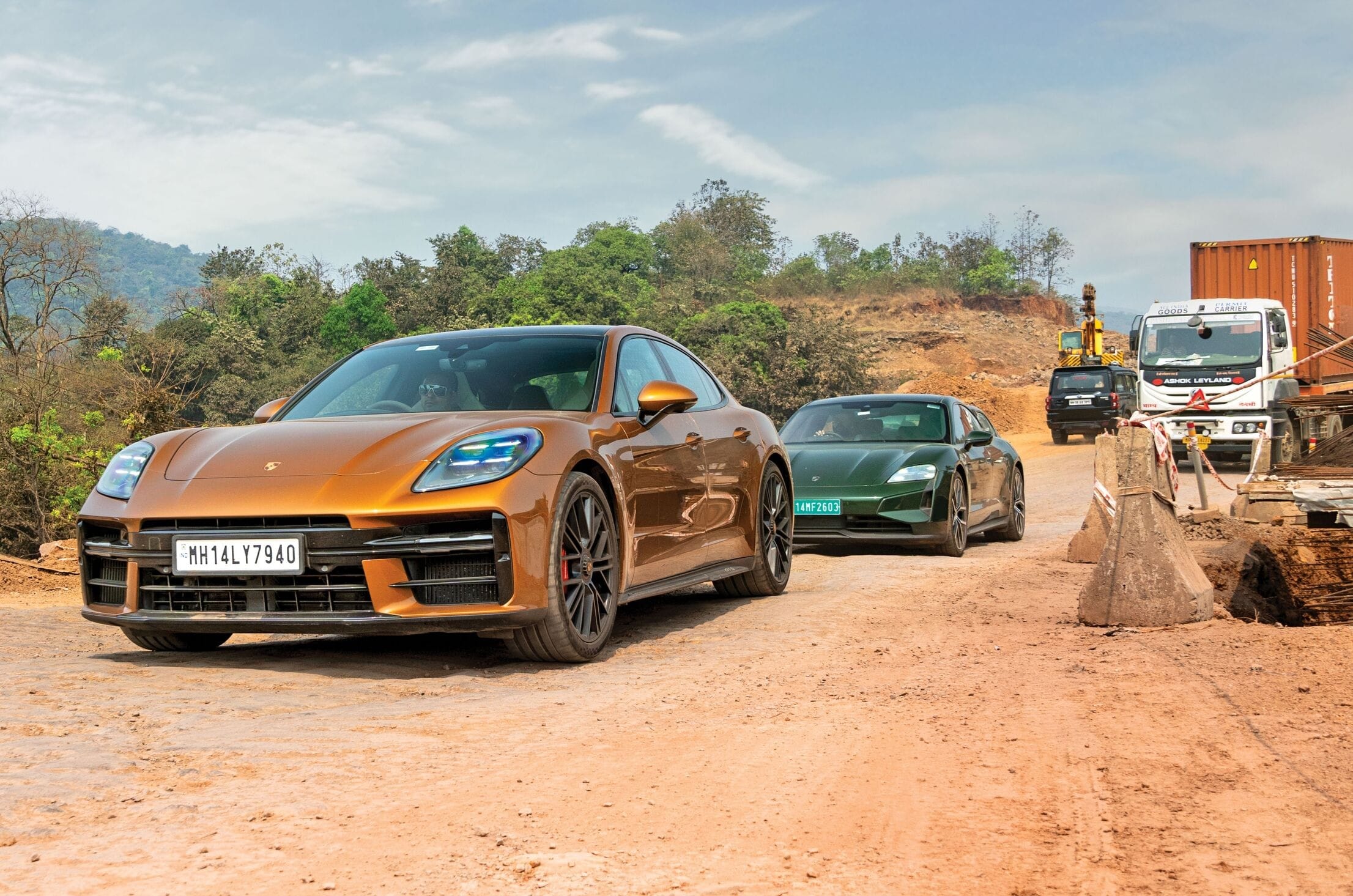
Reality, however, isn’t always smooth tarmac. Construction zones, broken patches, and endless diversions slowed us down soon enough. The suspension lift function earned its keep.
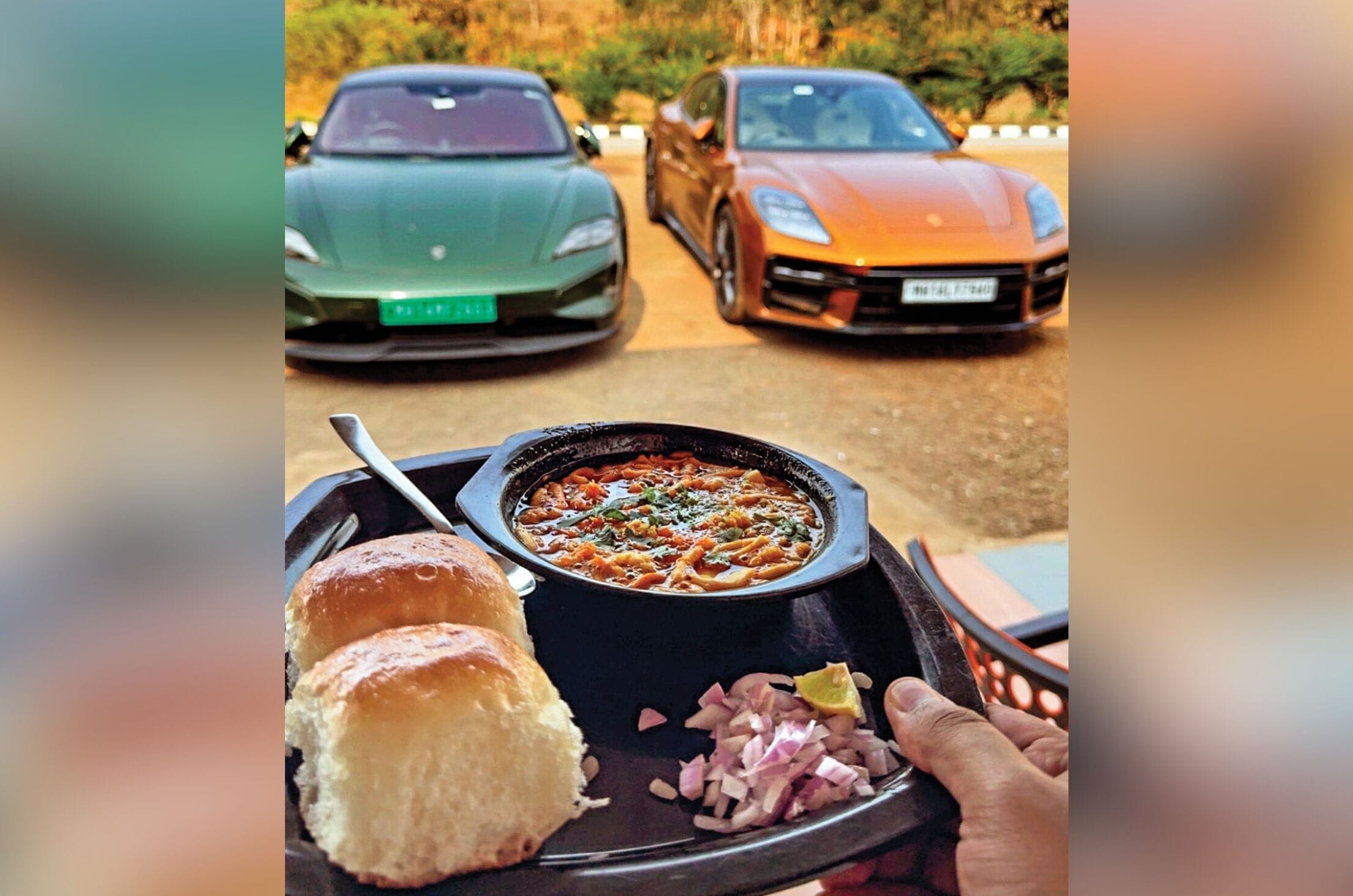
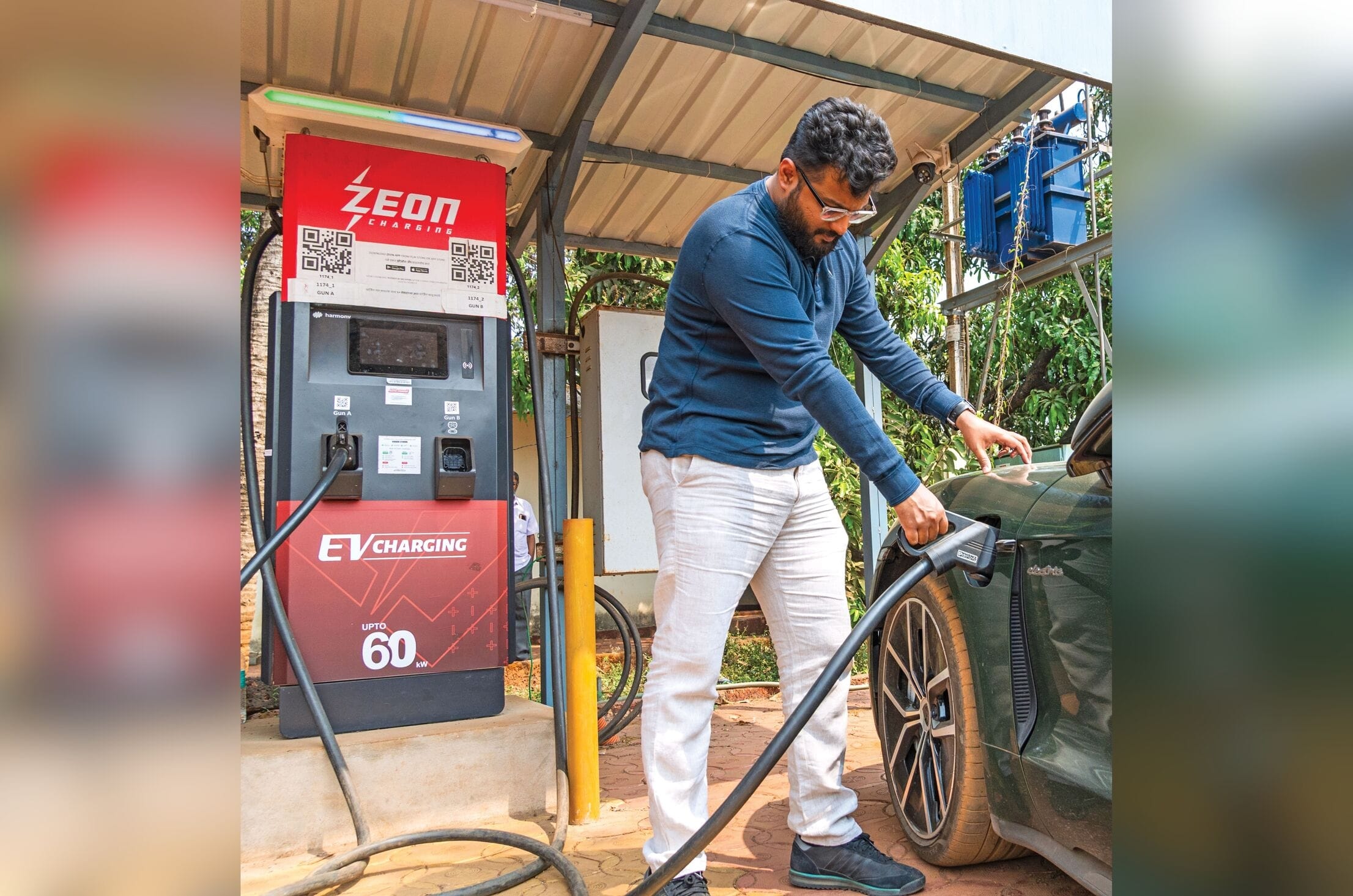
Just over 300km in, Jay suggested a lunch stop. Not randomly, of course – this one had been scouted on the PlugShare app and came with a 60kW Zeon DC fast charger. Coincidence? I think not. Fortunately, I was starving, so the timing worked.
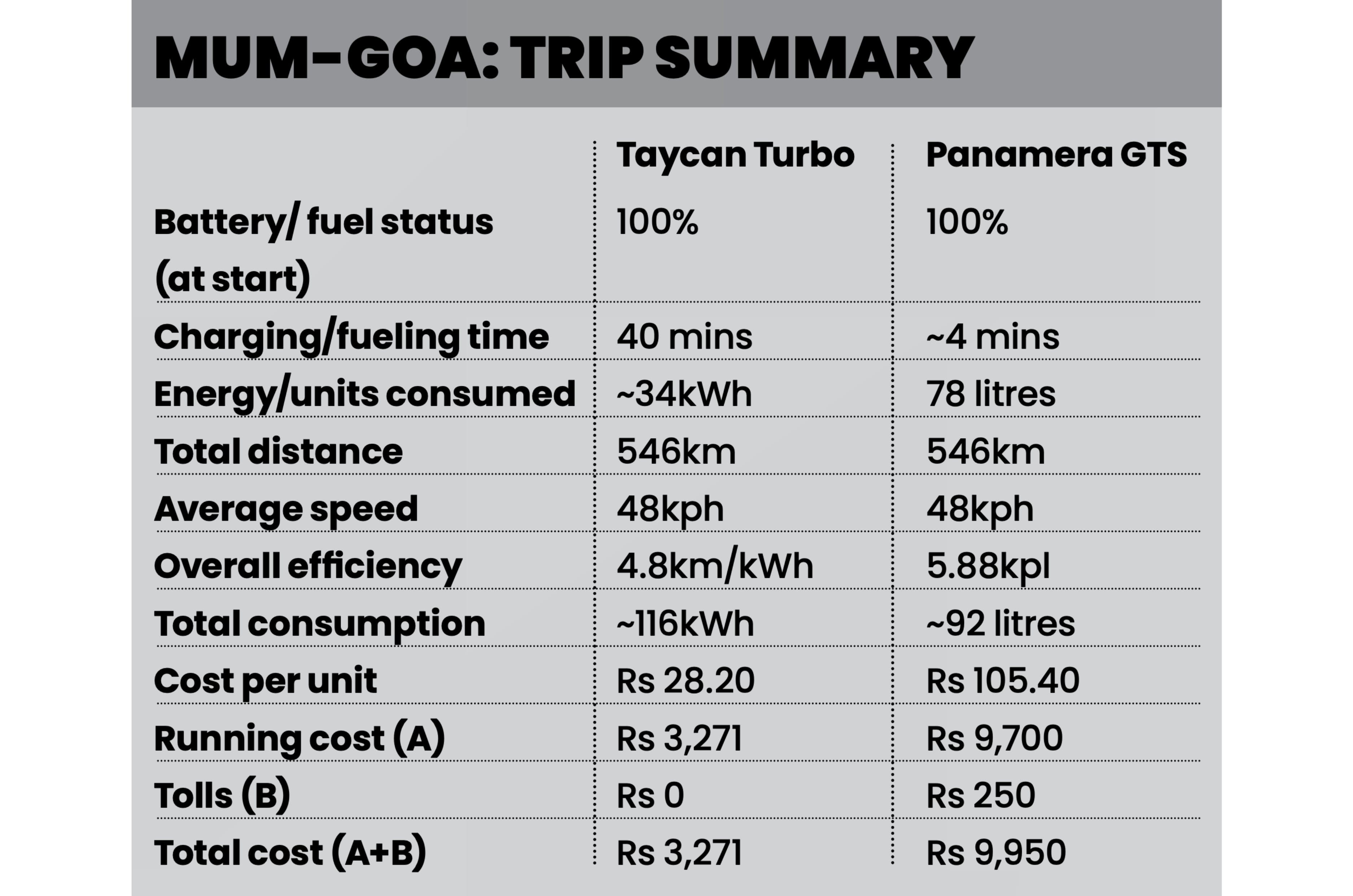
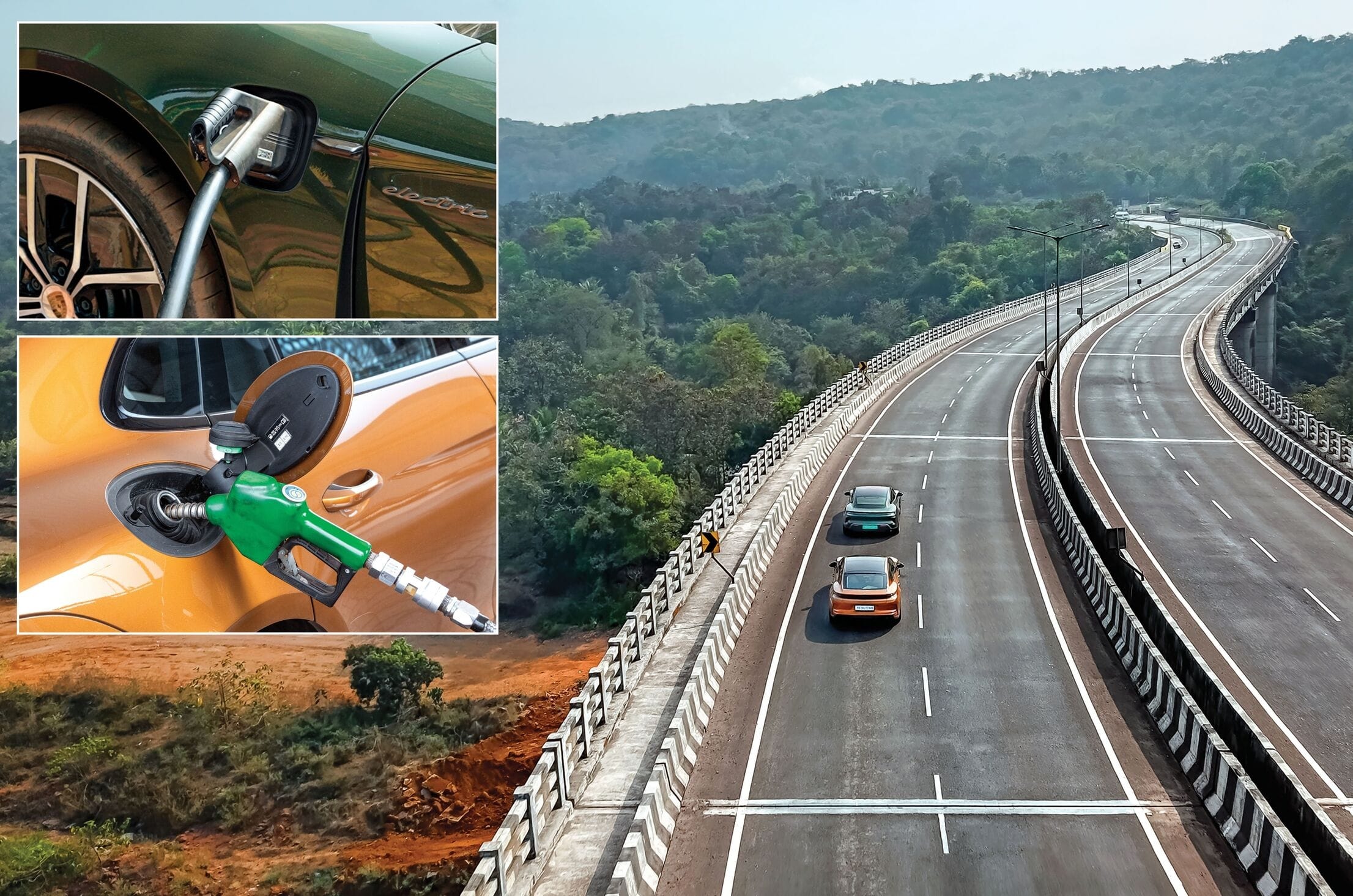
Luckily, there was no other EV at the charger at that point, plugged in without fuss, and the Taycan began pulling power at a peak of 58.5kW. By then, it had used up 72 percent of its battery. Forty minutes later, as we got done with our lunch, its SoC was back up to 62 percent, showing 320km of predicted range, more than enough to reach Goa.
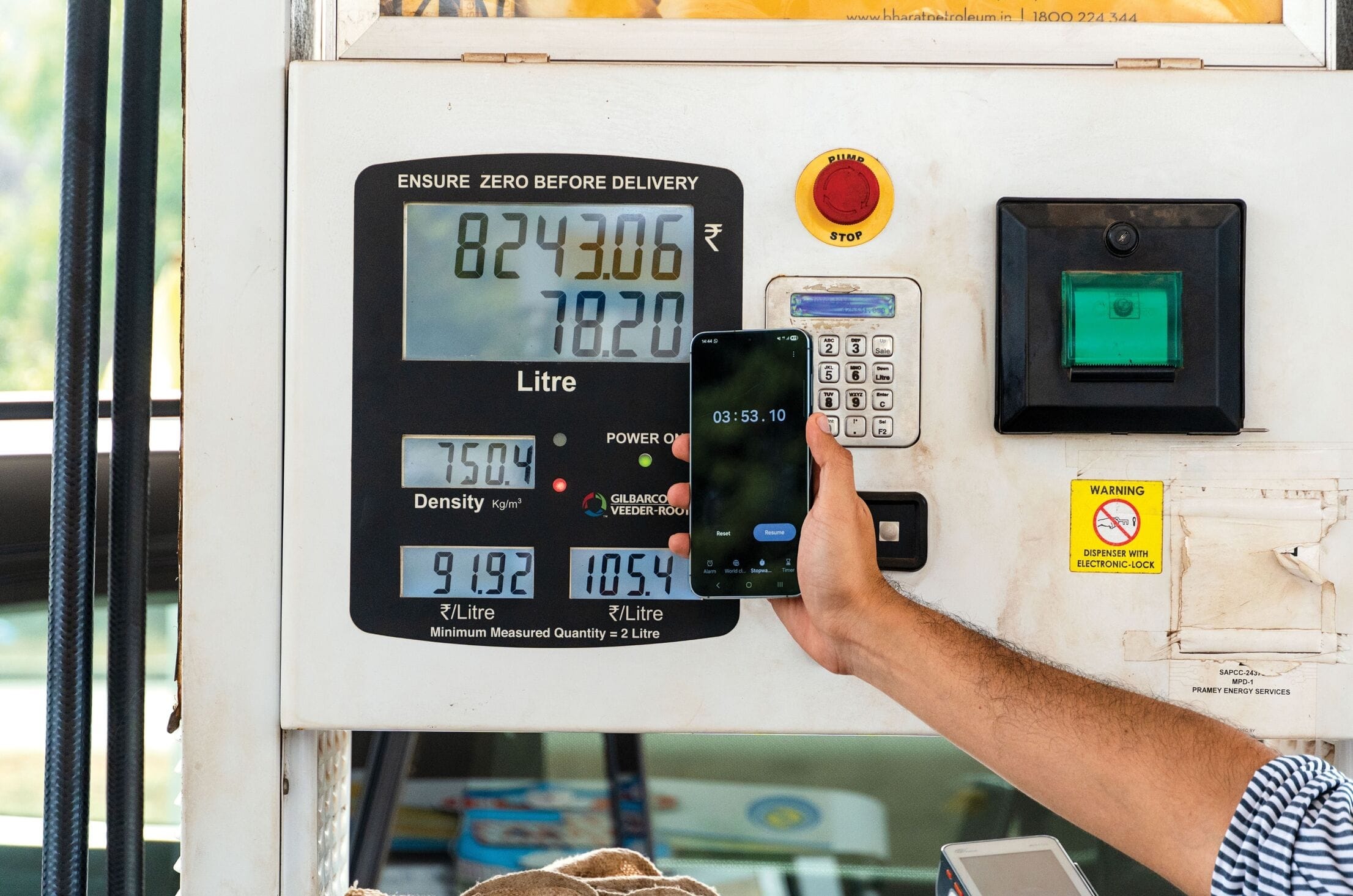
Meanwhile, the Panamera was still happily running on fossil fuels. A couple of hours later, it wasn’t. Fuel light on. But merely four minutes later, it gulped down 78 litres of petrol, and we were good to go again. That’s when Jay suggested we swap cars. I hesitated. Briefly. Then handed over the keys. And immediately understood why he wanted out.
The Taycan’s glass roof, without a sunshade, had turned the cabin into a solar oven. The air-conditioning was doing its best, but the sun was winning. Still, the moment I pressed the accelerator, none of that mattered. This thing is insane. “Explosive” feels like an understatement. The acceleration is instant, violent, and borderline hilarious. It just launches, over and over again, with no sense of mechanical effort, just pure electric fury. But what really got me was everything else.
The steering was sharper than the Panamera’s. Despite its weight, it felt more agile and lighter on its feet. The braking was stronger, more confidence-inspiring too. It’s almost as if Porsche has quietly rewritten the rules here.
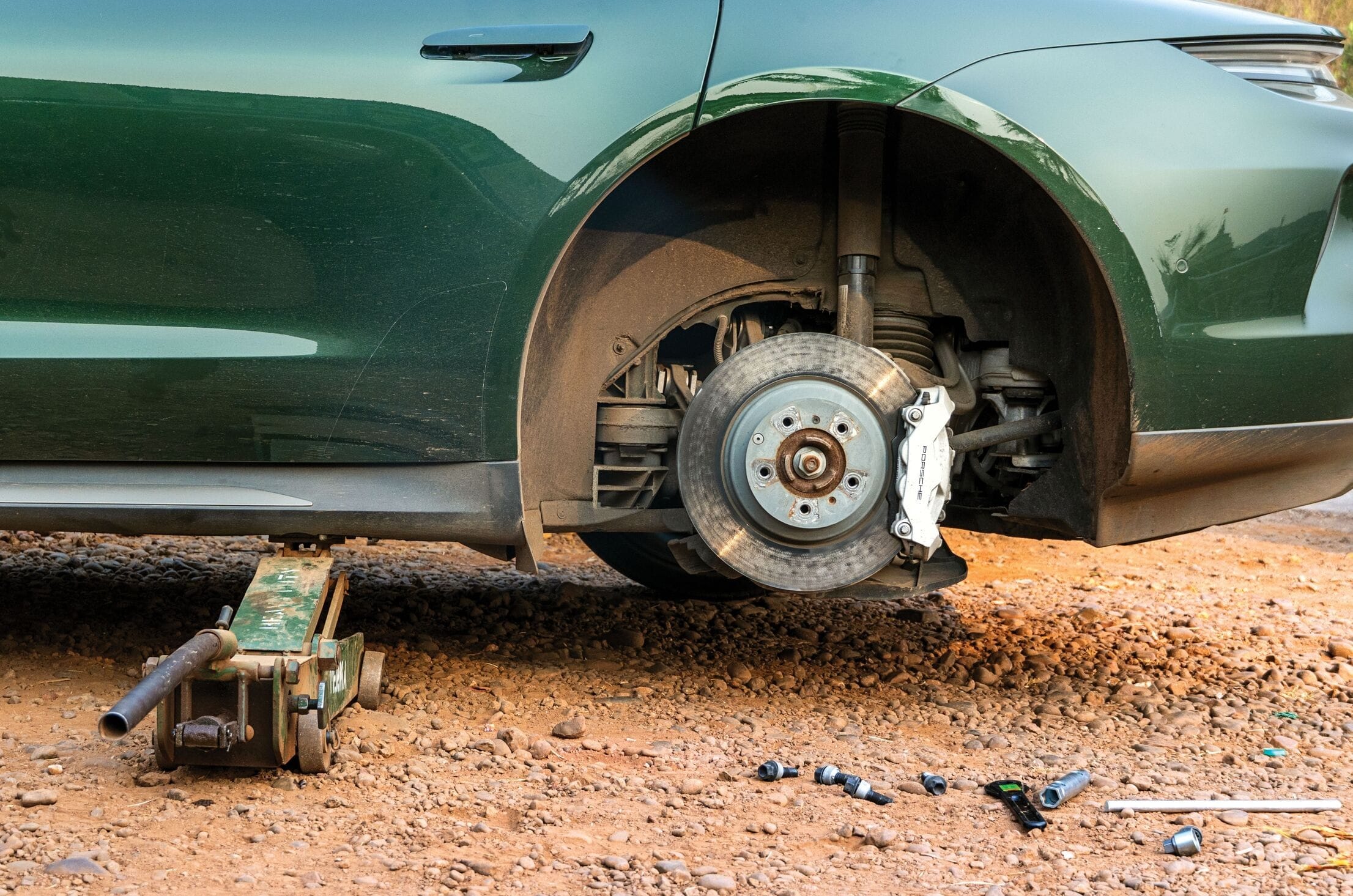
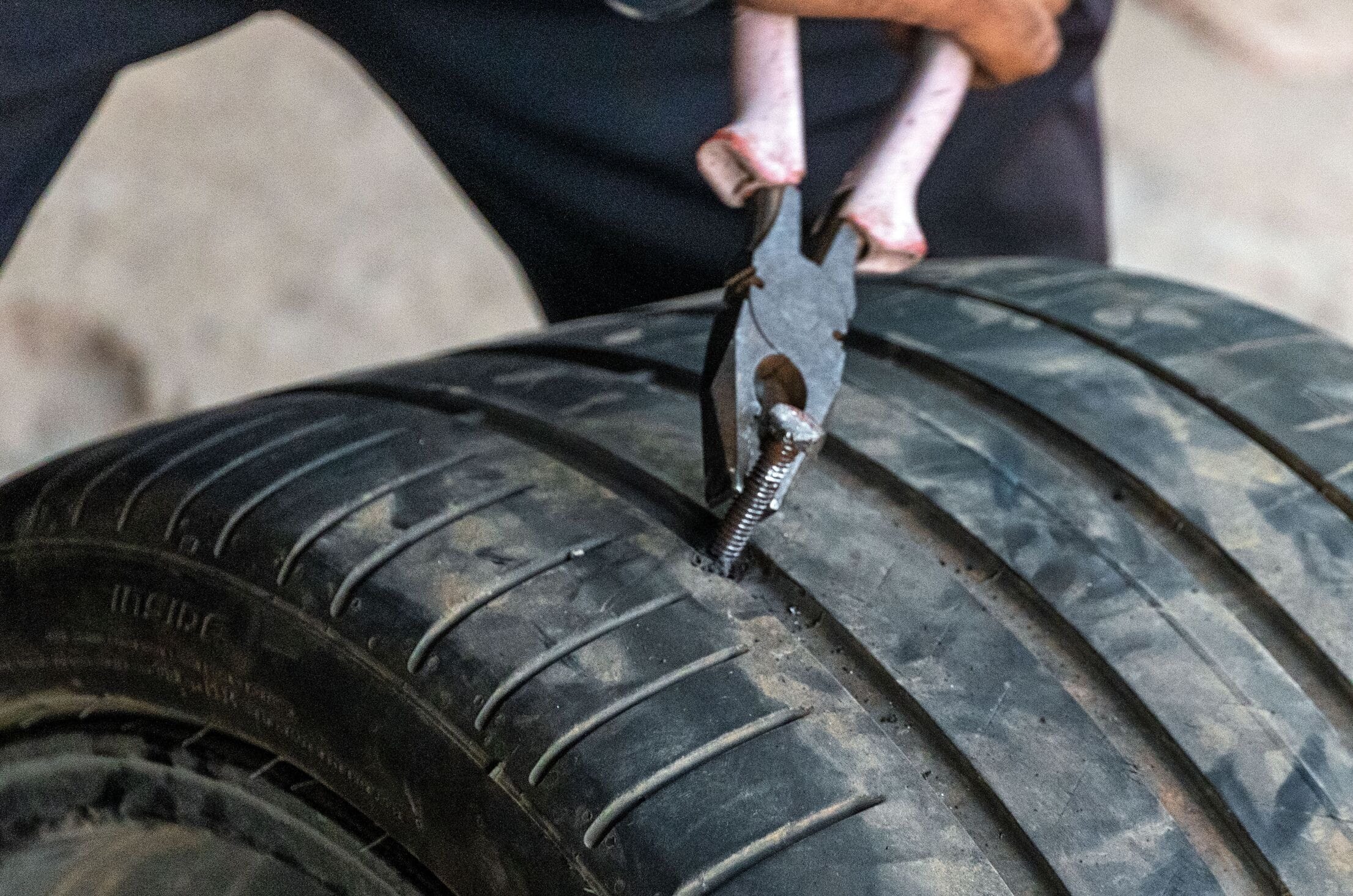
And then, just as we were settling into a rhythm, the road threw us a curveball. Tyre pressure warning. We pulled over immediately, thankfully spotting a roadside puncture repair shop just ahead. Jack Mode activated, the car lifted, and there it was. Not a nail. Not a screw. A two-inch bolt! Of course, it had to be there, to add even more excitement to this story.
Crisis dealt with, we carried on. And the final stretch was simply glorious. Fast sweepers, long straights, and barely any traffic. The kind of road that makes you forget everything else.
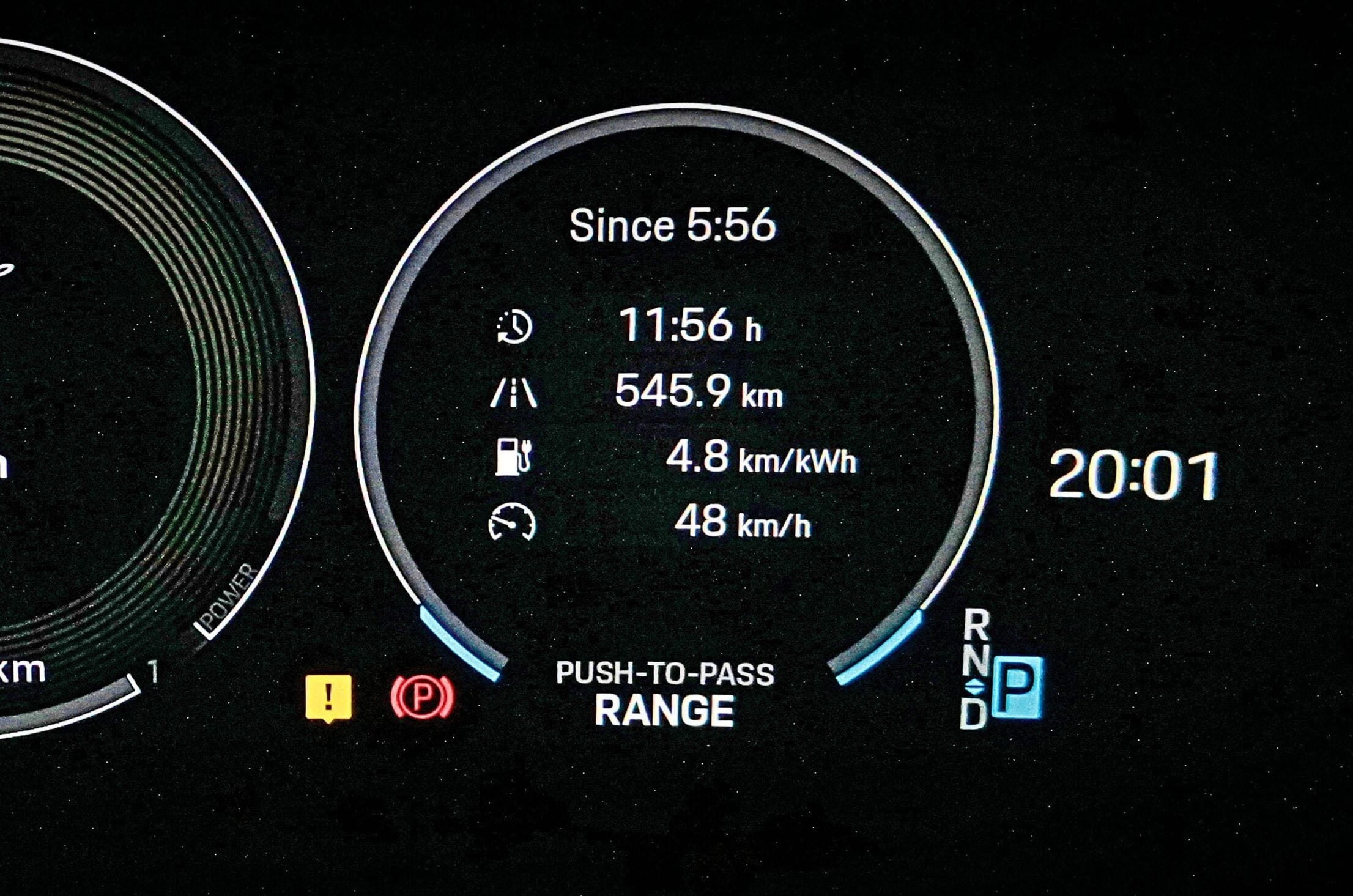
Several hours later – after plenty of shooting and a total of 546km – we rolled into Goa.
Now for the numbers. The Panamera returned 5.88kpl, with a total fuel cost just shy of Rs 9,700. Add Rs 250 for the MTHL toll. The Taycan, on the other hand, consumed approximately 116kWh of energy. At Rs 28.20 per unit (inclusive of GST), that’s Rs 3,271. Roughly a third of the cost. Oh, and no toll either, thanks to Maharashtra’s EV incentives.
So, was this a race? Not officially. But here’s the thing – with a bit of planning and by timing your stops around charging, the Taycan could easily match the Panamera’s travel time. Maybe even beat it. And that changes everything.
Because what this trip really proved is that long-distance EV travel in India isn’t a gamble anymore. Charging infrastructure has improved, battery tech has evolved, and range anxiety? It’s fading fast. The roads, however, still have some catching up to do.
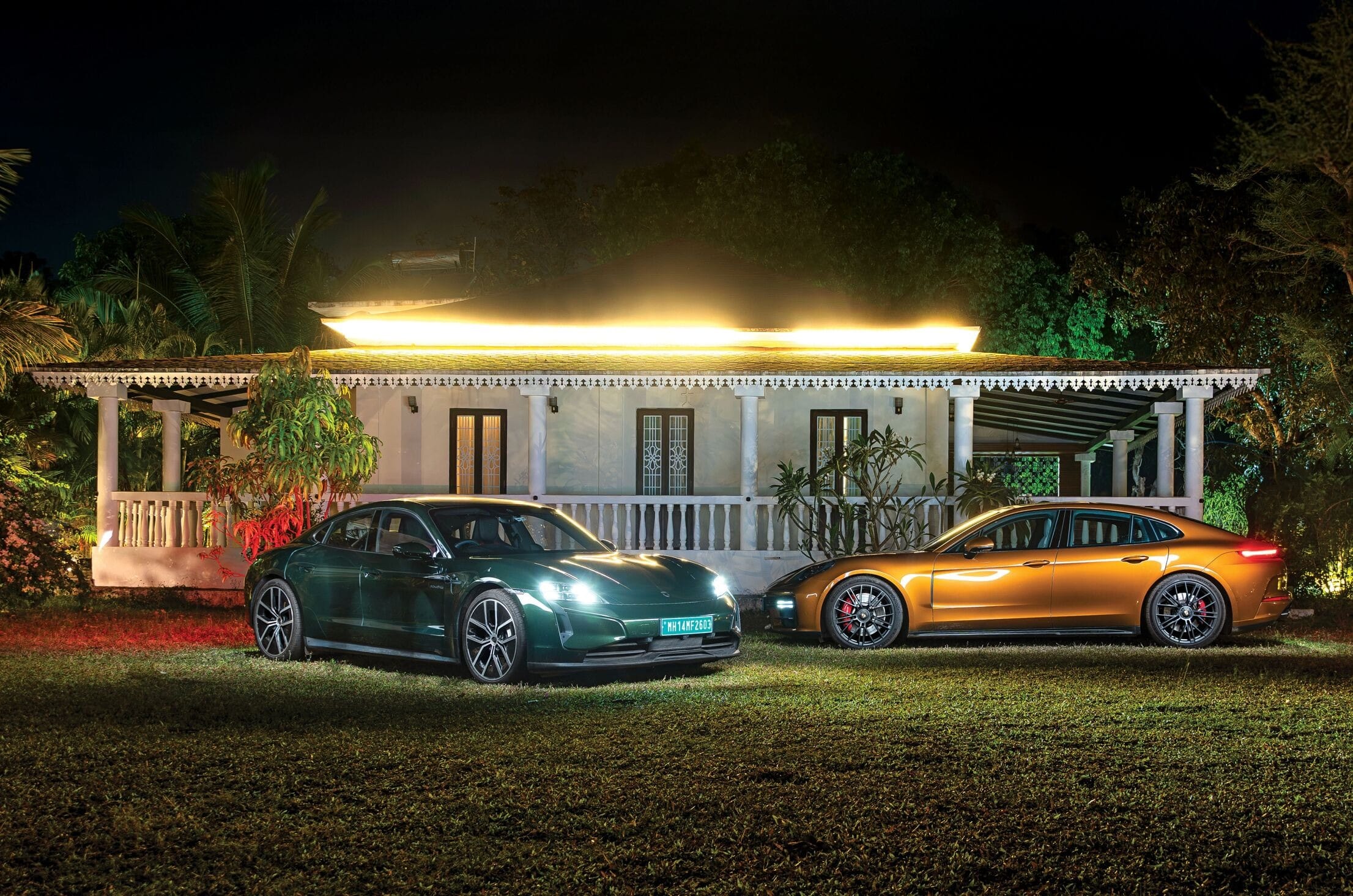
But the biggest surprise was the Taycan Turbo itself. Yes, the performance is outrageous – far more than you’ll ever realistically use. But beyond that, it’s the refinement, the silence, the sheer ease of covering distance that stands out.
I started this trip rooting for the Panamera. For the noise, the drama, the theatrics of that V8. But somewhere along the way, the Taycan quietly won me over. And when it was time to drive back from Goa to Mumbai, there wasn’t even a discussion. I took the key to the Taycan. And didn’t give it back.