
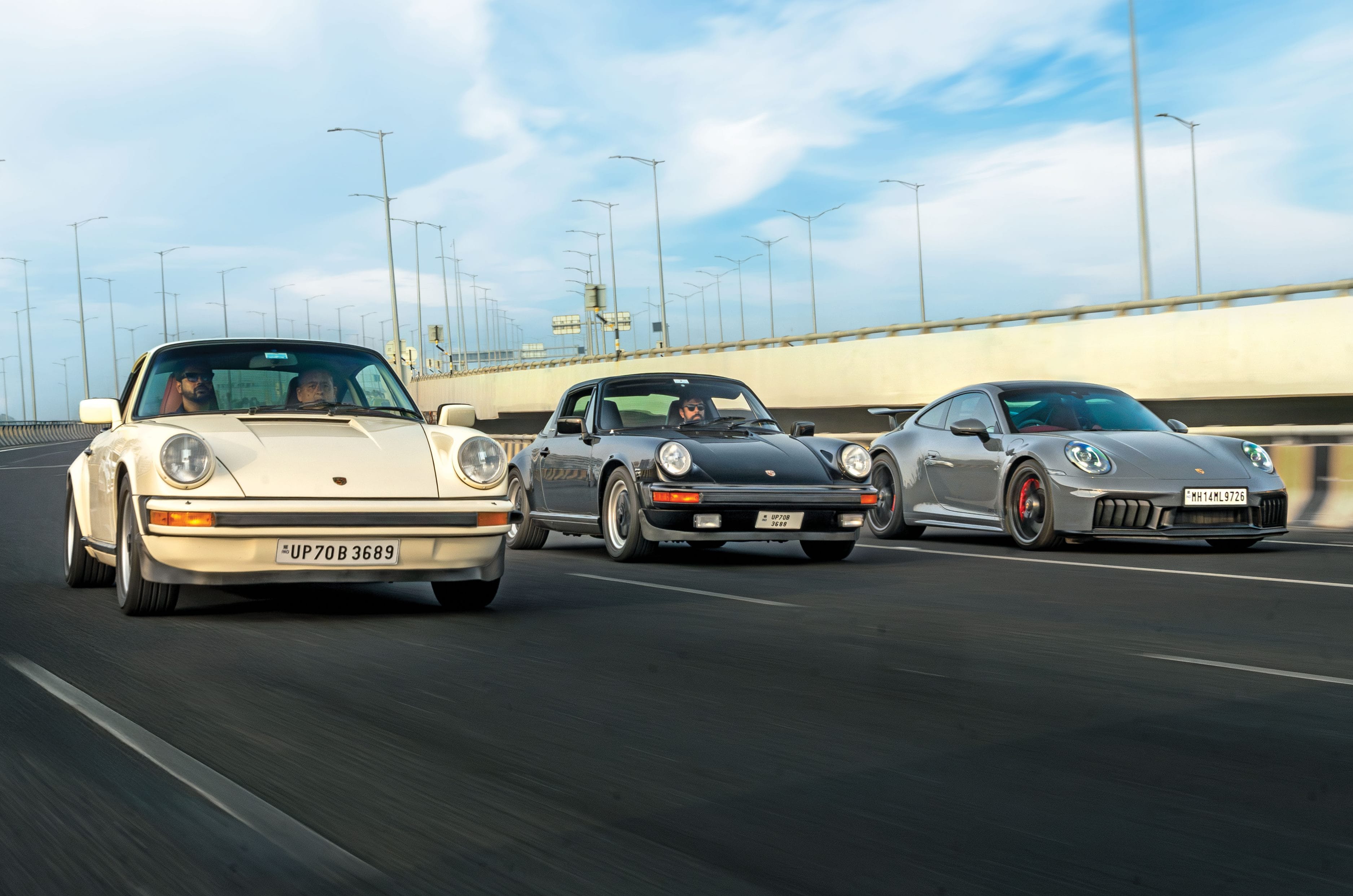
Indulge me, if you will. First, please get off your chair and onto a cushion on the floor. Now stretch your arms and legs out, as if resting on an imaginary steering wheel and pedals. Then visualise being surrounded by the tight-fitting cabin of an early 911. No, no, not that large; smaller, much smaller. Early 911 cabins are only barely wider than those on a gen-one Mini. Then, up front, imagine a pair of tyres connected to the steering wheel by only a set of mechanical levers. No power assistance needed here. And finally, a foot or so behind you, placed low, Porsche’s big three-litre air-cooled flat six. Do this, and you’ll quickly grasp the essence of a G-body 911 – nothing less than a go-kart with a big flat-six engine slung out the back. Built around a slightly wider body with larger-capacity engines, the G-body 911s represented a significant step forward for the Porsche 911.
Air Time
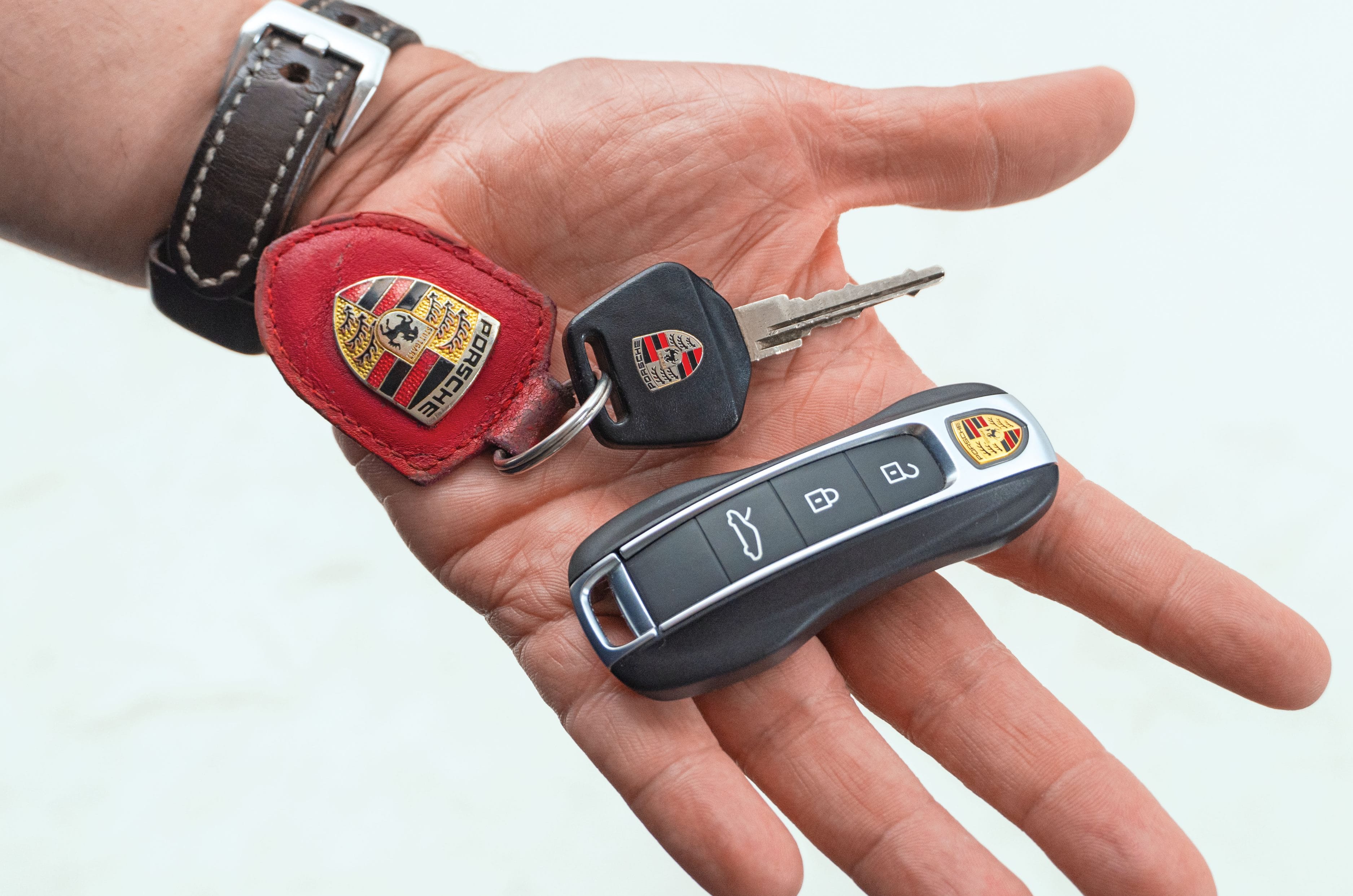
As I slot the key in, left-handed, and twist it against the spring, something incredible happens. There’s an explosion of mechanical sounds. A fat-piped chainsaw fires up in the back BRRAAANNN, BRRAAANN. Oh my god, if a machine ever felt alive. I pump the accelerator just to hear and feel it again, how can you not, and it sounds just delicious… the clickly-clack of the cams, the deep blat of the short exhausts, the growl of the motor in the midrange, all overlaid with a delicious raspiness. And with no water jacket insulating the pistons, this air-cooled engine just rocks.
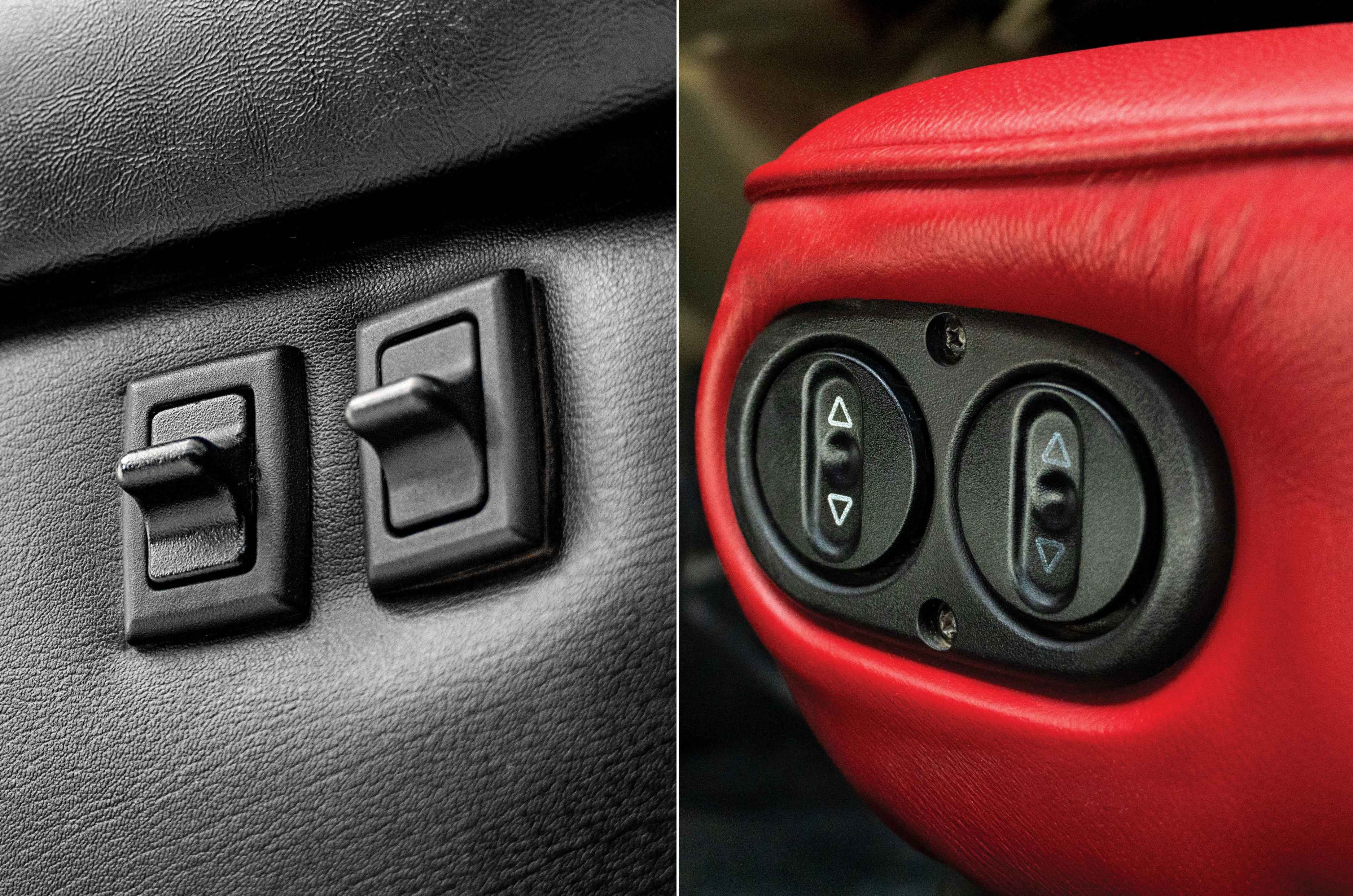
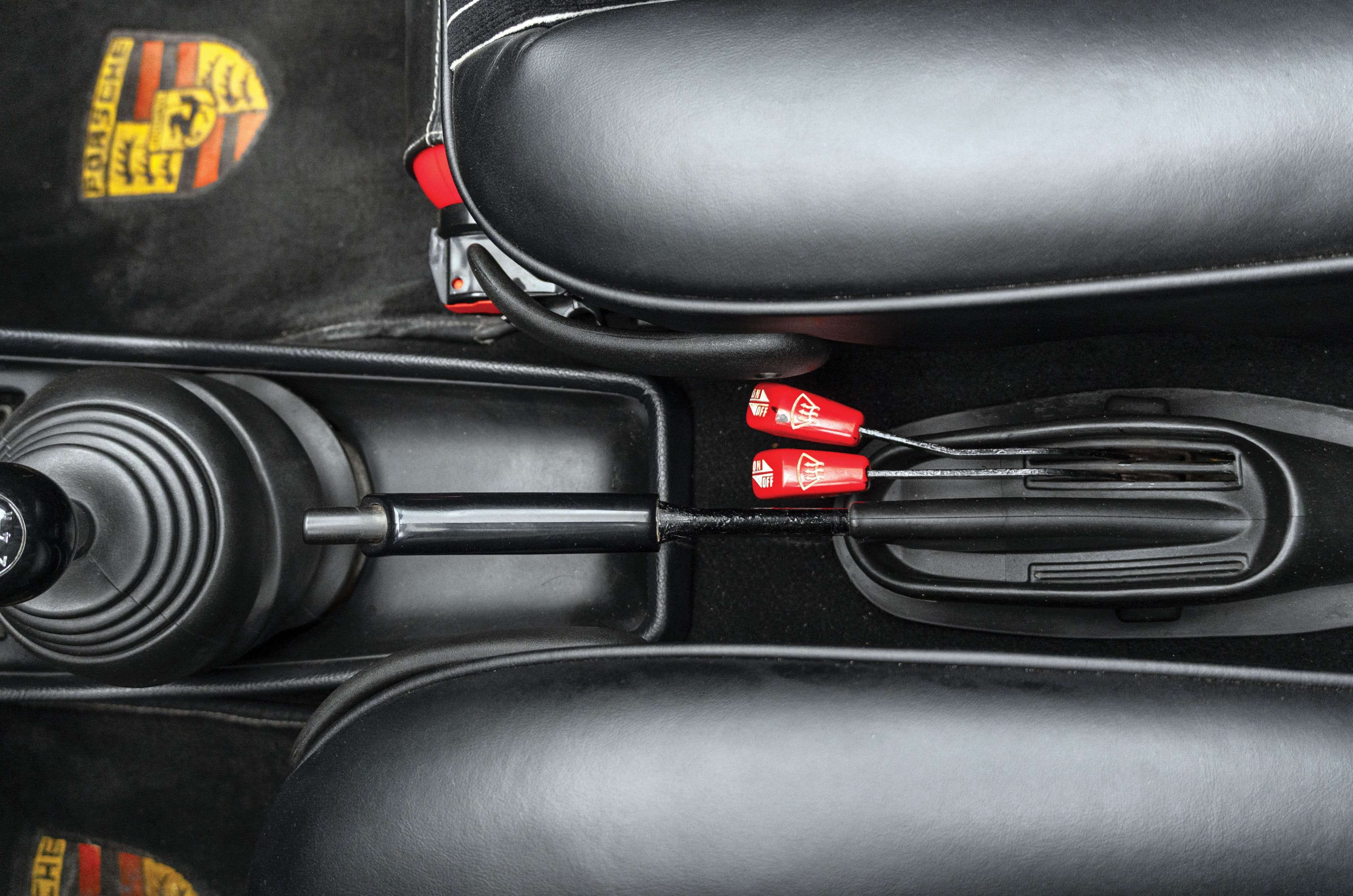
The road ahead is empty. I pull the door shut, and it closes with a loud ‘clack.’ This is a German car from the ’70s, after all. Looking around the cabin also gets me going ‘wow’. The cabin has some really cool details. The seats, with their extra support, look stunning, Porsche’s brilliant white-on-black five-dial instrument panel hits the spot, and then there are the rotary door locks that are unique. Also, where’s the defrost button? A lever sits near the handbrake! Quirks and features delight.
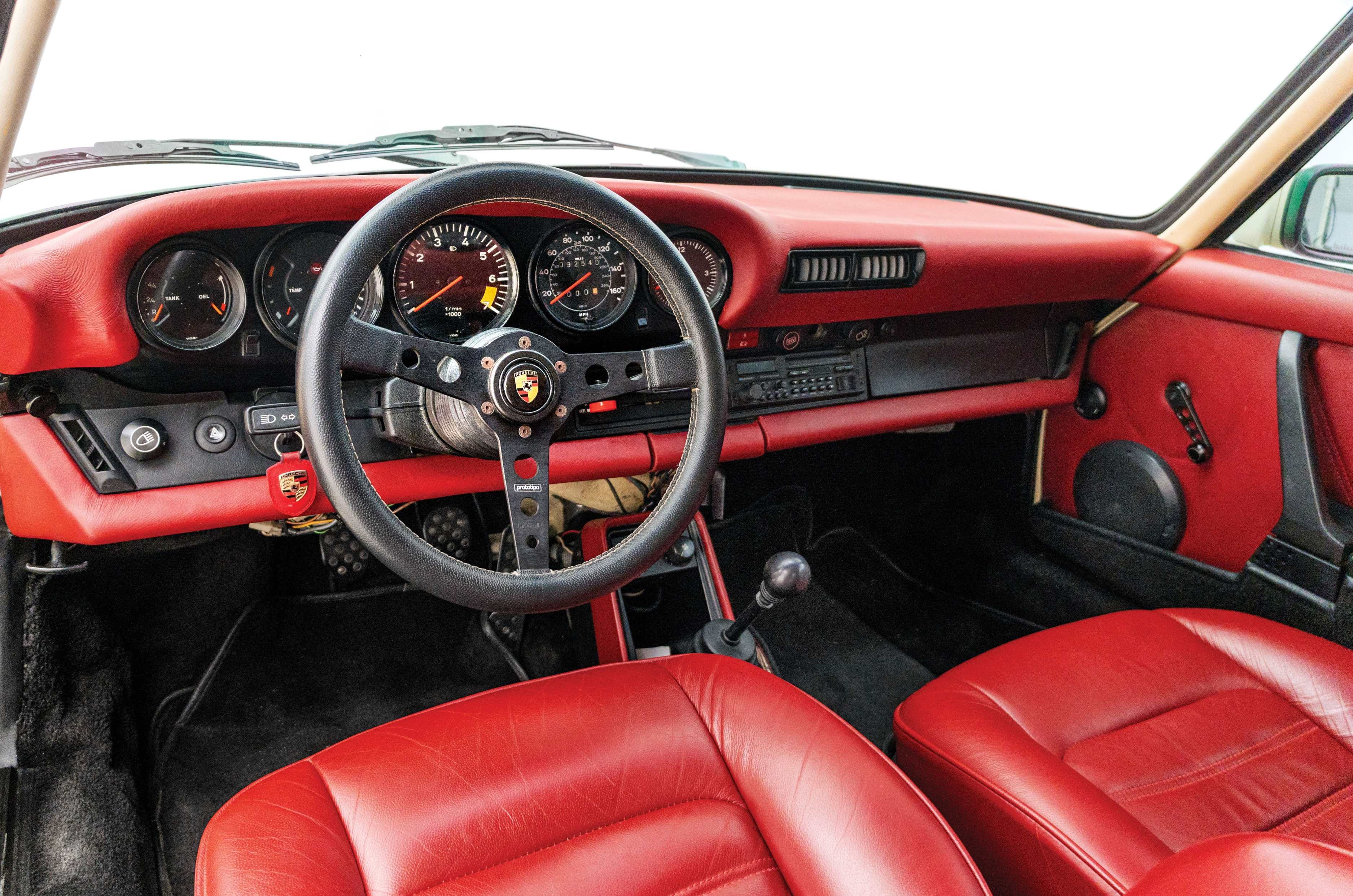
As I select first with the angled manual lever and take off, there’s a mild flutter around 1,500rpm. But once past 2,000, the fuel-injected engine smoothens out and begins to sing. Every pulse, every tick, every fan whirr is felt and heard in the cabin. This car has the G50 gearbox, which I later find makes a world of difference to the driving experience. It’s weighty and precise, like a rifle bolt, and then going across the gate and double-declutching only adds immeasurably to driving pleasure.
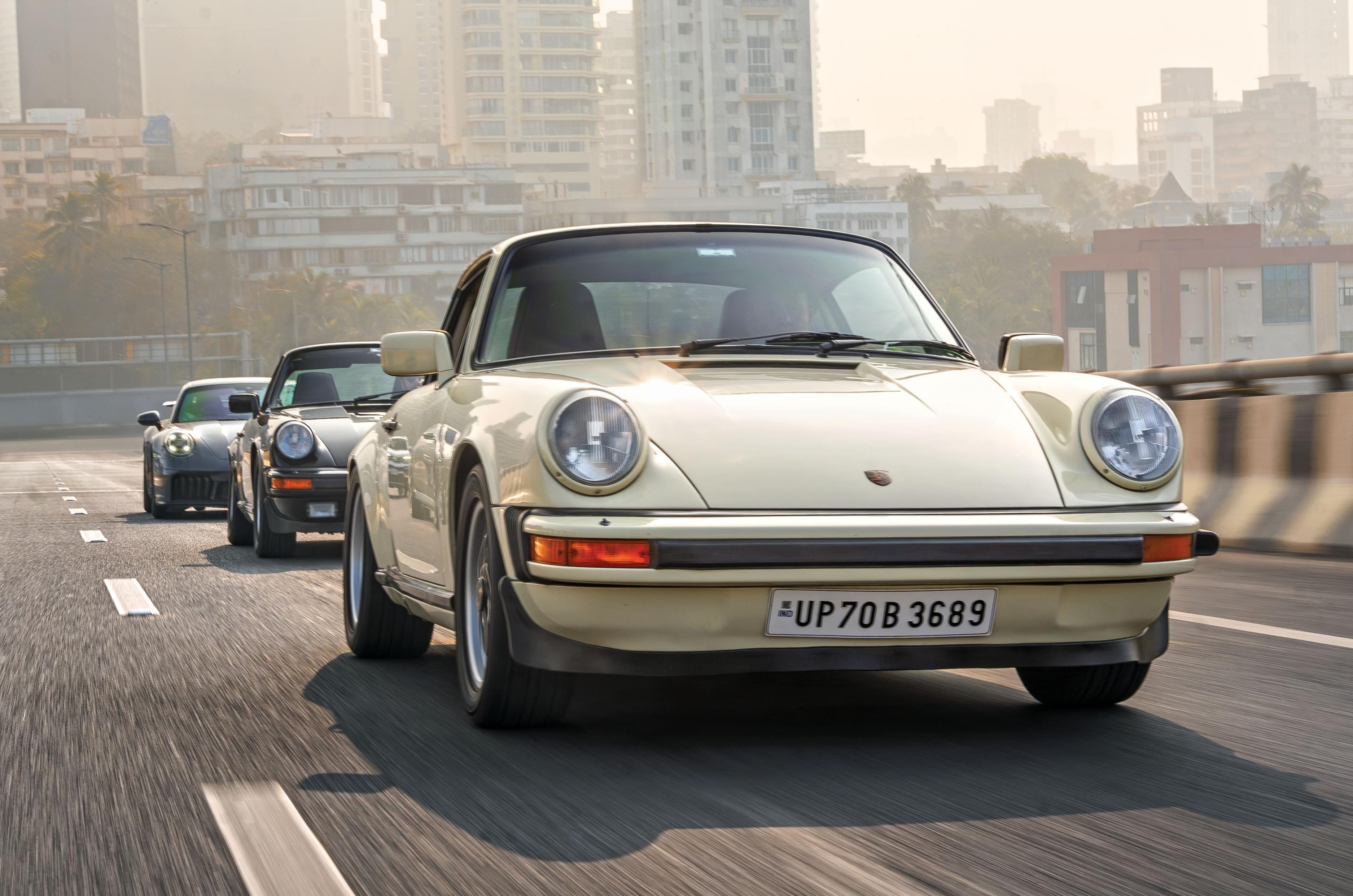
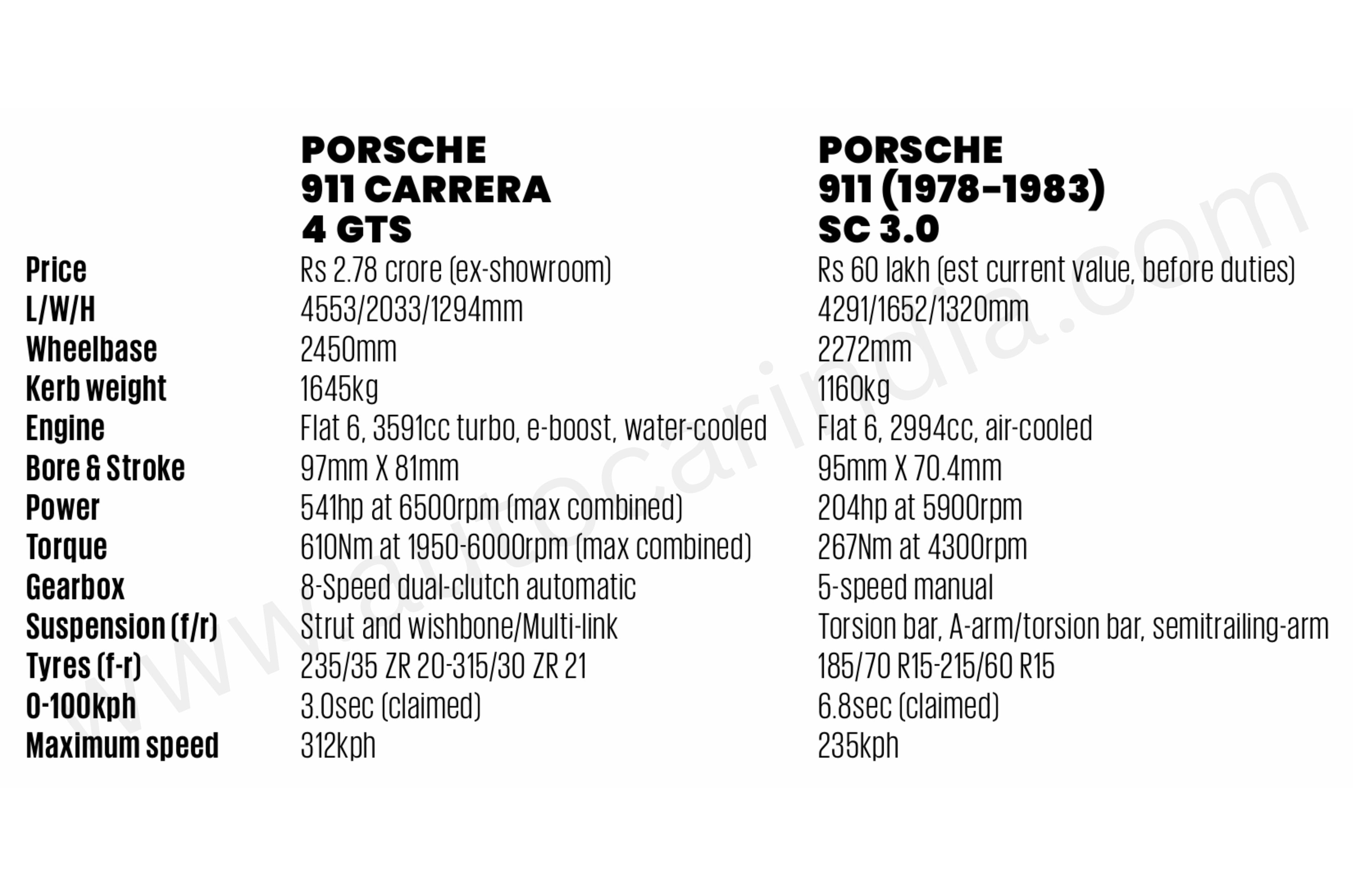
The intimacy with the engine and the mechanical feel, is something you just don’t get today. Also, once in the midrange, the 3.0-litre engine with roughly 200 horsepower, feels surprisingly quick. There’s plenty of torque low down, and rev it hard and the tug keeps getting stronger and stronger. While 0-100kph is said to come up in six and something seconds, foot down, with the engine pulling hard to near 6,000rpm, this feels even faster. Sure, it feels quicker than it is because of its size, low stance and grip levels from the late ’70s. One thing’s for sure, this car certainly doesn’t feel 40 years old. The mechanicals feel as tight as a drum, there are no squeaks or groans, and that sure encourages me to drive it with more vigour.
Dance, Dance
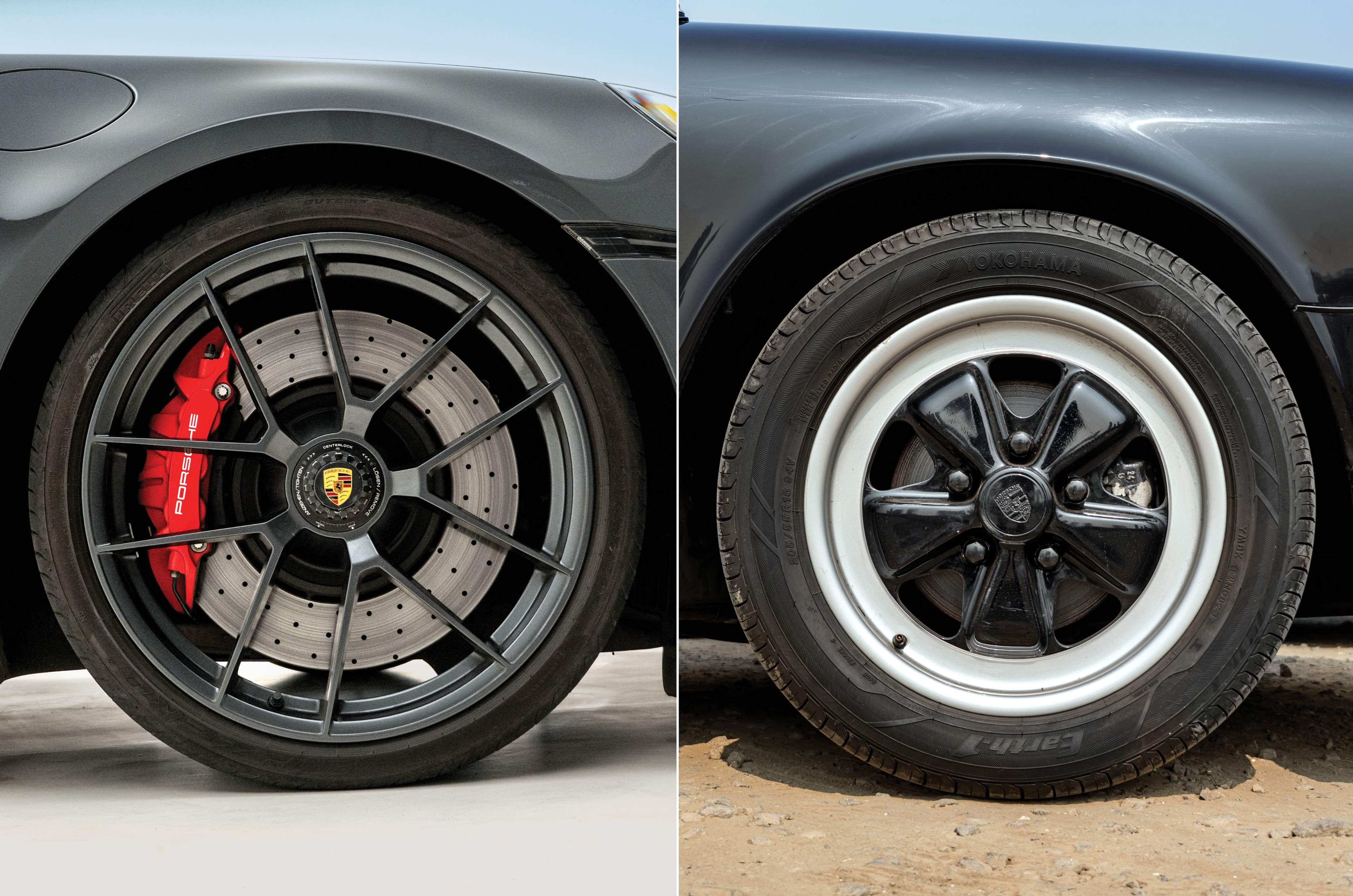
Driving the 911 SC in corners is, however, not about speed. It’s about the purity of the sensations. About feel. About your hands, feet, and seat picking up a steady stream of raw information from the car. You can feel the weight progressively transfer, the balance of the car shift and the tyres begin to lose grip. This is because there’s no insulation or isolation from what the car is doing, so every micro move it makes gets conveyed to you.
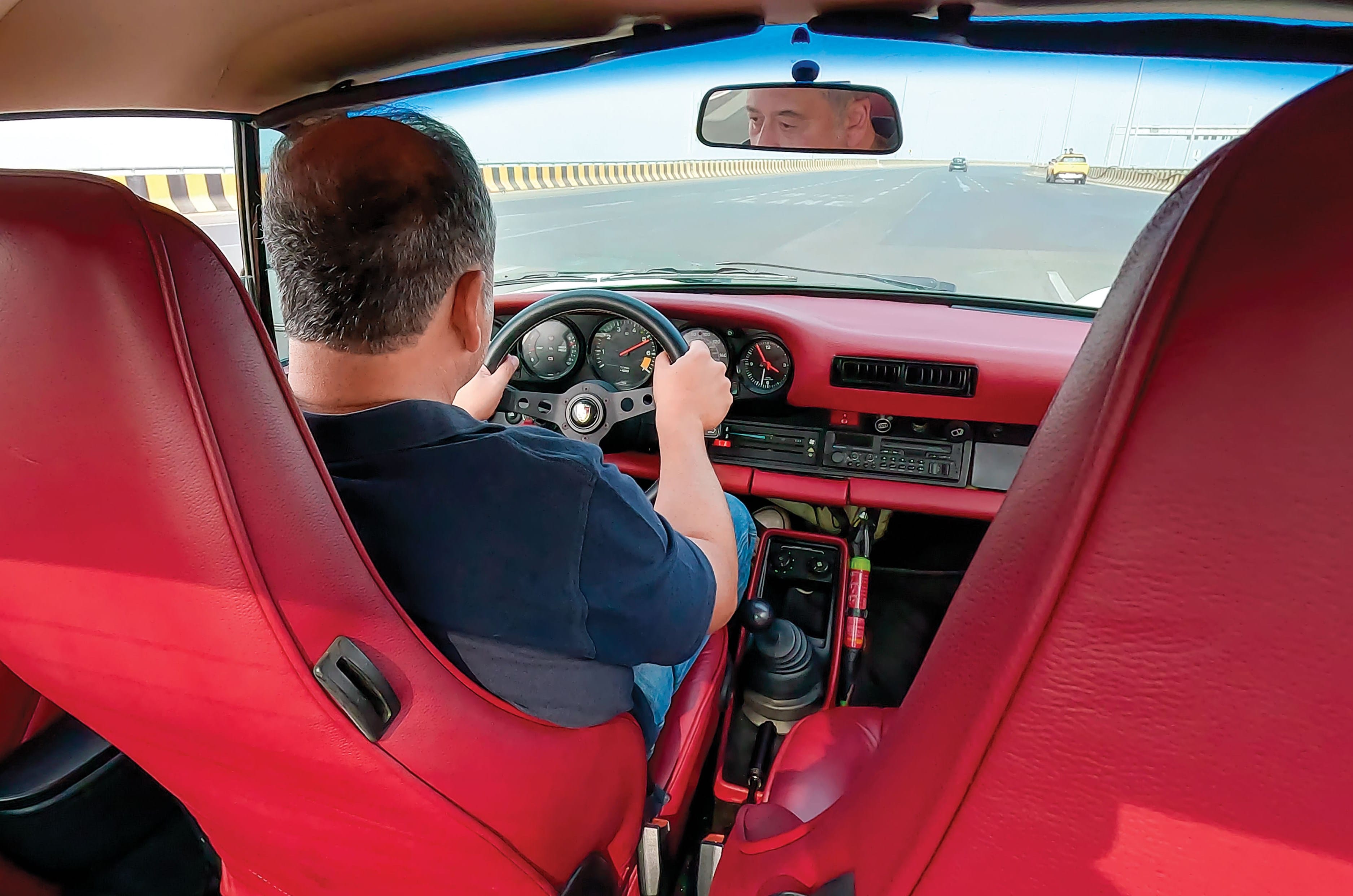
At first, the unassisted steering feels a bit light. But turn the SC into a corner, and it loads up perfectly, conveying the forces currently being exerted on the torsion bar suspension all around (that’s right, no coil springs here). Fun fact: it was Ferdinand Porsche who part-patented the torsion-bar suspension in 1931, specifically to save space and weight.
Even better, every small input you make on the steering wheel and pedals alters the course of the car. And the smoother you are, the better you control the weight, the more predictable the trajectory of the car gets, allowing you to carry more and more speed. Get the entry to the corner right, and the traction on exit is fantastic, enabling you to put down more and more power. Wow, this is thrilling!
Into The Looking Glass
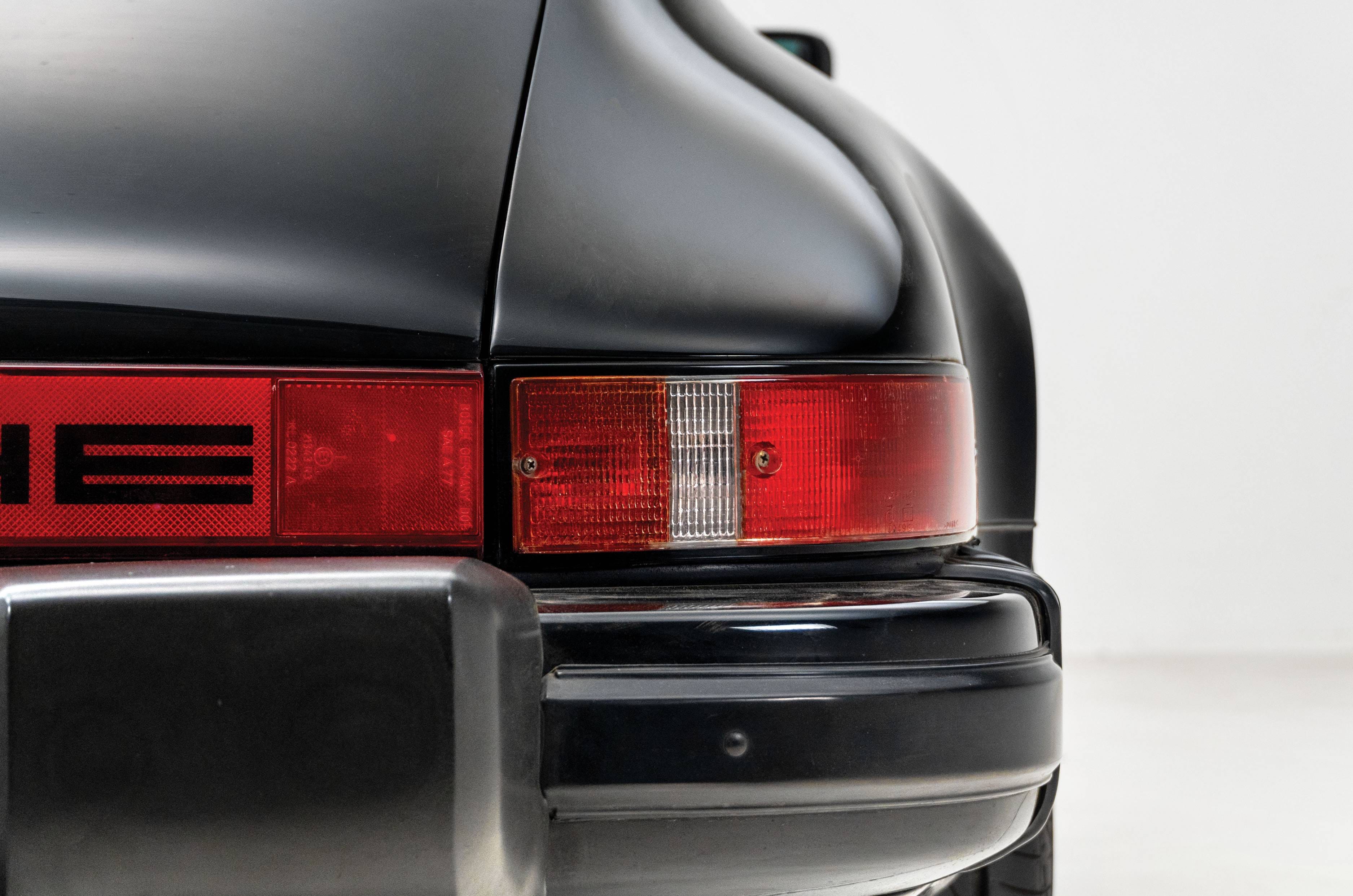
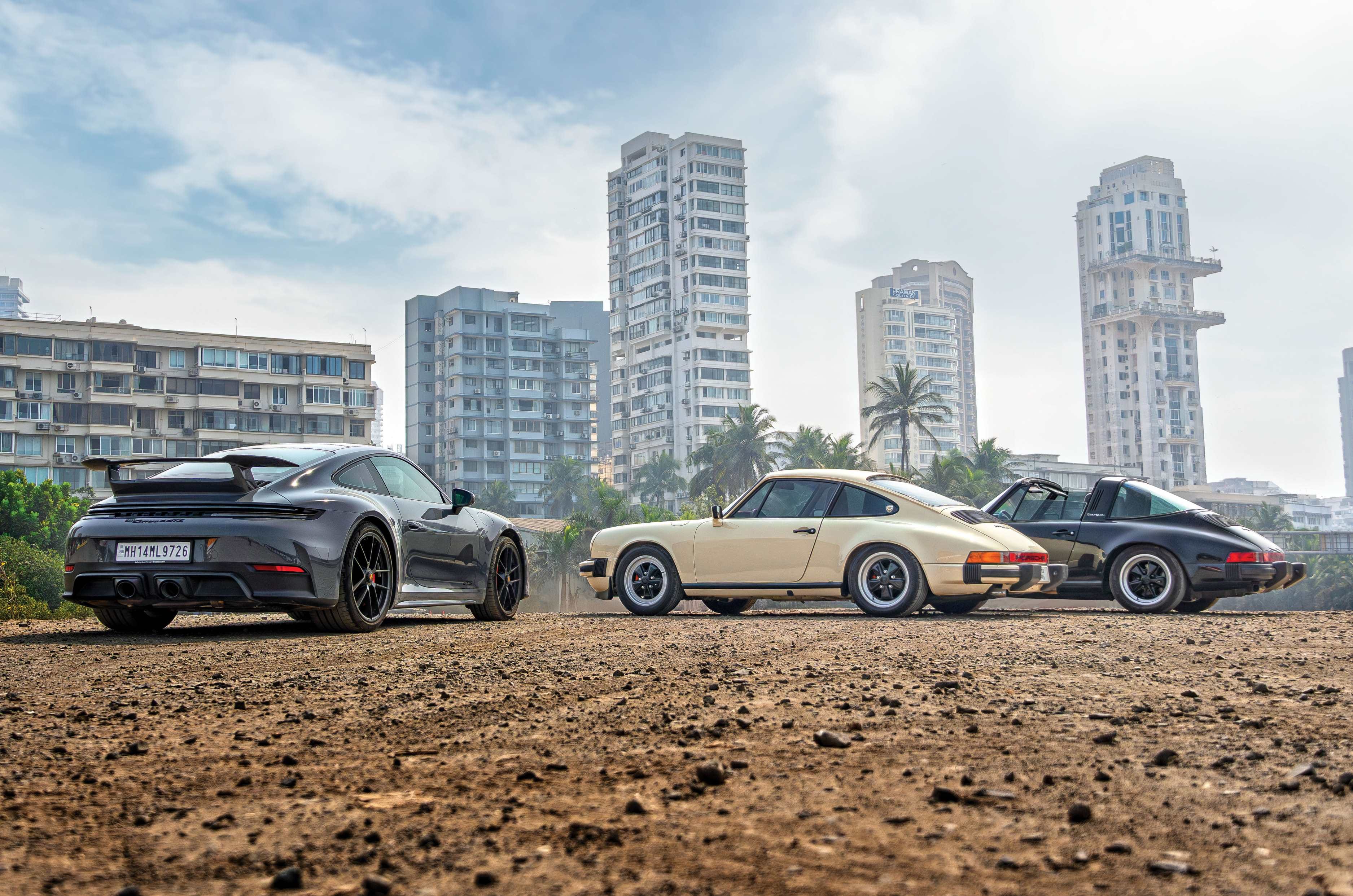
As I park, climb out, and look back at the car, I involuntarily reach for my phone. Thump, thump, thump. OMG. The curved haunches are timeless, the details get me smiling, and then there are the spot-on proportions of the G-body. The American five mph bumpers, the black extension up front, the accordion bellows on the side and the square rubber blocks at the rear aren’t everyone’s cup of tea. But I like them on this generation of 911, especially on the vanilla-coloured coupé.
It was also legislation in the US that made Porsche think up a car like the black Targa. New rollover protection laws yet to be introduced threatened to ban convertibles that, at the time, were unsafe in rollovers. And the glass back of the Targa and the solid roll bar were the solution at the time for Porsche.
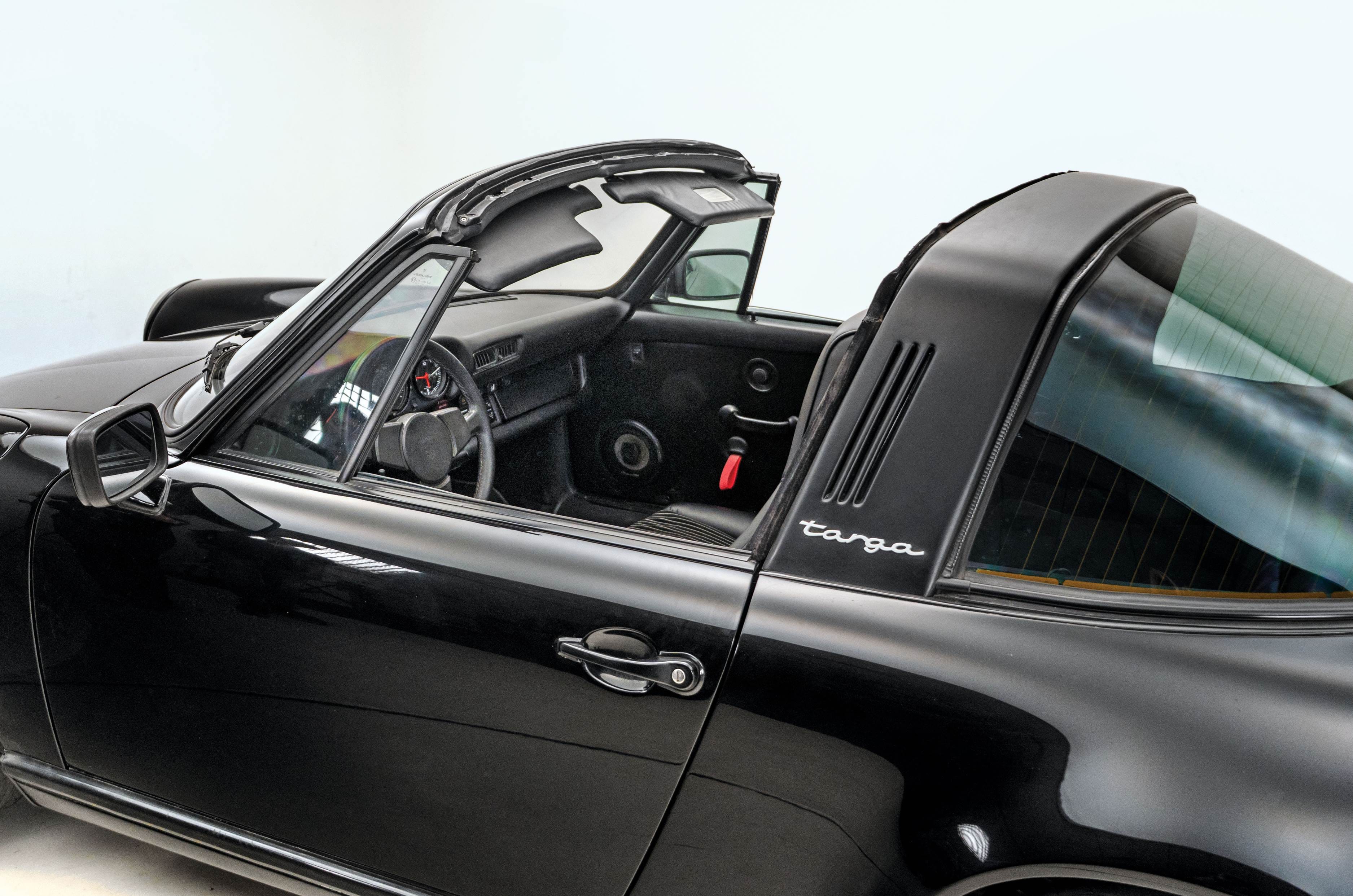
The Targa is similar in some ways to the coupé from behind the wheel. The engine fires up with a similar snarl, a bit louder here, and pulling away is just as engaging. The gearbox on this version, however, is the dreaded G15, in that it is hard work. To execute a perfect shift, you have to be precise, slow and get it just right. This means initially you are just hunting for gears. And often they just can’t be found. Later, I resort to rev-matching and pushing the gears in after a pause. And that’s how you have to drive this car. What I’ve also been reliably informed of is that it doesn’t get much better than this, and it’s the driver who has to learn and adapt. Have to say not even Tata or Mahindra in the early days had a ’box this bad. The Targa, of course, also has the same ripping chainsaw flat six at the back, and that makes it just as fun once you are in your gear of choice. The open top, however, means the chassis is nowhere as stiff, and the agility and precision of the coupé just isn’t there.
Twin Charger
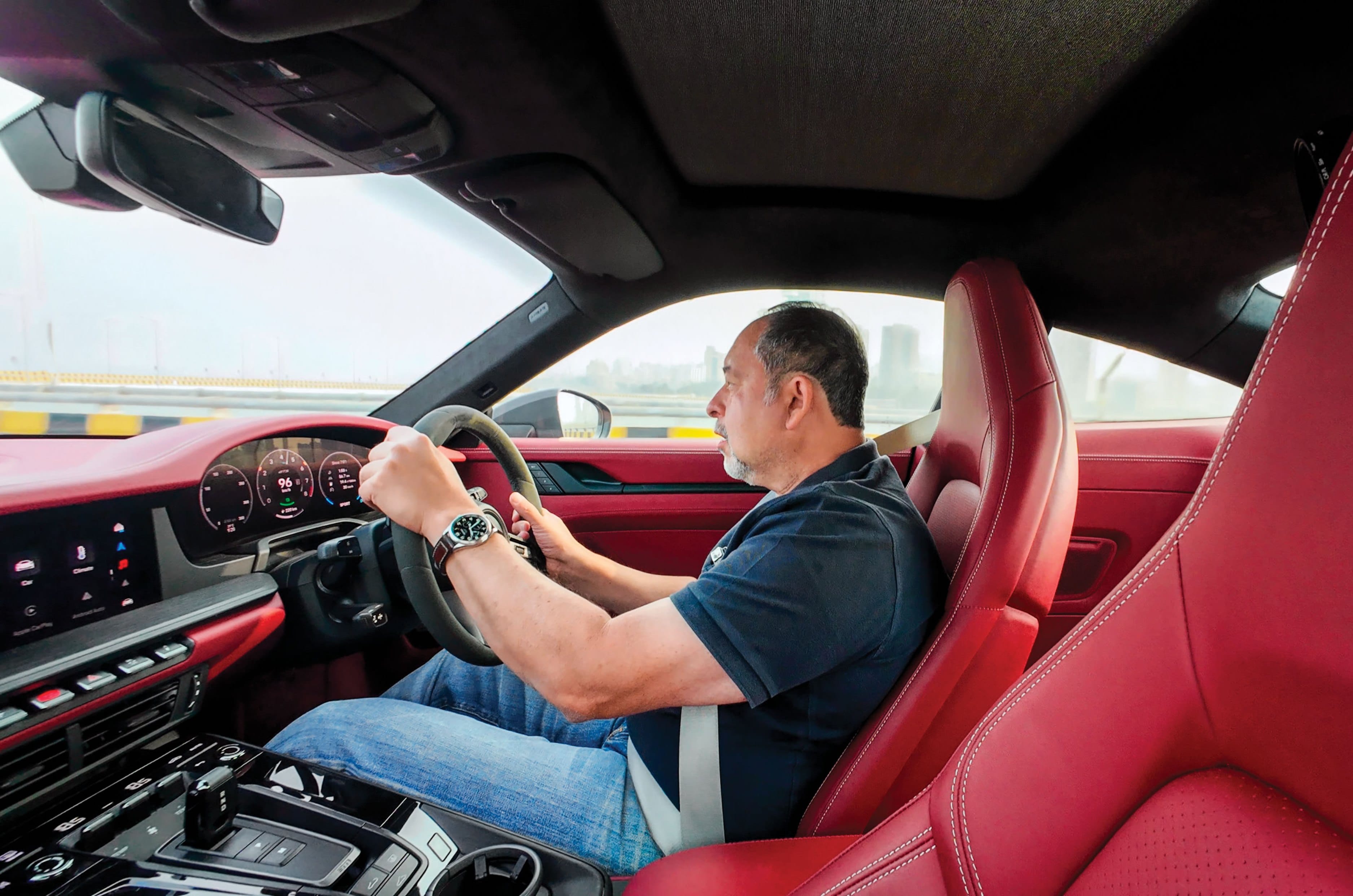
Sliding into the new 911 Carrera 4 GTS, I can’t help but immediately compare it to the G-body. Whereas the SC’s cabin is so tight you practically feel like you are wearing the car, the GTS, in comparison, feels massive. Clearly more spacious, more refined, and loads more insulated, it clearly is scaled up. And while you still get a flat six, slung out the back on the GTS, the electrically boosted, turbocharged, water-cooled engine is worlds apart from the air-cooled one in the SC. The GTS engine even runs a perfect stoichiometric ratio, not deviating even when under load from the 14.7:1 air-to-fuel ratio.
The Carrera 4 GTS also delivers its 541 horsepower and 610Nm with an urgency that’s scarcely believable. Power comes in WHAAAM, especially when you are in the midrange, and the car just explodes forward if you mash the accelerator. The seamless hybrid torque fill, the big boost from the electrical turbo and the hit of acceleration feel explosive. The GTS, with launch control, halves the 0-100 time of the G-body SC and does the same sprint in three seconds flat, a figure that would have seemed absurd in the era of the G-body.
What Porsche has also done really well is tune the sound of the engine acoustically to sound like one of its air-cooled flat-six engines. This is especially true at mid and low engine speeds, where the blats, growls and chainsaw rips make even driving in a relatively relaxed manner hugely enjoyable. Sure, the sound is distinct from the air-cooled cars, but there’s still plenty here that reminds you of the earlier car, helps identify it as a Porsche flat six.
It feels much more grown-up in corners. While every sensation in the G-body feels raw and unfiltered, the GTS, in comparison, feels almost inert – no apparent weight transfer, no feeling of a block of metal placed low in the rear. Lean on it, however, up the pace, begin to brake hard before you get into corners and start accelerating out with resolve, and something almost miraculous happens. The GTS seems to wake up and remember it’s a 911. And then, you can feel that weight moving, feel the center of weight shifting forward as you brake and back again when you accelerate, and that gets me smiling involuntarily again. Sure, the front axle chimes in, the brakes don’t deliver loads of feel initially due to the regen, and you are aware there are several layers between you and the car – both physical and electronic. But as confidence builds and I go quicker, the rear-engine coupé emerges. This clearly is still a 911, the sports car with the engine in the back, a car still capable of delivering incredible driving pleasure. And that is some accomplishment.
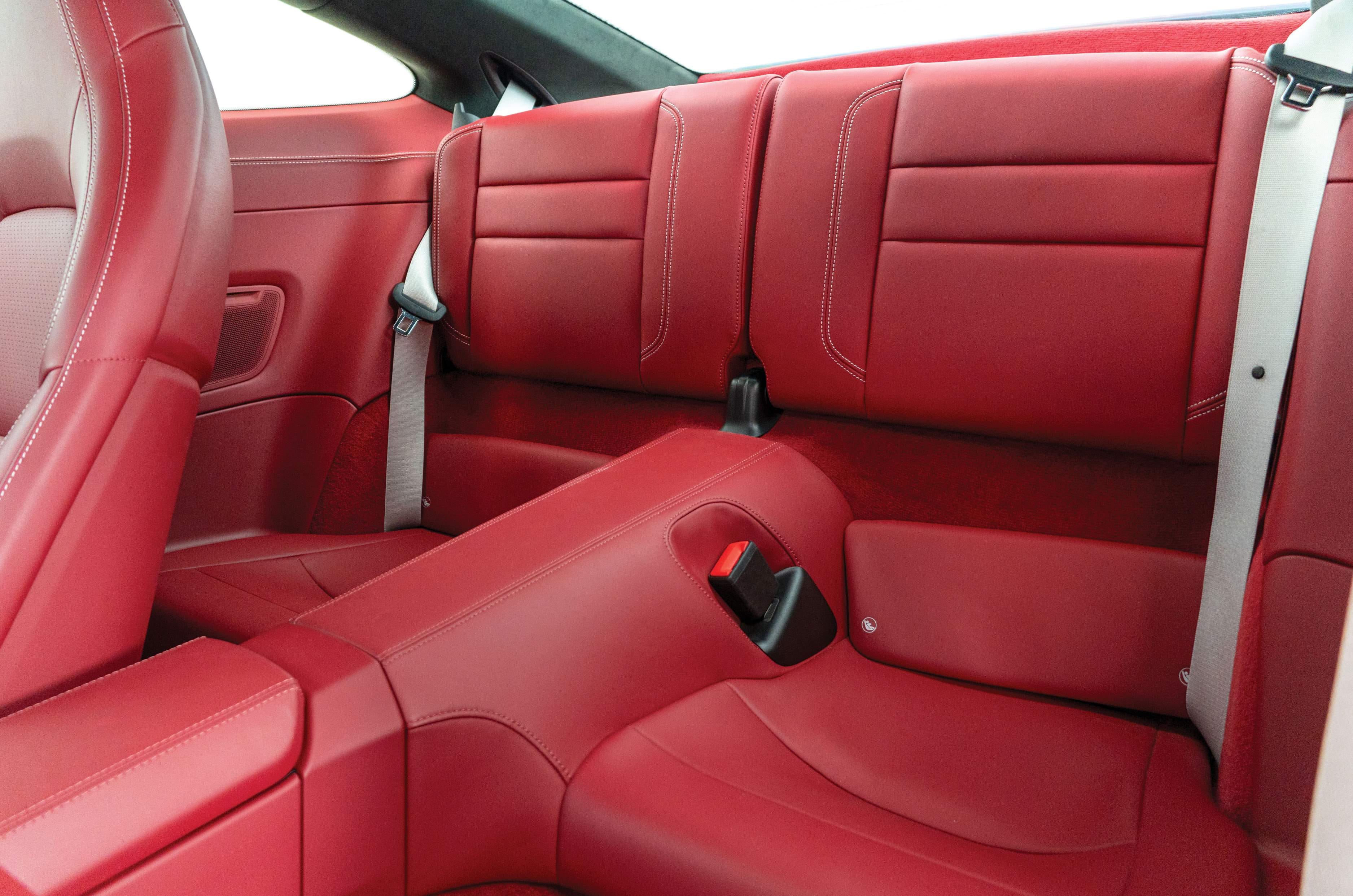
Do I wish they made it smaller, lighter, more compact? Sure. Especially after driving the SC. But what’s clear is that the Carrera 4 GTS proves, without the shadow of a doubt, that even with hybrid systems, the added heft and loads of driver aids and systems, the 911’s soul is still intact.
It may not have the raw mechanical charm of the G-body SC, and accessing the best bits may need more work, but on the right road and in the right circumstances, you can still hook it up and put a big smile on your face. Thank God some things never change.
Mezger's Baby
The 3.0 SC engine is a direct descendant of the original Hans Mezger flat six. The Type 930/03 is also essentially the same engine found in the first 911 turbo (930), minus the turbocharger. Using larger inlet ports and an increase in compression ratio, it makes more low-end torque than the earlier magnesium crankcase 2.7. The 3.0-litre is also an air-cooled, dry-sump engine. Around 10 litres of oil are stored in a separate tank, a large volume because these engines, to a large extent, are cooled by both engine oil and air.
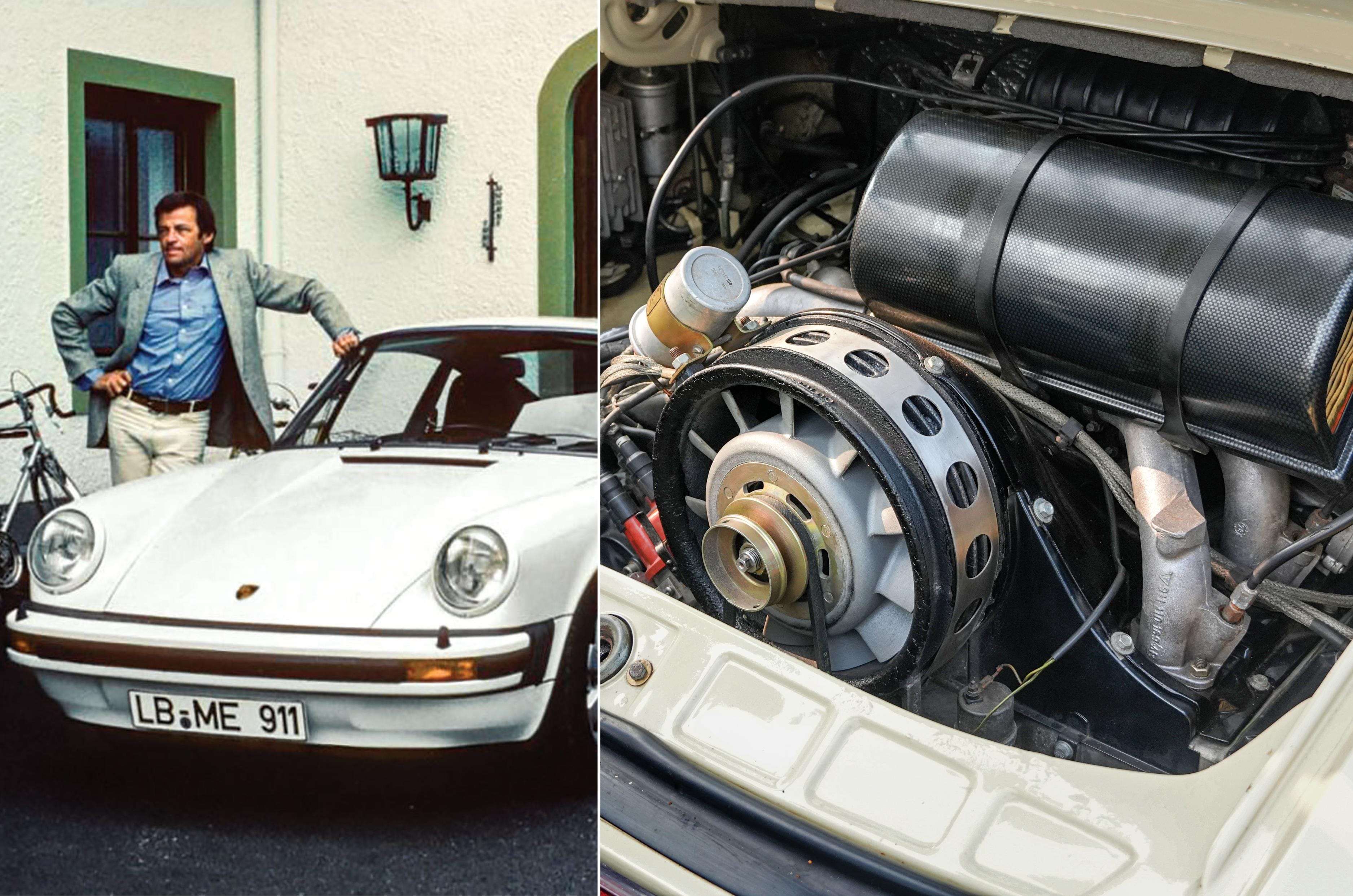
Porsche’s legendary engineer Mezger liked the 3.0 SC so much that he bought himself one in Grand Prix White; and kept it for the rest of his life. Says a lot, doesn’t it?


