
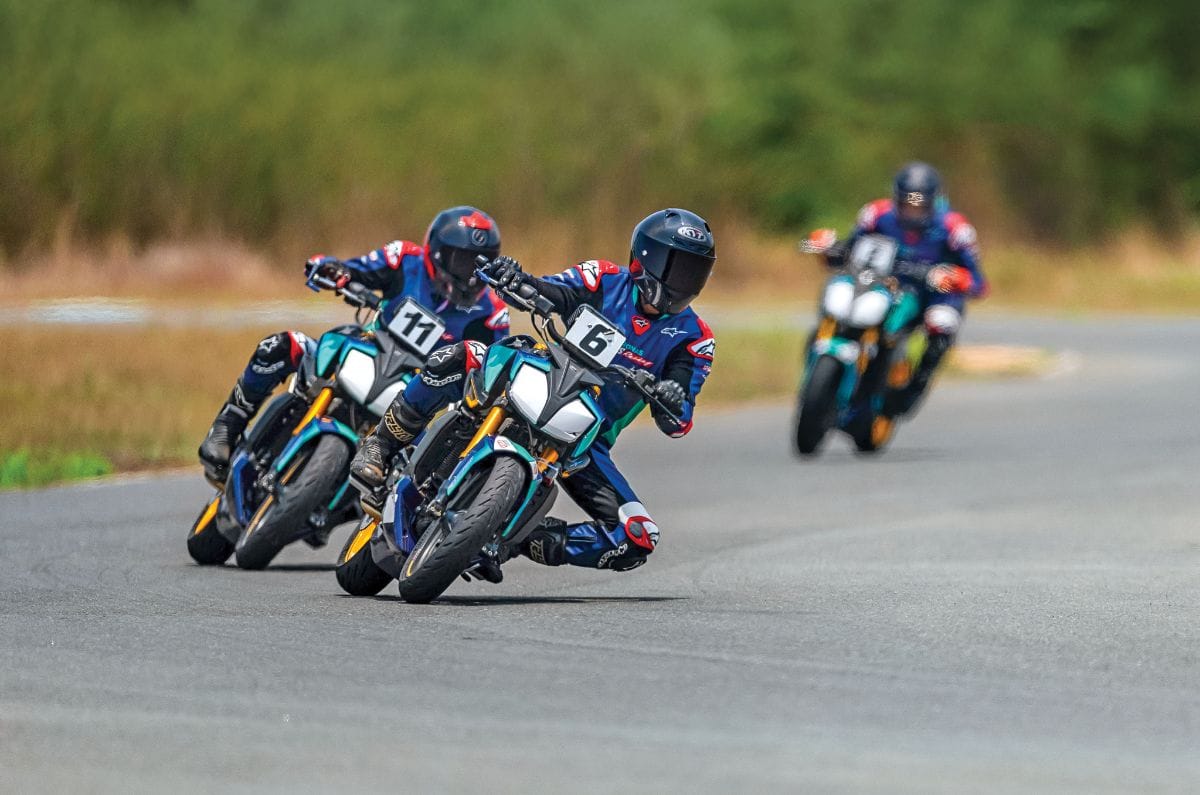
The road to a race win is rarely straightforward. Mine certainly hasn’t been. It’s been a mix of small highs, frustrating lows, and moments that made me question whether chasing the podium was still worth it. But every now and then, motorsport has a way of bringing everything together. And at the TVS Apache Racing Experience GP International at the Madras International Circuit, it finally did.
My first proper taste of racing came in 2020 with the TVS Young Media Racer Programme. It was a strong start, with two P3 finishes. From then on, the goal was clear: get faster, be more consistent and aim for the top step. Over the next few years, I took part in multiple media races, trying to build experience and pace. Not all of it went to plan. A tough phase included an underwhelming KTM RC Cup outing and a wildcard entry in the Royal Enfield Continental GT Cup that ended in a heavy crash and a hand injury.
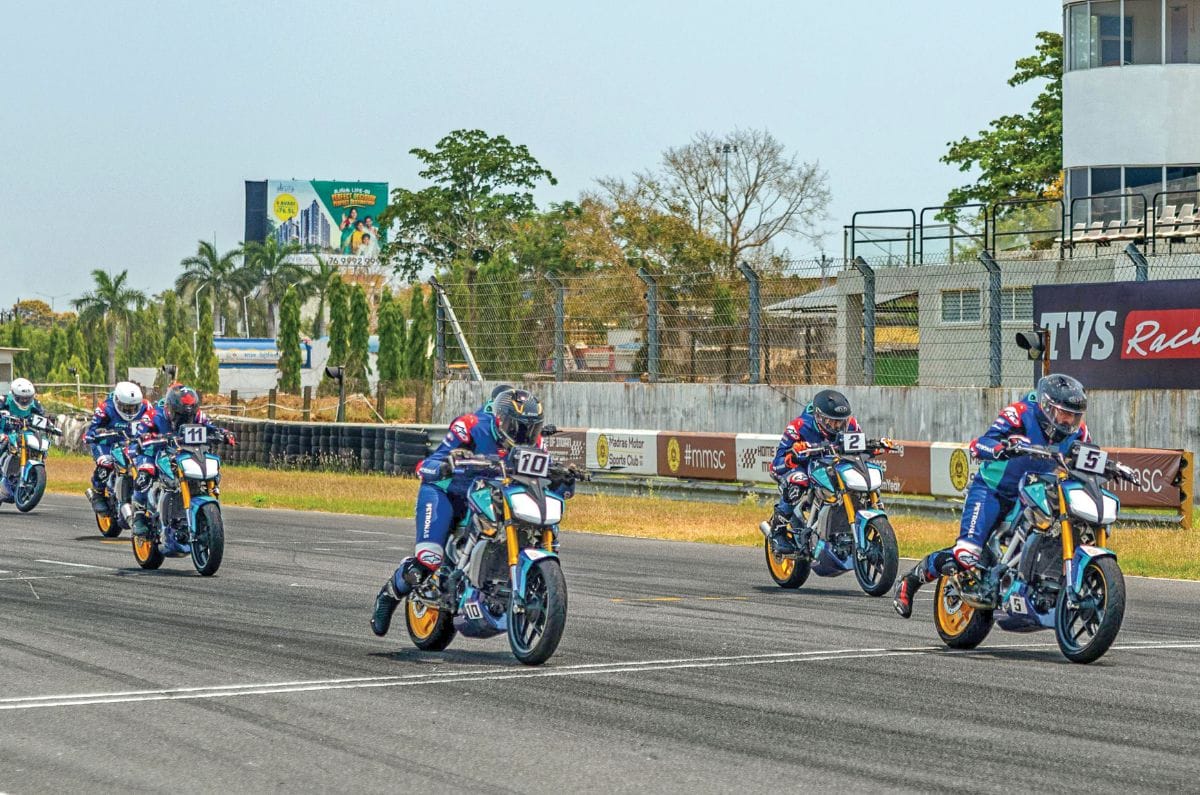
In 2024, I returned to the California Superbike School to refine my technique, and that seat time paid off. Later that year, at the TVS ARE GP, I managed a second- and third-place finish to secure P3 in the championship. It felt good to be back on the podium, but the win still remained out of reach. If 2024 ended well, 2025 began in the worst way. A serious road crash left me with both hands broken. For a while, racing didn’t feel possible. Recovery was slow, and even getting back on a motorcycle felt like progress. A few months later, I returned to California Superbike School, this time to see if I could still push myself. Gradually, the confidence came back.
That set the stage for the TVS Apache Racing Experience GP International. Based on my previous results, I was placed in the media expert category. It was a strong grid with fast, experienced riders. The bike for the weekend was the race-prepped Apache RTR 310. Saturday didn’t go to plan. Practice was more about understanding what wasn’t working than finding pace. That carried into qualifying, where I could only manage P5. Not ideal, and it dented my confidence going into race day.
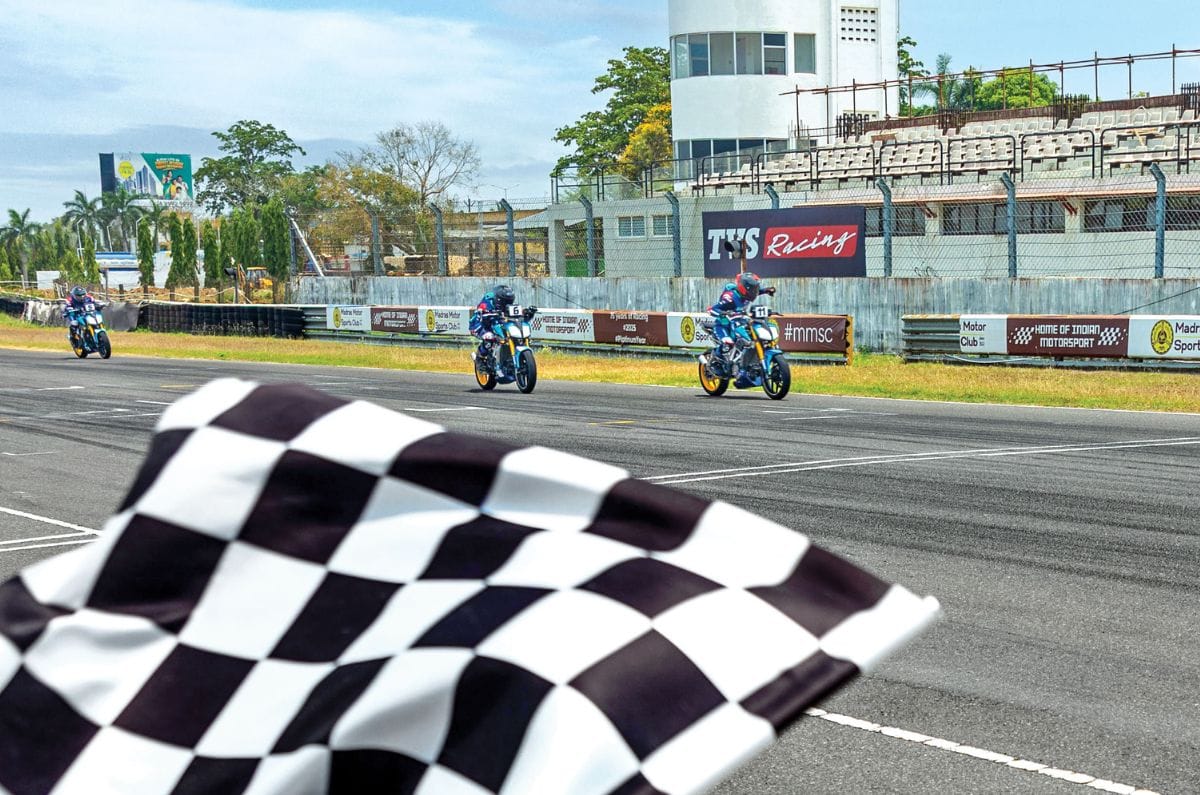
Sunday, however, felt different. Starting from P5, I decided to take things as they came instead of overthinking. When the lights went out for Race 1, I launched hard but popped a small wheelie, dropping me briefly to P6. Into Turn 1, I carried more speed, took a tight line and committed to a late move. By the exit, I was up to P3. That’s when it clicked that I was now in the fight.
Soon after, the rider ahead ran wide at Turn 2, promoting me to second. The leader was just ahead, and the gap stayed tight for a few laps. Then, on the final lap, he unexpectedly rolled off, thinking the race was over. I took the opportunity, went through and into the lead. The final lap was about staying smooth and mistake-free. Through the last sector, I held a tight defensive line and crossed the finish line to take my first win.
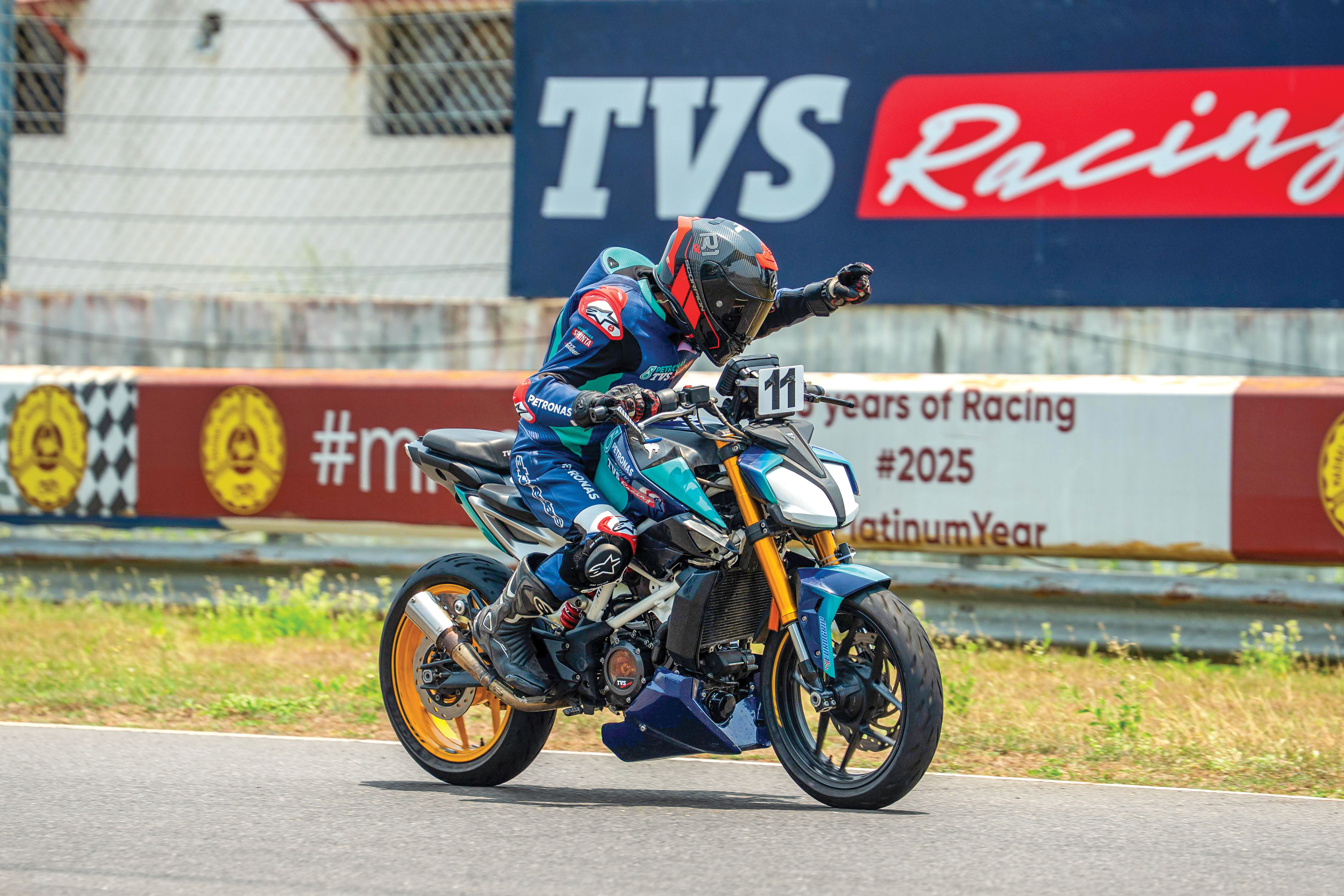
Starting from P5 made it even more special. But the job wasn’t done. That result put me at the top of the standings heading into Race 2. Starting from pole, the pressure was real. Once again, the launch wasn’t perfect, and I lost the lead. Into Turn 2, the rider ahead ran wide, handing me P1. From there, it became a strategic race. Another rider stayed right behind me, and we traded positions a couple of times. His riding grew aggressive, weaving on the straights to defend.
At that point, the bigger picture became clear. Fighting for the win wasn’t worth risking a crash and losing the championship. So instead of forcing a move, I focused on staying consistent and bringing the bike home. When the chequered flag fell, I crossed the line just behind him, and that was enough to seal the championship.
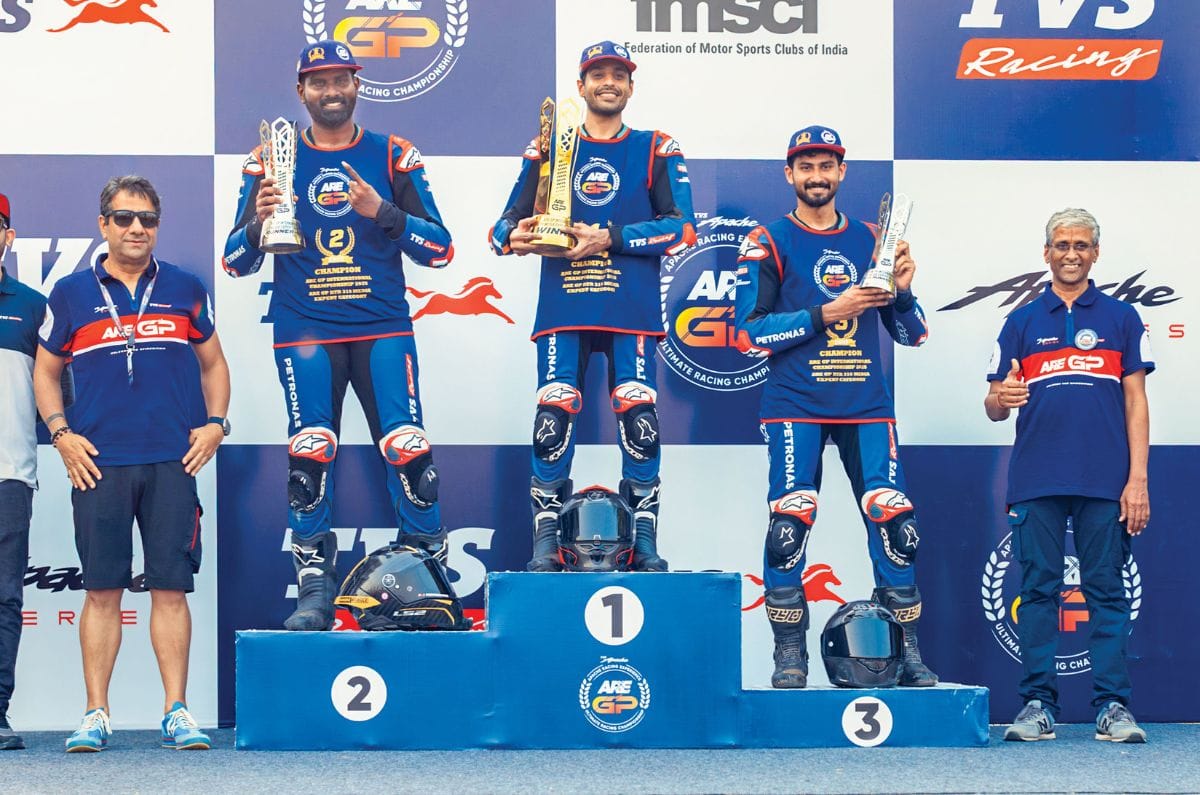
From a difficult Saturday to standing on the top step on Sunday, it was a weekend that had everything. But more than the win or the title, this one was about the journey it took to get there. And in the end, it wasn’t outright speed that made the difference. It was staying patient, making the right calls when it mattered, and mainly being consistent.


