
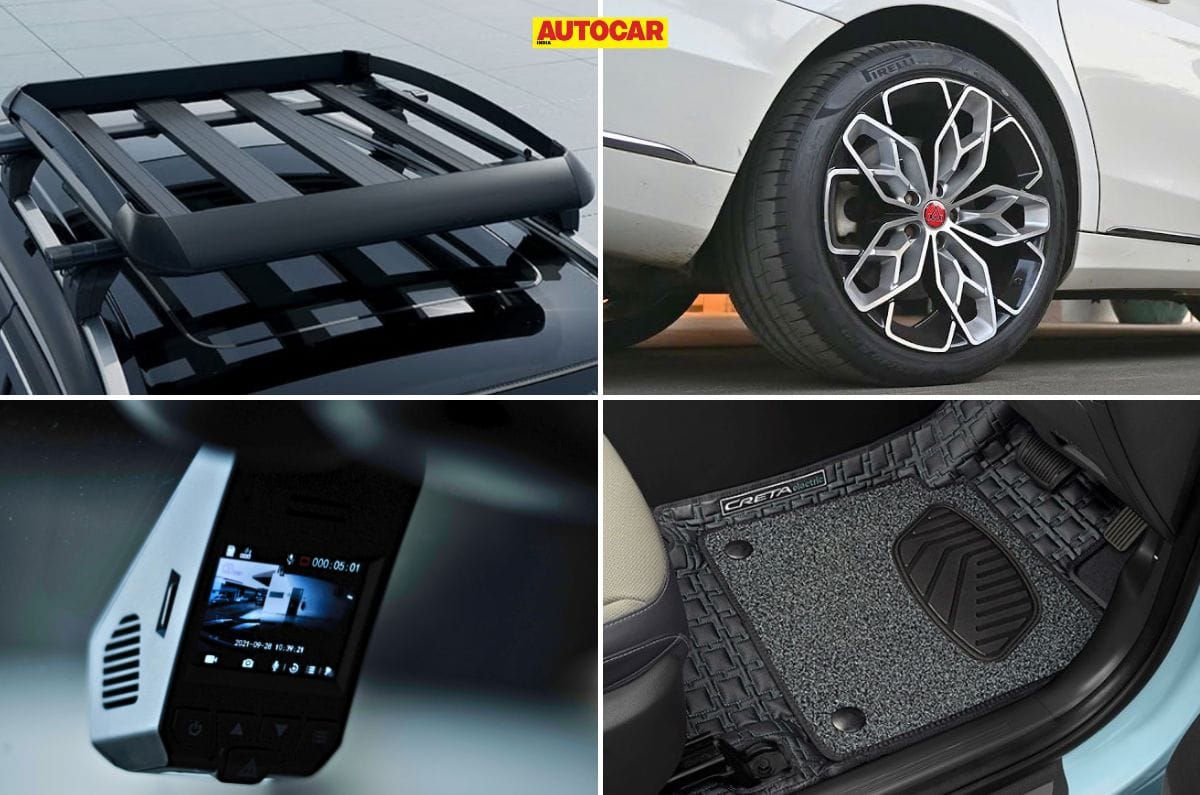
With the Kerala government recently legalising a host of aftermarket modifications and accessories, vehicle customisation has again become a hot topic among enthusiasts. But beyond the question of legality, car users are often confused about the implications of fitting an accessory on their car’s warranty. The good news, however, is that some accessories can be installed without violating the warranty clauses. Here’s a detailed account of such accessories.
Note: An aftermarket accessory does not void the car's entire warranty. If a component is affected by a modification, a manufacturer can only deny warranty claims for that component, meaning that the coverage for unrelated parts of the vehicle remains intact.
Decorative accessories generally do not affect a car’s warranty
Unless drilled or welded into the body, the warranty is not voided by a styling accessory
Accessories which are generally fixed to a car’s body without the need for drilling or making any modifications to the body, including door visors, bumper and door protectors, and mud flaps, do not affect a vehicle’s warranty. Spoilers and roof rails are also immune to voiding a vehicle’s warranty as long as they are not drilled or welded into the car’s body. Generally, all add-ons that are affixed to the vehicle with the use of automotive-grade adhesives, such as 3M tapes, do not affect a car’s warranty.
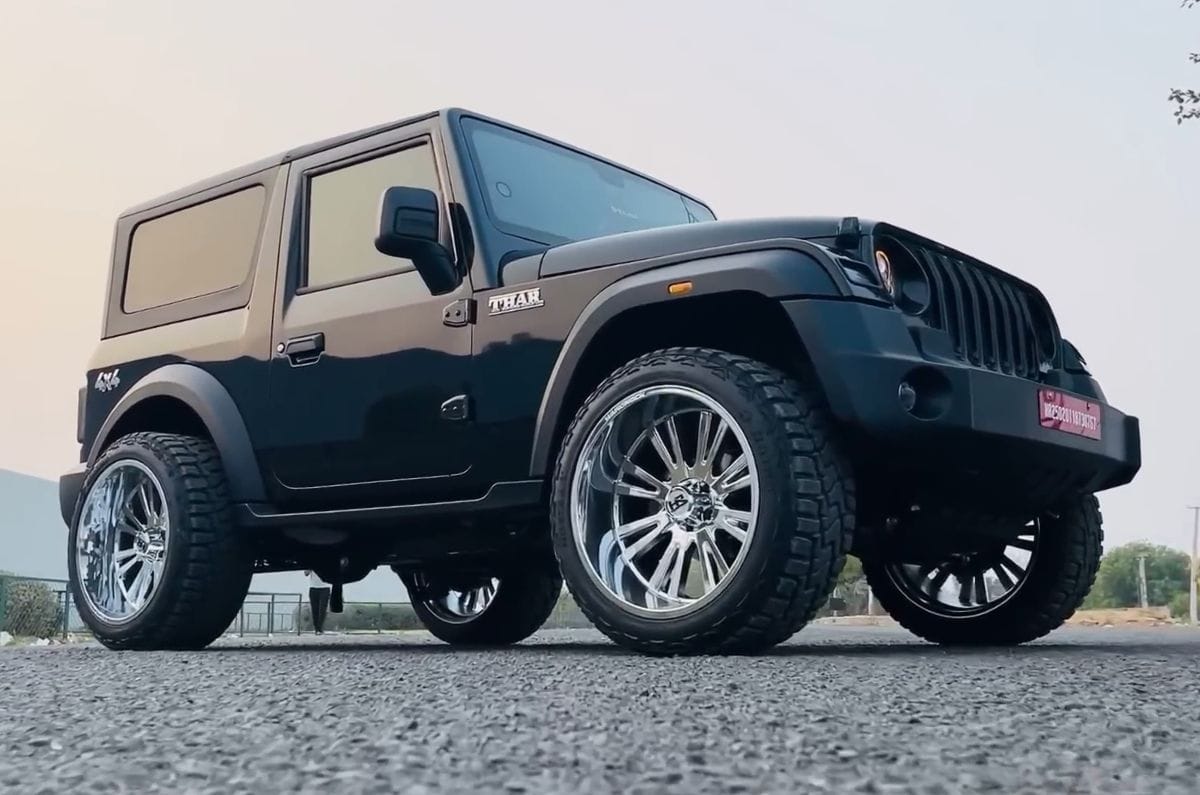
One of the most common things people do while customising a car is changing the stock wheels. Installing aftermarket alloy wheels does not affect a car’s warranty as long as you match the OEM wheel size. Upsizing, using wider tyres or installing wheel spacers, however, may cause mechanical failure and hence void the warranty.
Non-electrical interior accessories are generally immune to voiding a car warranty
Like the exterior accessories, aftermarket interior styling accessories do not void a car warranty. These add-ons, including seat covers, steering wheel covers, an adapter for wireless phone connectivity, floor mats, door scuff plates, dashboard ornaments/figurines, and window sunshades, do not harm the warranty. However, special care should be taken if the seats have heating, ventilation, and massage functions and are equipped with curtain airbags, as any malfunction due to aftermarket covers can affect the warranty on the specific part.

One important thing to note is that while the exterior and interior styling accessories are generally warranty-safe, owners must ensure that they comply with legal regulations. For instance, add-ons like sun films, vinyl wraps and luggage racks may not affect the warranty, but could attract traffic challans in certain cities.
Electronic accessories need a more careful approach
‘Coupler-to-coupler’ accessories that draw a lot of power can void the warranty
Compared to styling accessories, electronic add-ons, including aftermarket dashcams, parking cameras, and ambient lighting, that are installed by hardwiring, or splicing and cutting wires, can void a portion of your car’s warranty. Using ‘coupler-to-coupler’ methods or fuse taps generally does not void the warranty; some manufacturers impose warranty penalties if the accessory does not comply with OEM standards or is not installed by a professional.
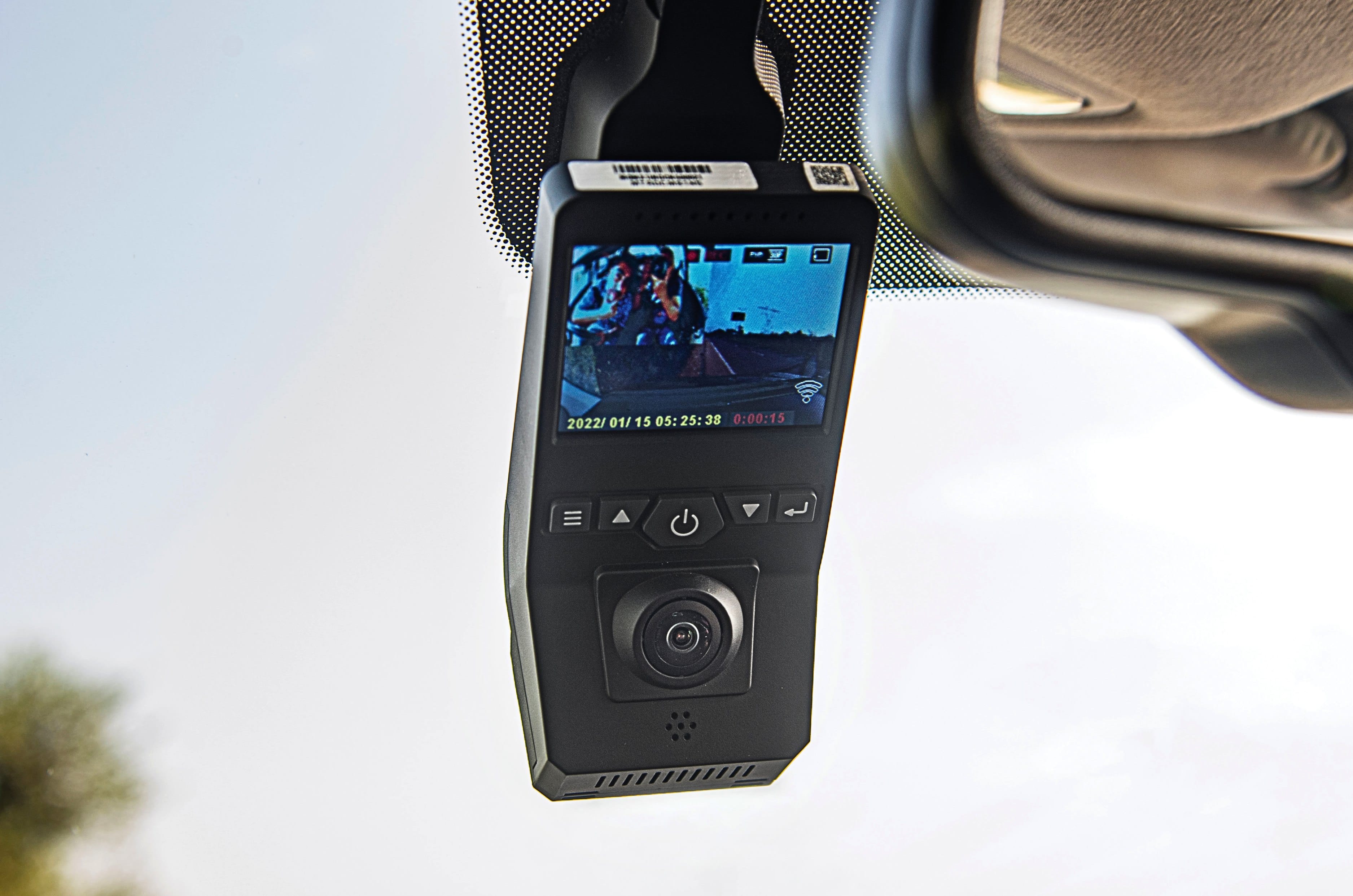
Plug-and-play electronic accessories, powered by a 12V socket or the USB ports, are generally safe. However, if these plug-and-play accessories draw a lot of power, such as aftermarket high-wattage headlight bulbs, infotainment systems, large audio amplifiers and high-pressure air compressors, they can strain the vehicle's alternator, battery, or fuses and cause circuit damage, voiding the warranty.
How to ensure accessories do not void the warranty
Consulting your dealership before installing an accessory can save your car's warranty
To ensure that an accessory does not conflict with the car’s warranty clauses, it is recommended that you read the car’s manual thoroughly and consult your dealership for guidance before the installation. If possible, conduct all communication via email or WhatsApp so that the discussion is admissible as evidence in case of a legal dispute. Also, ensure to take receipts and bills for all the accessories installed. OEM accessories do not affect a car’s warranty, and if they are installed at a dealership, it could be one less headache.
However, if you need to access the car’s warranty for a faulty part, dealerships may try to claim liability for the malfunctioning part due to the installation of an aftermarket accessory in some cases. Under the Consumer Protection Act, 2019, a manufacturer cannot use random clauses to void a warranty if a direct link exists between a failure and your actions. Hence, you will have to prove either that the issue existed before the accessory was installed or that your actions had no effect on the warranted part.


