
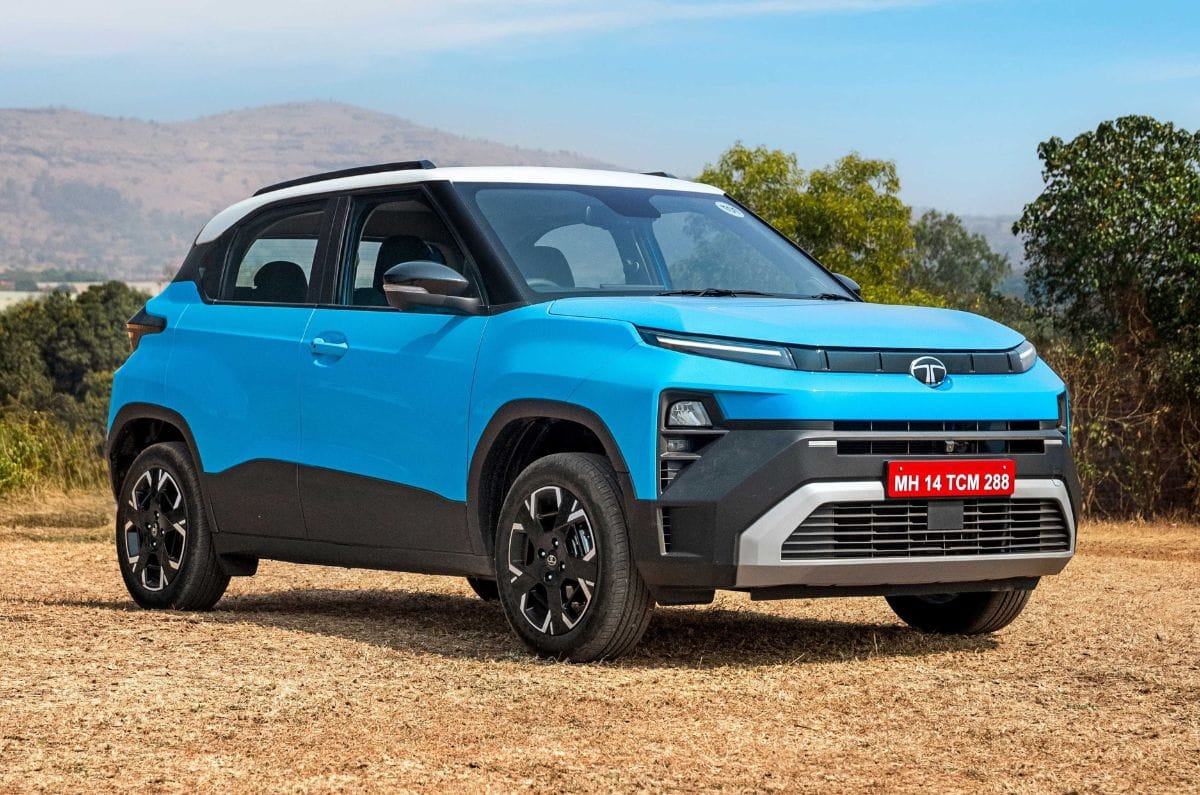
Tata Motors has brought in significant changes to its sub-compact Punch SUV. It not only gets a redesigned exterior but also new powertrain options and feature additions. The Punch rivals the likes of the Hyundai Exter, Citroen C3, Renault Kiger and Nissan Magnite. Based on our review, we have compiled a list of reasons to help you decide whether to buy the Punch facelift or not.
Impressive ride and handling
Light steering with fun-to-drive handling lends a great driving experience.
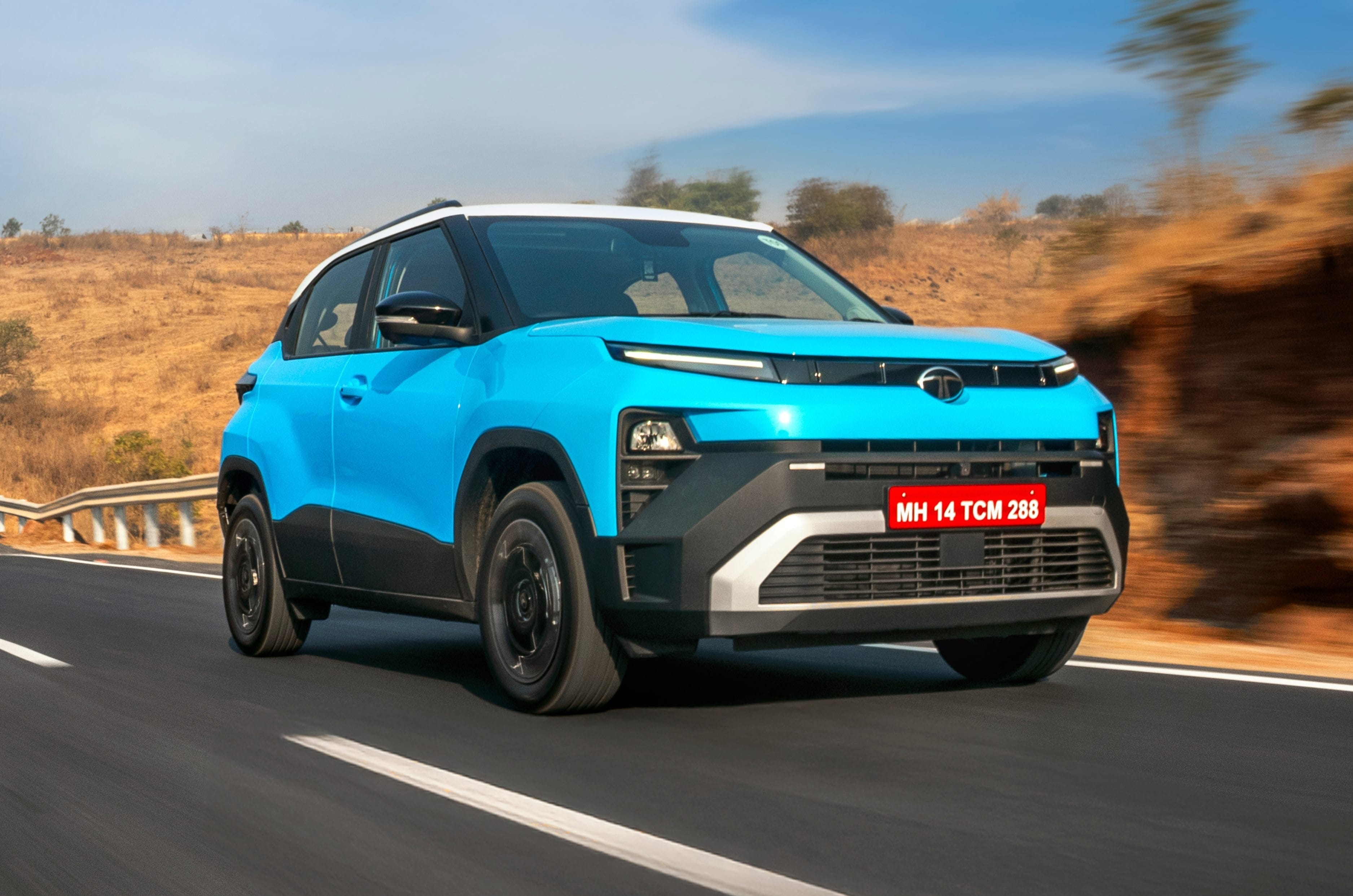
Like its predecessor, the Punch facelift retains its brilliant ride and handling abilities. The robust suspension setup enables it to absorb road irregularities on par with bigger cars. Stability at higher speeds is good as well. Moreover, the light and accurate steering enhances the overall experience. The Punch facelift can also take corners without much body roll, making it fun to drive around bends.
Turbo-petrol engine performance
Potent engine pairs well with the Punch chassis.
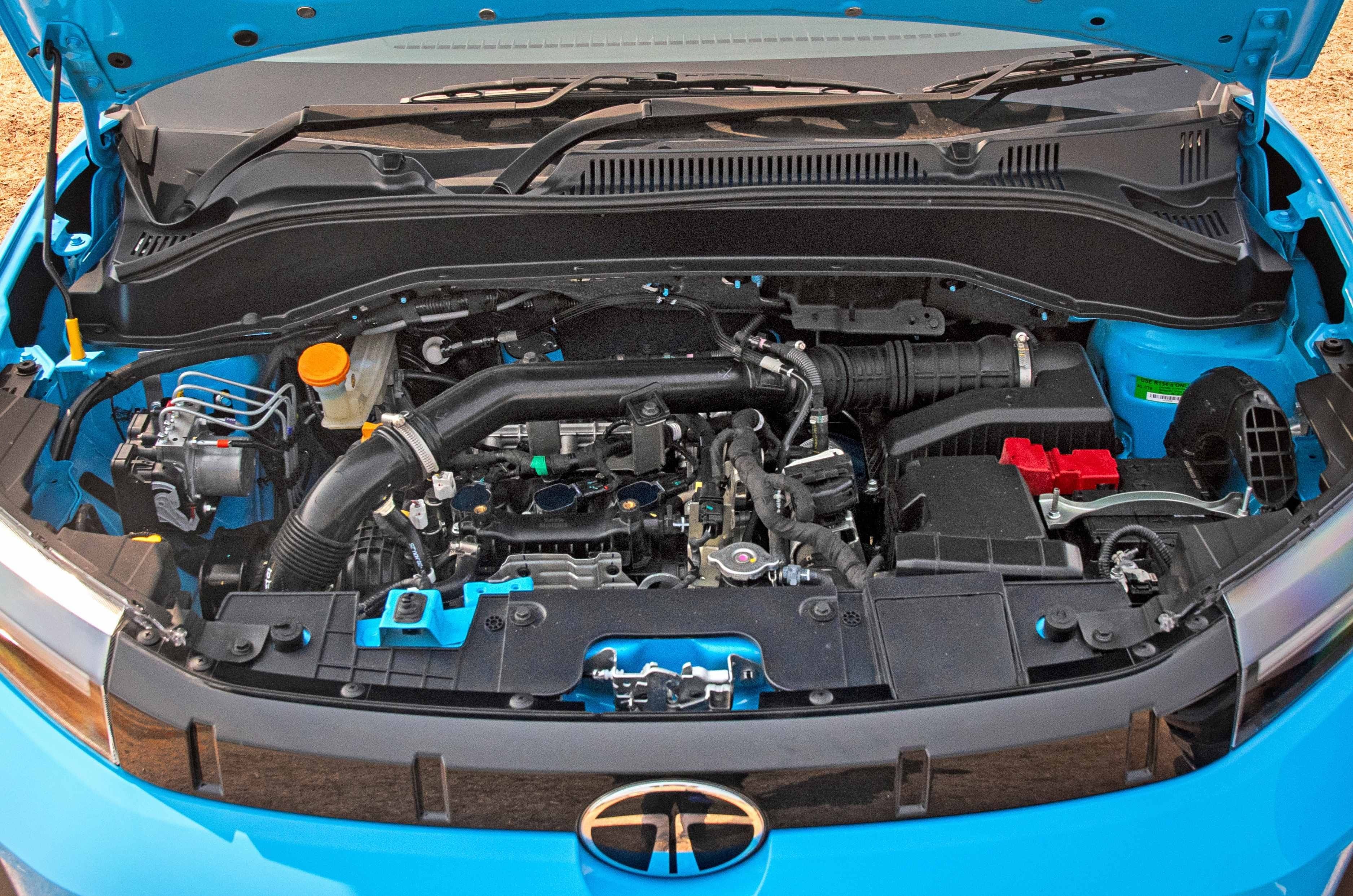
To address the naturally aspirated petrol engine's lack of grunt, the facelift was also introduced with a turbo-petrol engine. The Nexon-derived unit produces 120hp and 170Nm. In our experience, engine responses felt crisp with a strong pull and linear power delivery. It managed to deliver fairly quick 0-100kph and roll-on acceleration (20-80kph) times of 11.56 seconds and 10.98 seconds, respectively. The engine finally delivers the ‘punch’ that the naturally aspirated petrol fails to provide.
Better safety kit and feature additions
Now gets six airbags and a 360-degree camera.
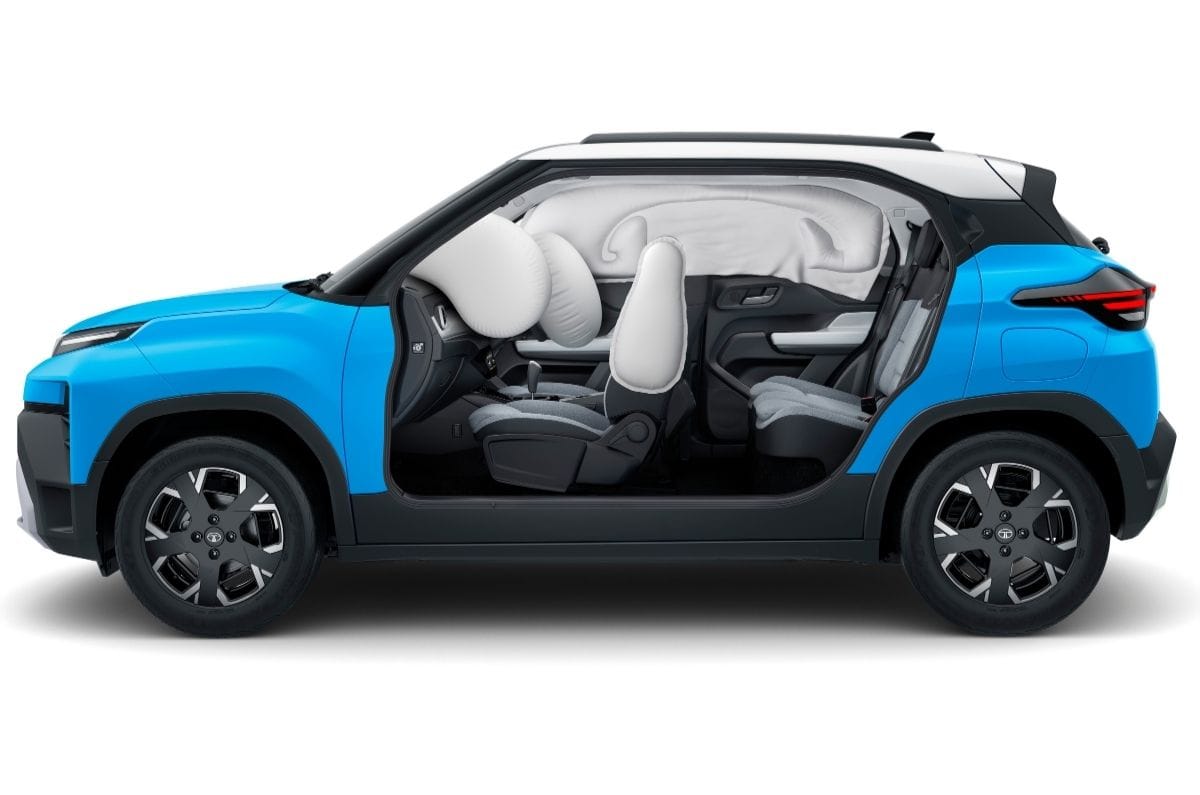
Tata has improved the overall safety by bringing in 6 airbags (previous model only came with 2), TPMS, hill-hold assist, front adjustable headrests, ESP and central locking from the base trim itself. Higher trims in the line-up also get a new 360-degree camera, a blind-spot monitor, hill-descent control, an auto-dimming interior rearview mirror (IRVM) and collapsible grab handles. The new Punch has also secured a 5-star rating in the BNCAP crash tests.
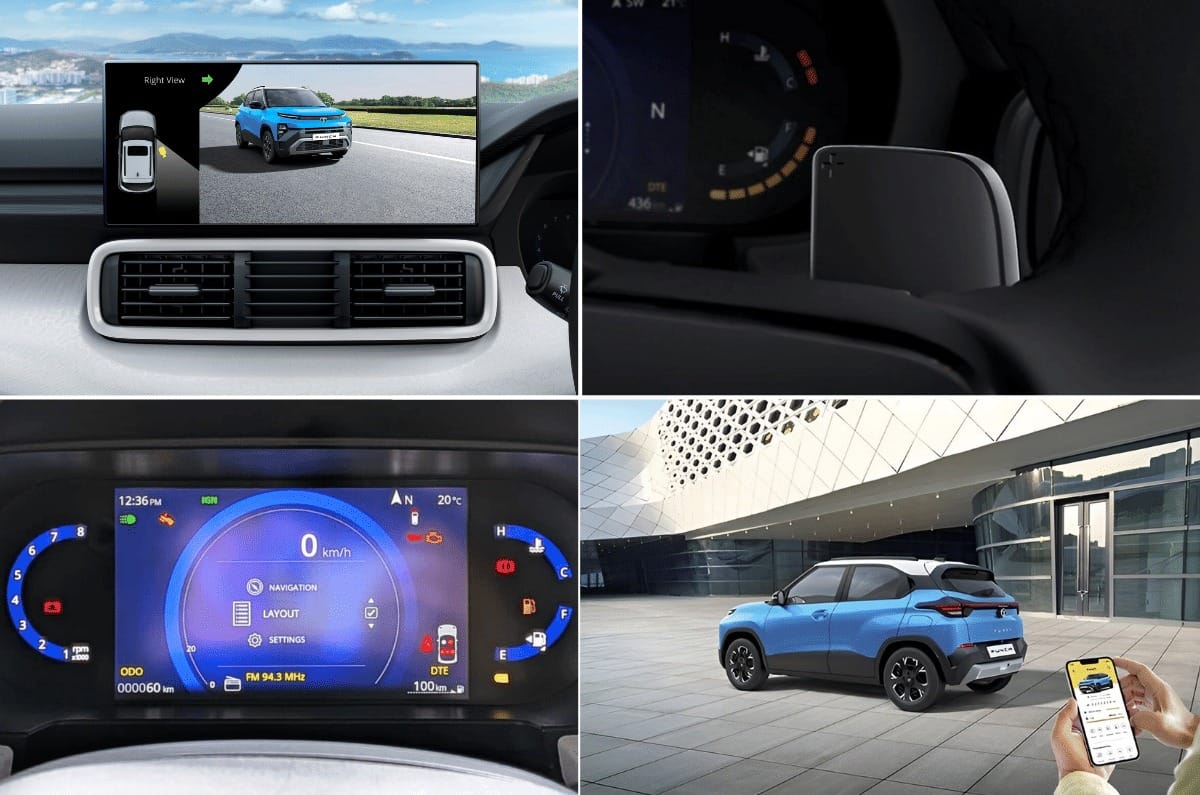
While the previous Punch was decently equipped to begin with, the facelift takes it further with features like a new TFT digital instrument cluster, two more tweeters (total 4) for the audio system, paddle shifters (AMT), connected-car tech, ambient lighting, faster 65W Type-C charging and an air purifier. Lower trims in the line-up are also better equipped than before, coming with an 8-inch touchscreen infotainment system with wireless Apple CarPlay and Android Auto, and cruise control.
Uninspiring naturally aspirated petrol engine
Lacks sufficient grunt required for quick overtakes and highway speeds.
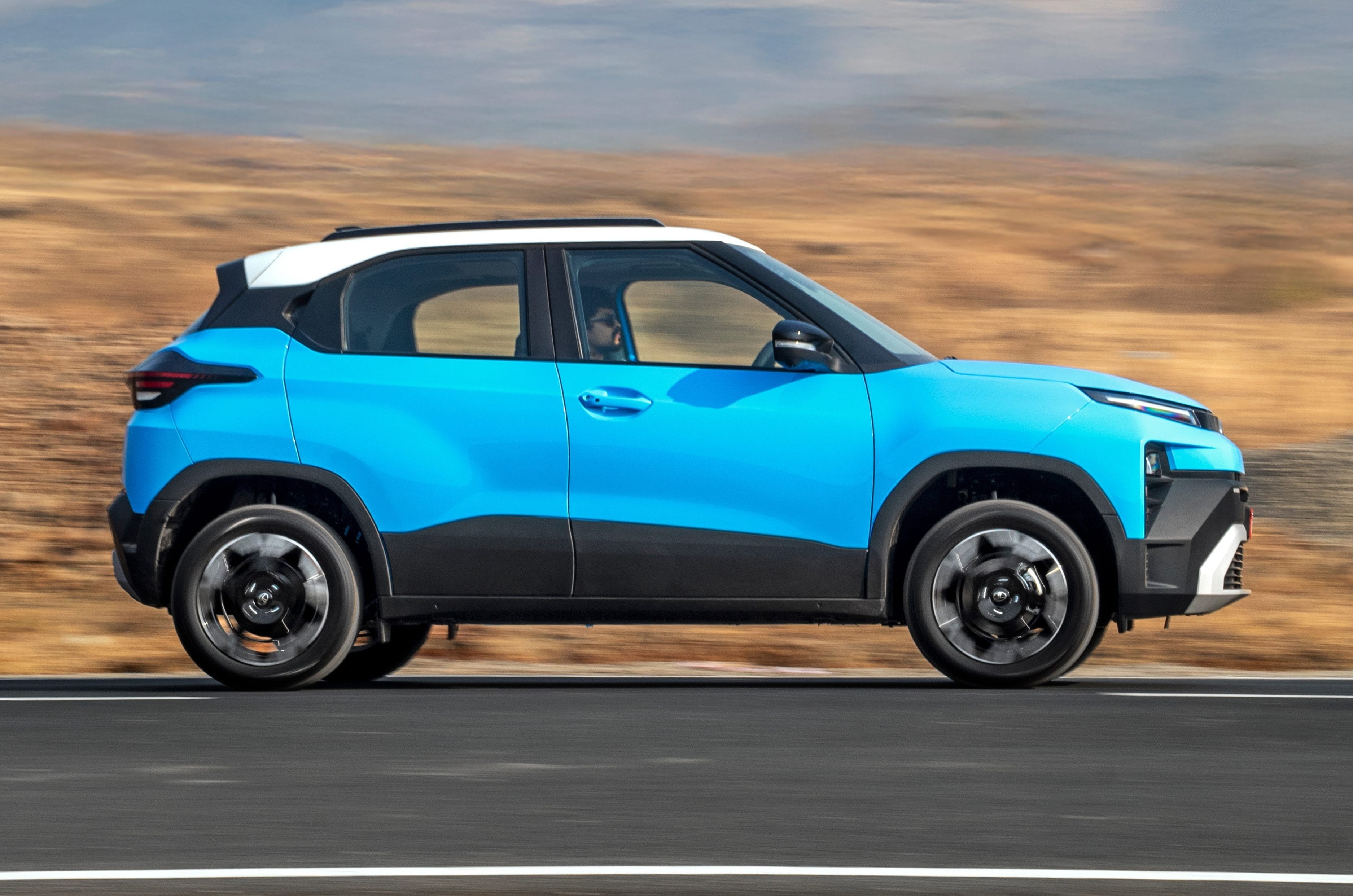
The Punch facelift retains the 1.2-litre naturally aspirated petrol engine from the previous model. It produces 88hp and 115Nm paired to either a 5-speed manual or a 5-speed AMT. While the engine works fine in the city, quick overtakes and reaching highway speeds will require planning due to its sedate nature. Furthermore, the manual gearbox's shifts are notchy. While we would not recommend going for this engine, its retention does help Tata price it competitively.
Pricey top-end variants
Top-end trim prices overlap with the bigger Nexon.
The price of the new Punch ranges between Rs 5.59 lakh and Rs 10.54 lakh (ex-showroom). Top-end trims of the Punch are on the expensive side, and overlap with prices of the lower trims of the larger and more spacious Nexon (Rs 7.31 lakh-14.15 lakh, ex-showroom).


