
India’s newest automotive challenger isn’t a carmaker, it’s a steel giant. The JSW Group, one of India’s largest conglomerates, is making a serious push into the auto business, betting big on new energy vehicles (NEVs) and global partnerships to fast-track its entry.
What exactly is the JSW Group’s strategy?
On one hand, JSW is expanding JSW-MG Motor India, the joint venture with China’s SAIC that already sells MG cars. On the other, it is preparing to launch its own JSW Motor brand with a separate range of EVs and plug-in hybrids (PHEVs). Together, the push could involve investments of up to USD 1 billion over the next few years.
A key weapon in JSW’s arsenal is its willingness to tap Chinese EV tech, currently among the most advanced and cost-competitive in the world. Chinese manufacturers not only have mature EV platforms and battery ecosystems, but also products that align closely with Indian market demands – feature-rich SUVs with long range and competitive pricing. The success of the MG Windsor, currently India’s bestselling electric car, shows how effective that formula can be.
By leveraging these partnerships while localising production, JSW aims to rapidly build a broad NEV portfolio and establish itself as a serious new player in India’s fast-growing electrified vehicle market.
What products are in the pipeline from JSW-MG Motor India?
JSW MG Motor India is committing up to USD 440 million to expand capacity and roll out a fresh range of new energy vehicles. Until now, the company has been heavily reliant on the MG Windsor EV – India’s bestselling electric car in 2025 – while most of its legacy models have underperformed. That is set to change with an aggressive product offensive that will see multiple new platforms and powertrains introduced over the next few years.
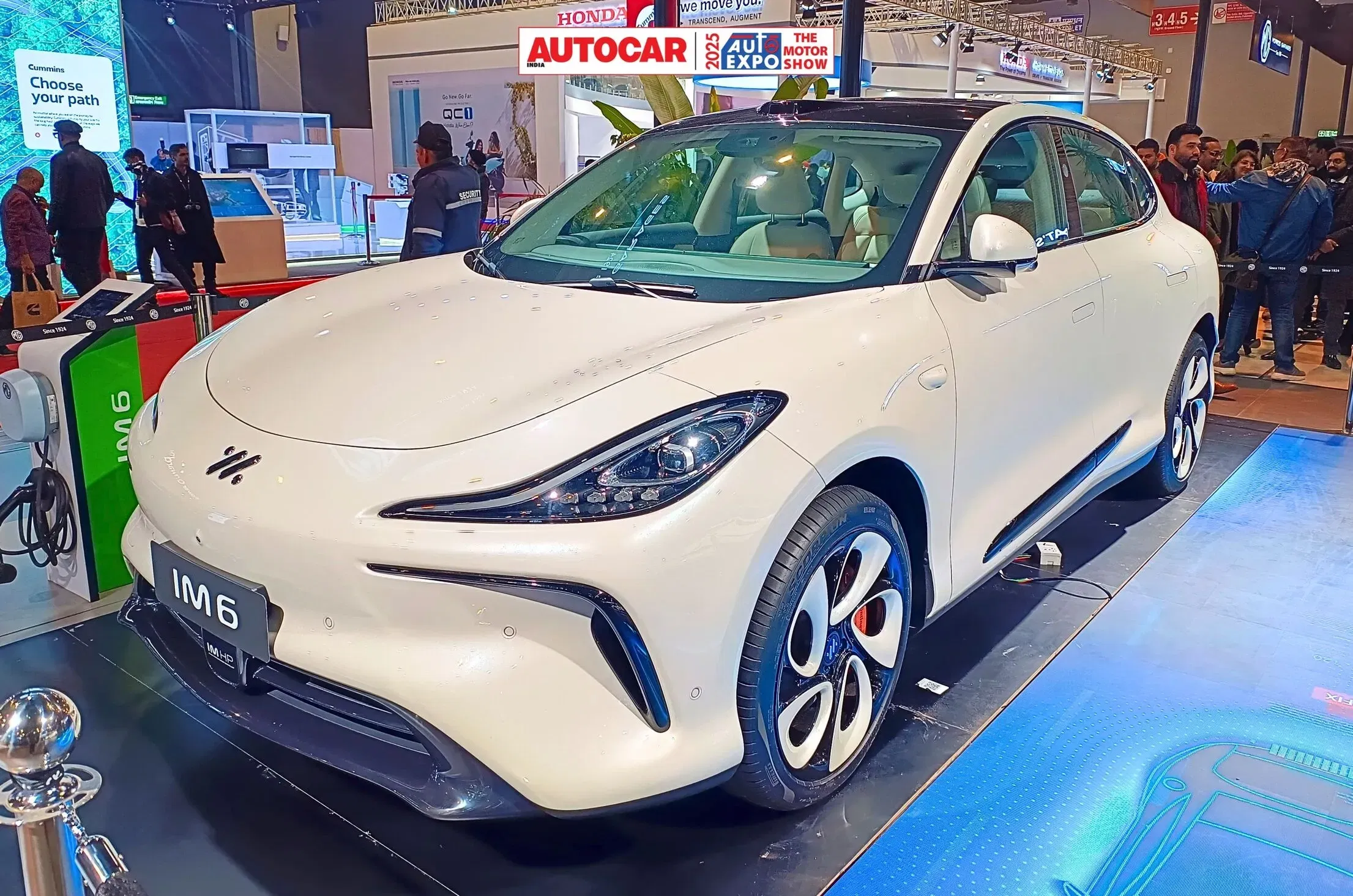
The first of these products will be the IM6 electric crossover that will be retailed through MG’s premium Select channel. This decision follows the encouraging response MG received for the Cyberster and the M9 MPV. In markets abroad, the IM6 gets both RWD and AWD configuration, with claimed range of up to 555km. At an expected price of about Rs 60 lakh, it will likely serve as the entry-point to the MG Select lineup.
Following this will be a new three-row SUV, likely based on the Wuling Starlight 560, to rival the likes of the Mahindra XUV 7XO. Internationally, it is available with both electric and plug-in hybrid powertrains, which means this could also be the first mainstream plug-in hybrid SUV in our market. The new three-row SUV is expected to arrive by the end of 2026. MG is also readying a new Astor/ZS EV replacement which will be based on an all-new platform, have an advanced E&E architecture and is expected to arrive in 2027 with a renewed focus for the midsize SUV segment.
What products are in the pipeline from JSW Motor’s standalone brand?
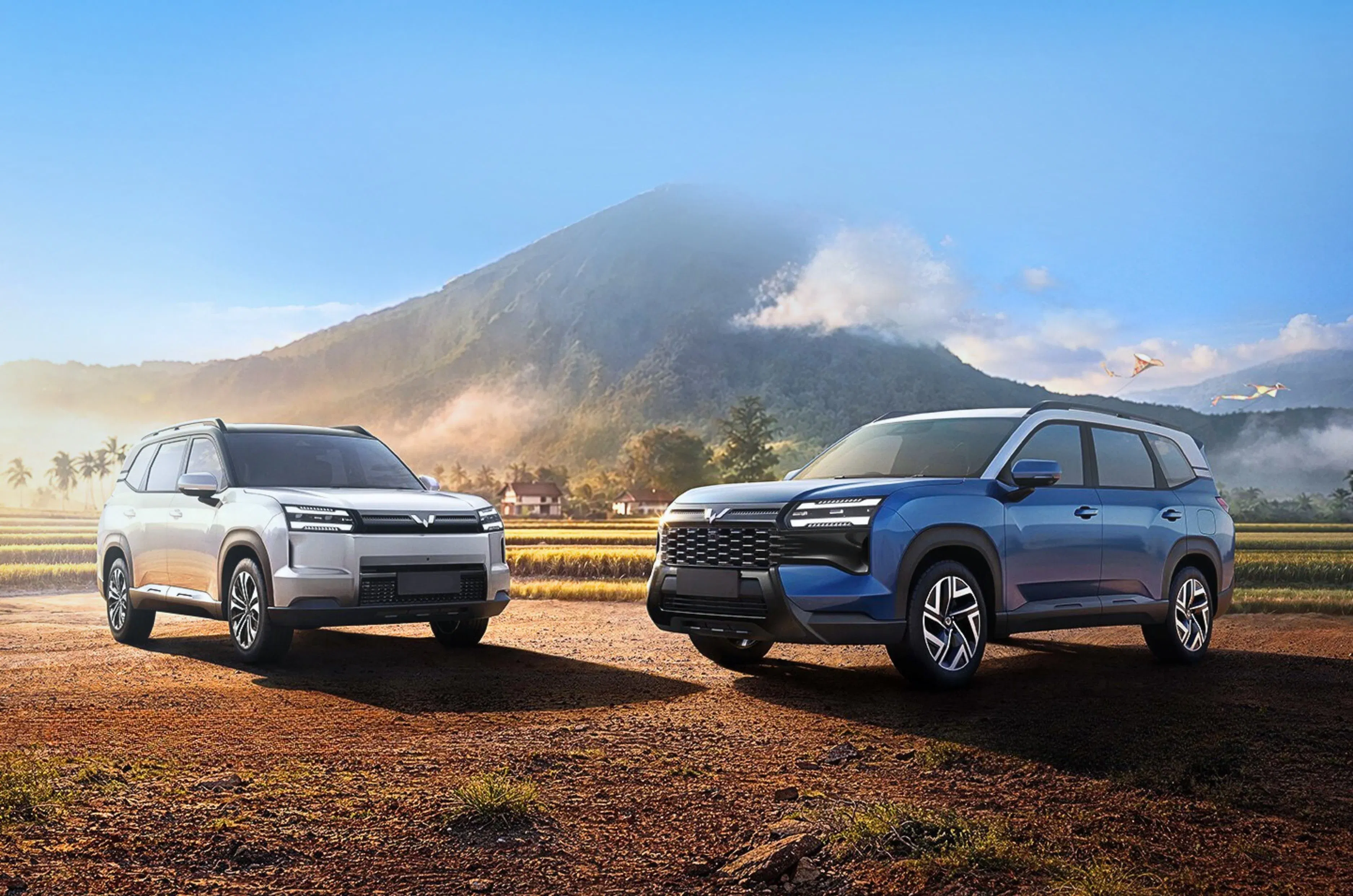
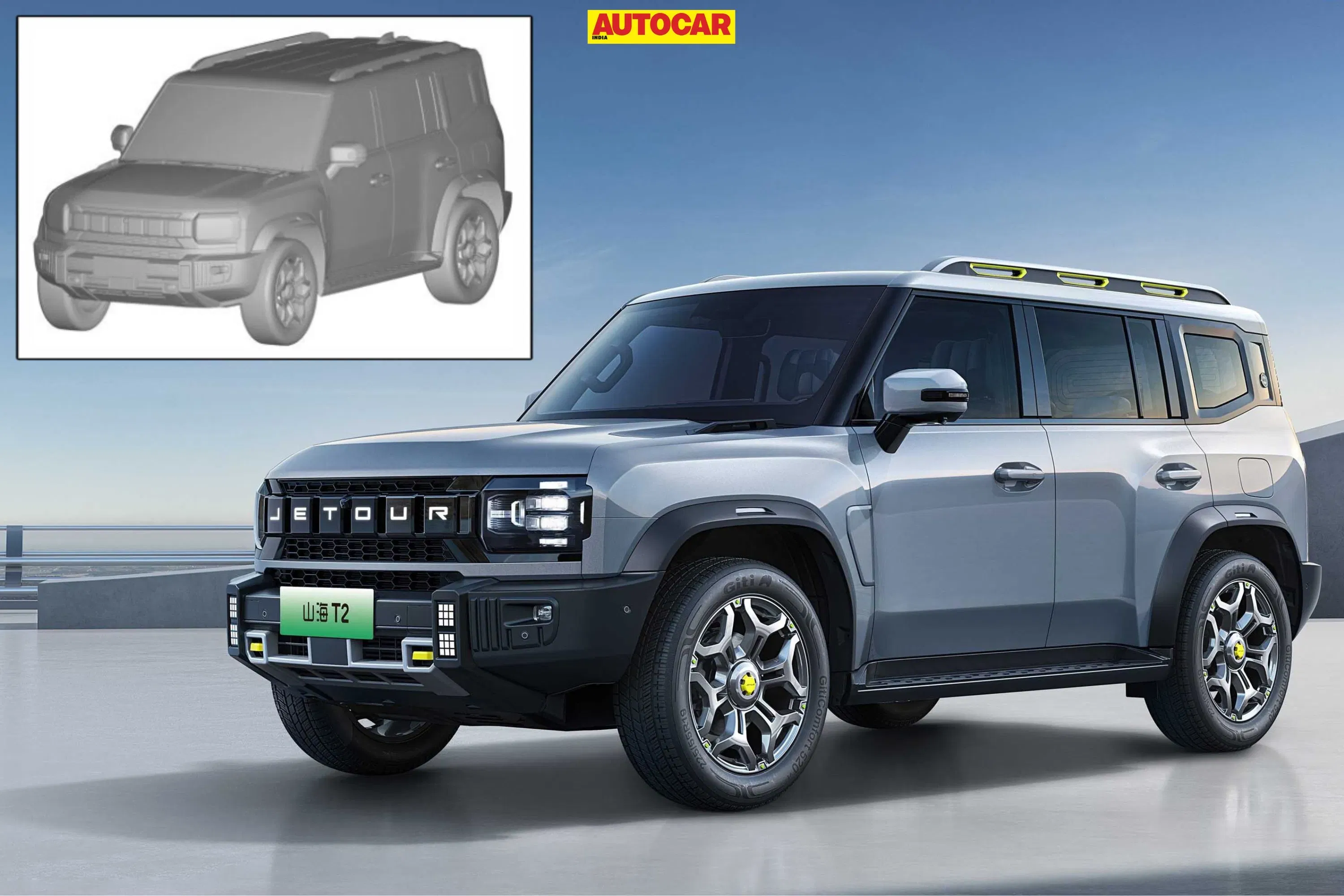
JSW Motor’s first product for India will be a large SUV based on Chery’s Jetour T2. An India debut is targeted around Diwali, although delays in approvals for importing Chinese components could push the price announcement and market launch to early next year. The SUV is expected to use the T2 i-DM plug-in hybrid powertrain and will be assembled from CKD kits at JSW’s upcoming plant in Chhatrapati Sambhajinagar.
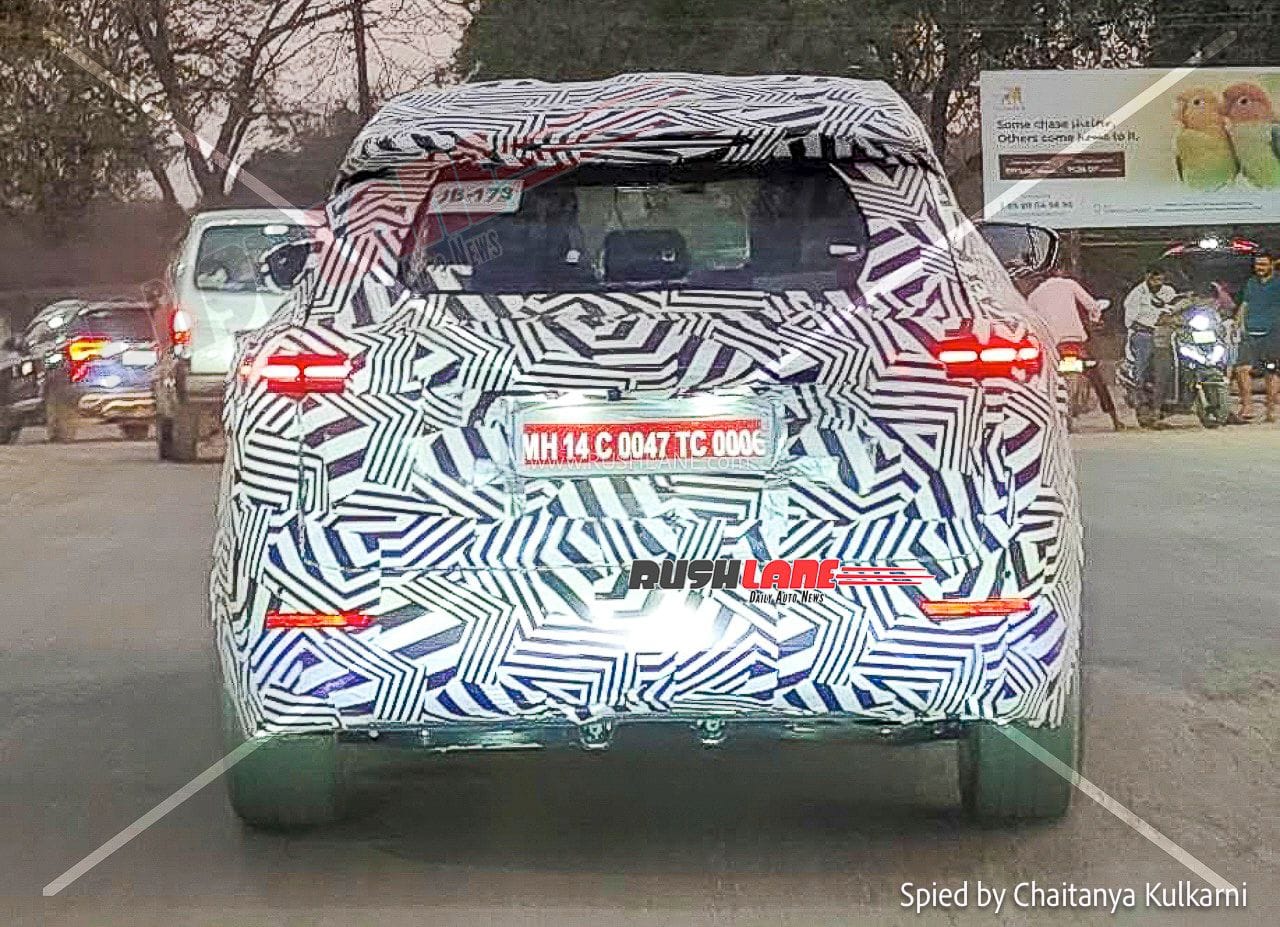
Following the T2 PHEV, JSW Motor is developing a midsize electric SUV based on Chery’s iCar V23. Heavily camouflaged test mules have already been spotted on Indian roads, suggesting development is at an advanced stage. The iCar V23-based model is only expected to arrive in 2027. The company is targeting local assembly with expectations of a sub-Rs 20 lakh starting price. Lastly, JSW Motor also has another EV lined up for the same midsize SUV space, this time based on Chery’s Jaecoo J5 (sold as the E5 EV in some markets like the UK). This model will be positioned as another rival to the Hyundai Creta Electric, Mahindra BE 6 and the Tata Sierra EV, and will also be assembled at the Chhatrapati Sambhajinagar plant.
What are the possible challenges?
Taken together, JSW’s twin tracks – expanding and refreshing the MG Motor portfolio and rolling out its own JSW-badged range of cars with Chinese technology partners – add up to one of the boldest new energy gambles ever attempted by an Indian conglomerate. However, this kind of rapid, platform-led entry into mass-market NEVs has never been done before at this scale in India, and the real test will lie beyond the products’ specs.
The JSW Group will have to secure deep and timely technology transfer from its Chinese partners, build and retain a strong local engineering and sourcing team, and stitch together a high-quality retail and aftersales network, almost from scratch, if it wants to turn this hardware advantage into long-term brand equity. If it can execute on those softer, people- and process-driven aspects with the same urgency as its extensive product plan, its EVs and PHEVs could genuinely reset expectations in not only the midsize SUV but also in the broader New Energy Vehicle space.
If not, JSW will simply join the list of ambitious new players that tried to break into India’s tightly knit, hard-fought and closely guarded car market and struggled to make a breakthrough.
With inputs from Rivan RS


