
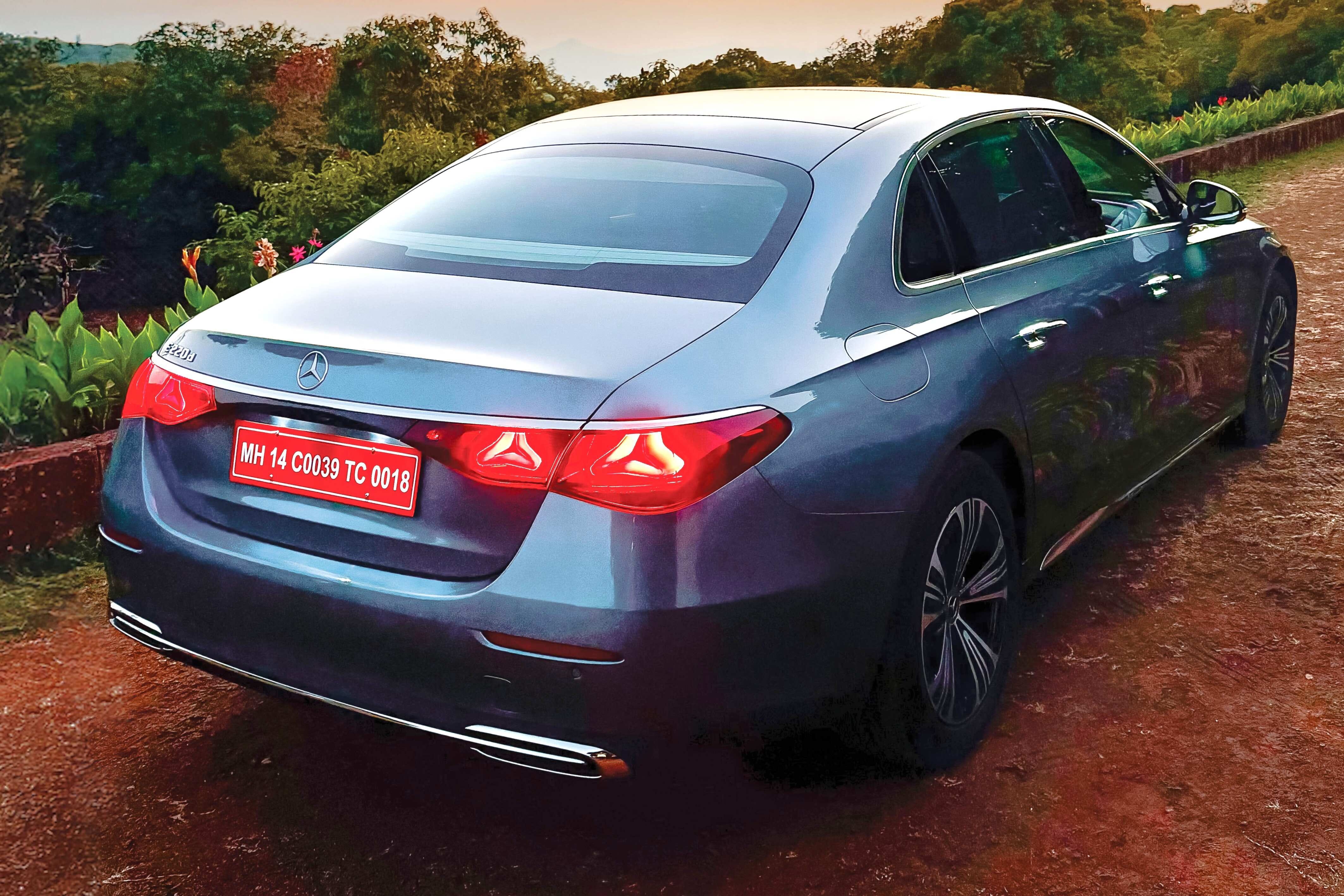
Our new long-termer is something of a contrarian. In a world pivoting to SUVs and embracing new-energy powertrains, Mercedes-Benz has cocked a snook at convention (and its rivals) with a sedan powered by only petrol and diesel engines that has emerged as India’s bestselling luxury car. Ahead of the BMW iX1, which is both an SUV and electric. This is the E-Class, confident in its own shiny skin, secure in knowing exactly what its customers value. That confidence is reflected in its phenomenal appeal, and after a few weeks with our long-termer, it’s not hard to understand why.
Our long-termer is the E220d, powered by Mercedes’ 2.0-litre four-cylinder diesel producing 194bhp and 440Nm, now paired with a 48-volt mild-hybrid system, which includes a 17kW integrated starter-generator that can contribute up to 27PS of boost for short bursts. It’s not a full hybrid; think of it more as a sophisticated electrical assistant that smoothens out the powertrain’s rougher edges and improves efficiency. To get properly acquainted, I whisked it away for a quiet weekend to Mahabaleshwar. Quiet being the operative word.
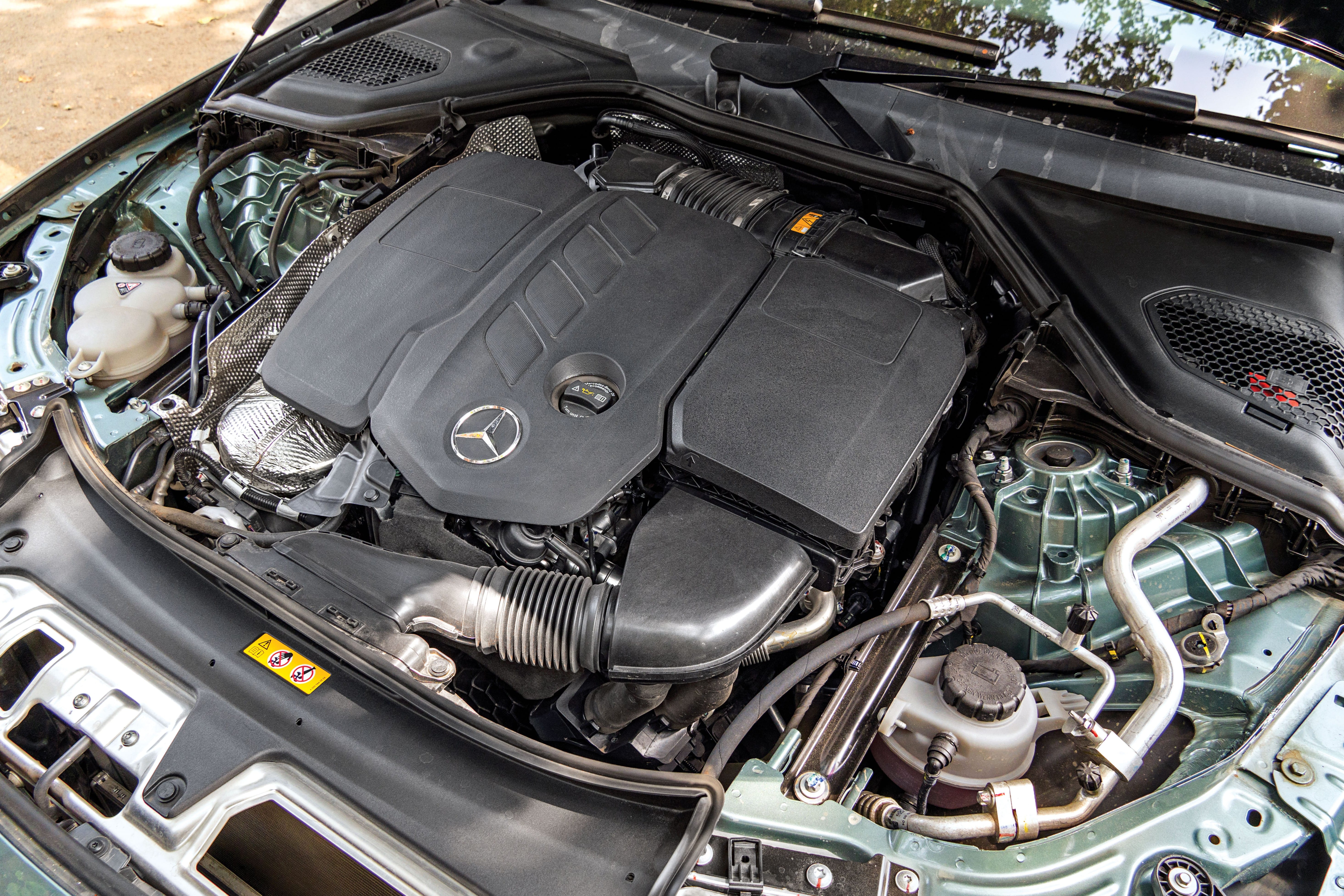
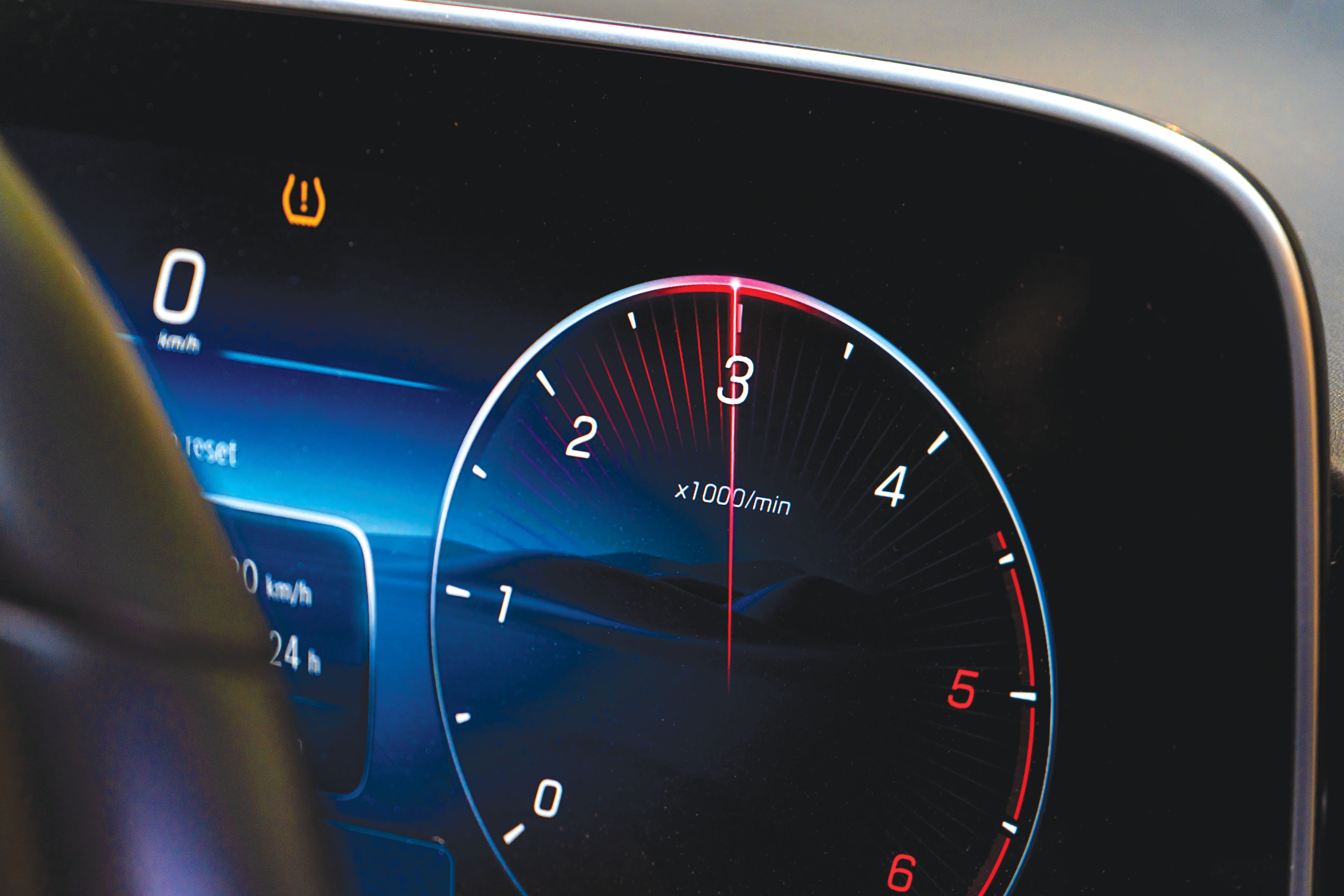
Switch on the E220d and close your eyes. You’d be hard-pressed to identify it as an oil-burner. The refinement is, frankly, shocking. There’s no diesel clatter at idle, no thrum at speed, no drone near the redline. The only giveaway is a modest 4,500rpm ceiling on the tacho. In every other sense, the smoothness, linearity of delivery, and noise levels make it feel uncannily petrol-like. It’s a reminder of just how extraordinarily far Mercedes has pushed diesel refinement, particularly for a four-cylinder unit. This engine would embarrass many a six-pot.
The mild-hybrid assist does its job quietly and unobtrusively, exactly as it should. You don’t feel it intervening so much as notice its absence on the rare occasion it isn’t. The transitions in and out of the starter-generator’s assistance are seamless, and it takes the jagged edge off urban stop-start driving in a way that older diesels simply couldn’t.
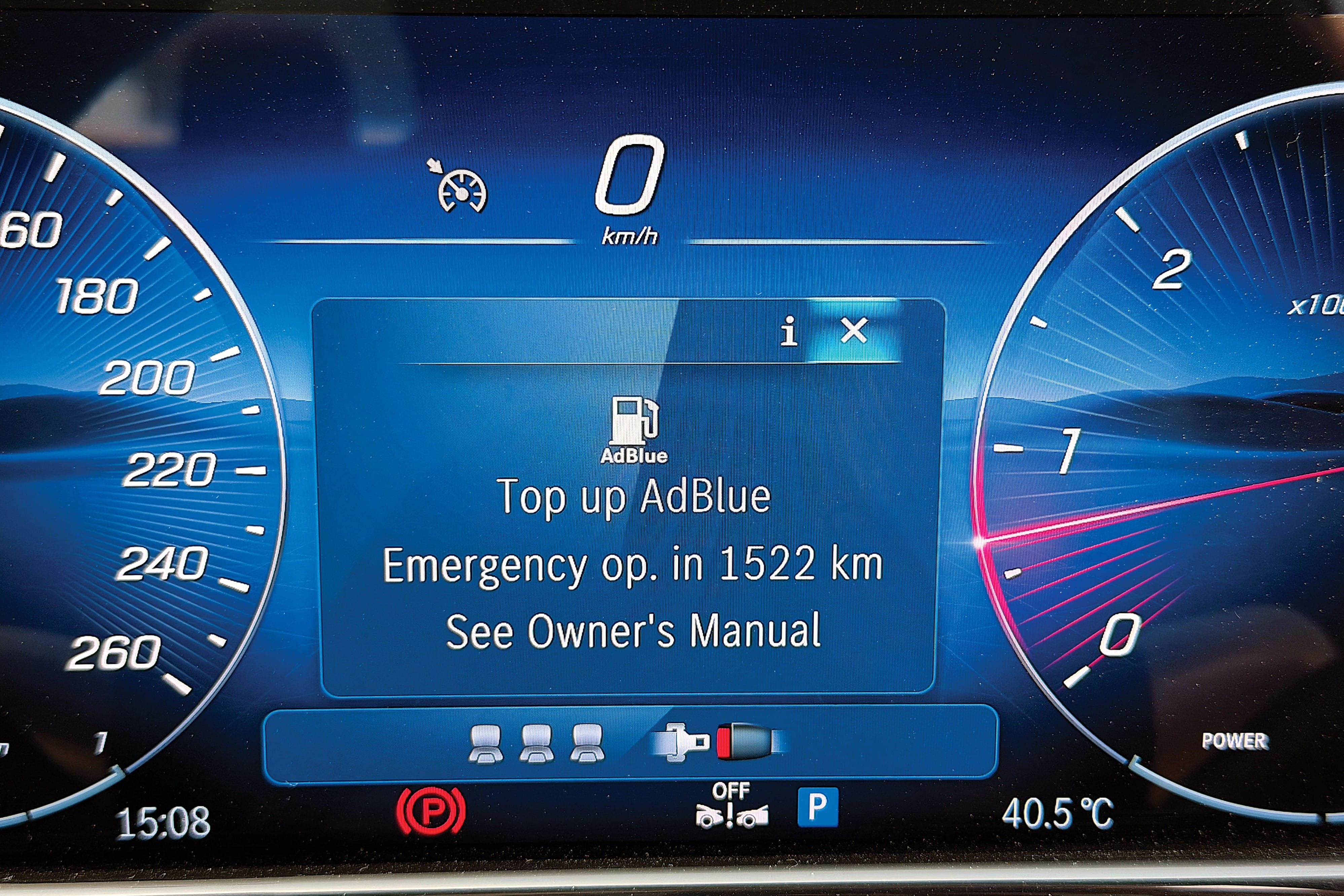
What you won’t find, however, is that addictive, locomotive mid-range surge that once made diesel cars so characterful. Modern emissions hardware like SCR catalysts, AdBlue injection and particulate filters has smoothened the power curve to the point of near-flatness, and the mild-hybrid assist completes that smoothening job. Speaking of AdBlue, the top-up alert that came on is a reminder that modern diesels are essentially rolling chemistry labs, neutralising NOx emissions on the fly. The price of clean air is complexity.
The E220d is genuinely brisk, but it doesn’t feel urgent. It wafts past slow-moving trucks on NH66 rather than blasting through gaps. Effortless is the word, but occasionally, you want it to be more forceful. On the many single-lane stretches of NH66 – a sign of how catastrophically unfinished this so-called national highway remains – a brutal, more characterful diesel shove would be welcome.
NH66 is, without exaggeration, the worst major highway I have driven on in India. Badly surfaced, perpetually incomplete, riddled with abrupt transitions between concrete and tarmac. It is, therefore, a superb acid test.
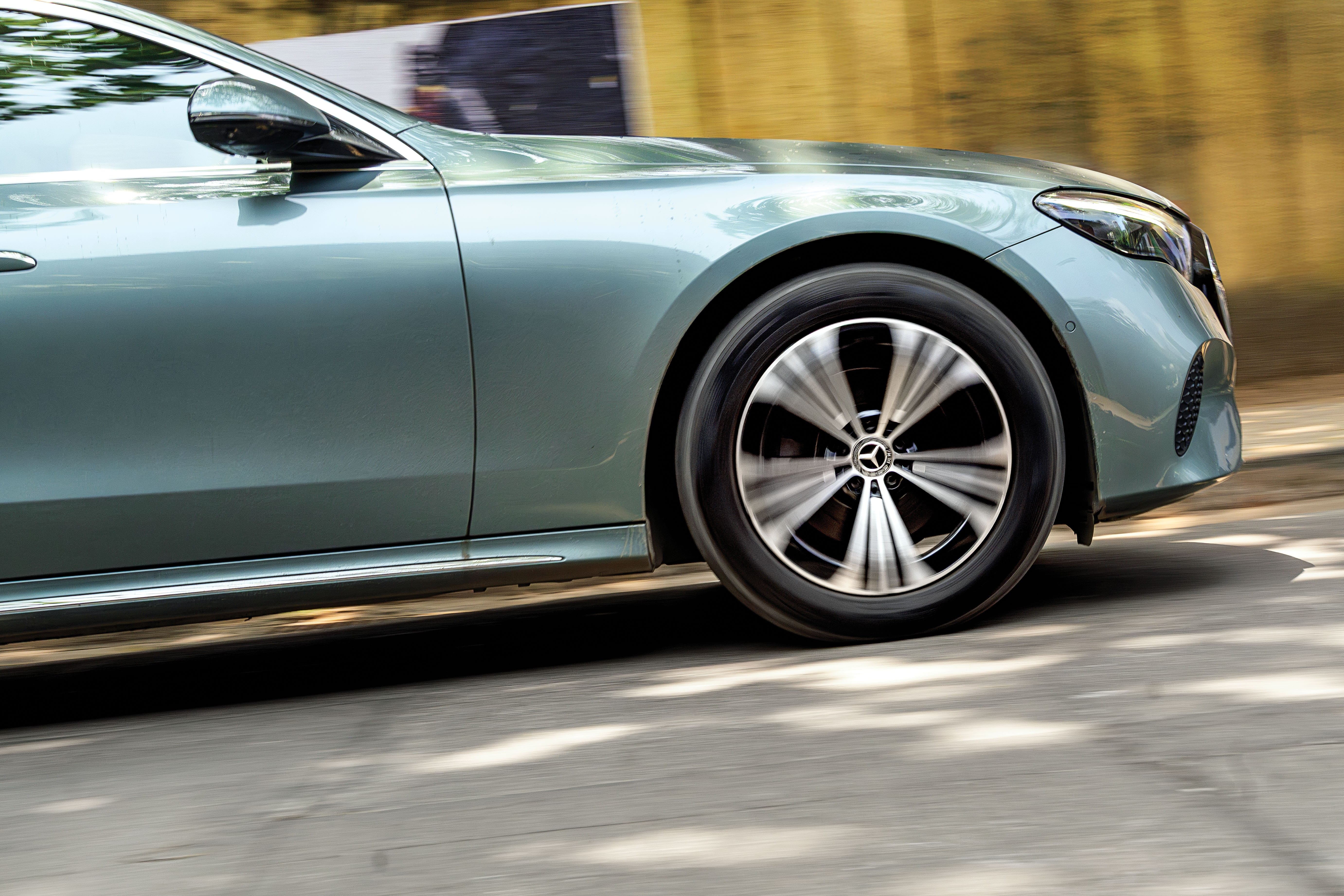
The E-Class passed with flying colours. On those undulating concrete slabs, the suspension absorbed inputs with a composure that bordered on magical; soft enough to feel pillowy on the straight-line slogs, yet controlled enough in body movement to feel entirely unruffled. That is the hardest balance to strike in suspension tuning, and Mercedes has nailed it here with steel springs and finely calibrated damping that mimics the waft of air suspension without the cost or complexity. The roadworks outside our Mumbai office – broken tarmac, deep ruts, misaligned surfaces – show off the E-Class’ suspension brilliance on a daily basis. The E220d mashes through it all with almost contemptuous ease. The E-Class has the best ride quality of any Mercedes this side of the S-Class, and is proof that sedans remain superior to SUVs in this regard.
The equivalent GLE, for reference, feels hard-edged and bumpy in comparison.
The run from Mahabaleshwar back to the Autocar HQ took a very swift 3 hours and 7 minutes, averaging 70kph, not counting a 20-minute halt at Pantree near Karnala for misal pav. Some stops are non-negotiable! The point is, the E-Class devoured the return journey with the kind of effortless, intergalactic cruising ability that makes long distances feel inconsequential.
The Ambenali ghat section delivered a surprise. Through those narrow, tight, elevation-shifting corners, the E220d displayed an agility that you simply don’t expect from a long-wheelbase luxury sedan.
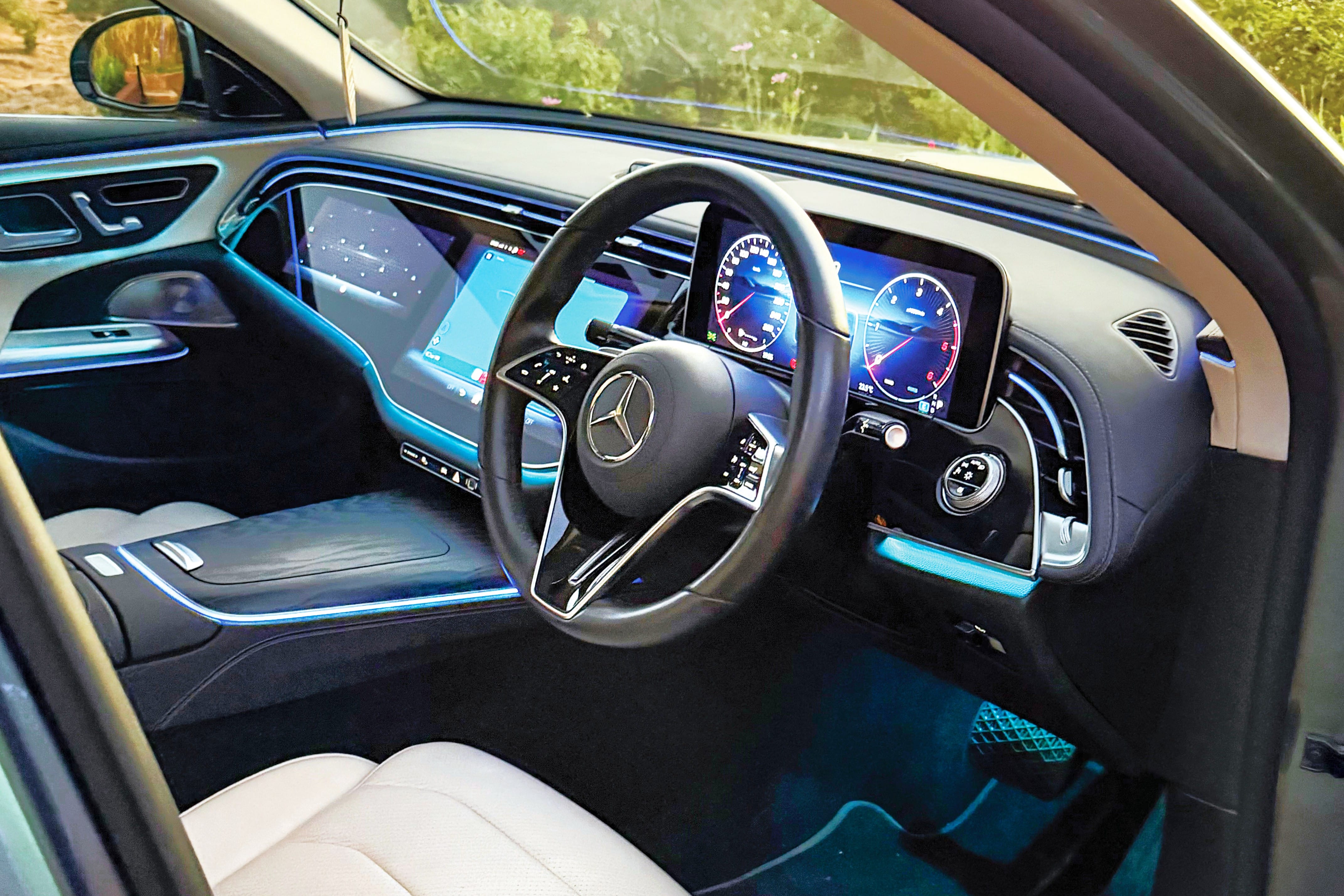
Rear legroom is fantastic, but it wasn’t me who put the abundance of legroom to good use – it was my luggage. I don’t like my bags flying around the back of the boot, so I preferred wedging them behind the front seats. Now that’s what I call making good use of the extra legroom!
The hard-charging return drive hurt the numbers. For a diesel, 10.7kpl is modest, and clearly the mild-hybrid assist, which is calibrated more for smooth urban efficiency than hard highway charging, made little difference. A more relaxed right foot will do considerably better.
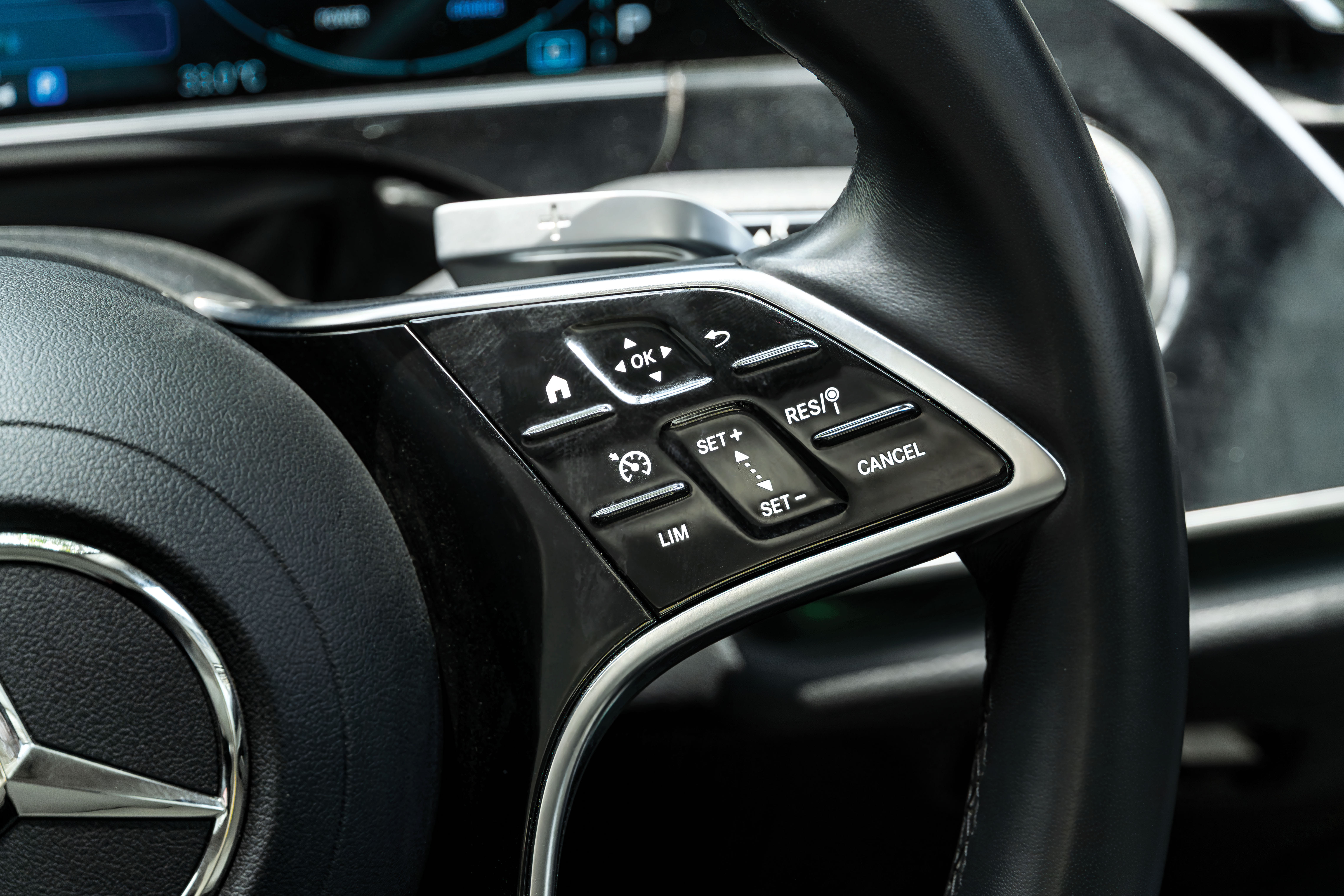
One persistent niggle remains. The steering-mounted touch controls remain frustratingly unresponsive, a grouse we’ve levelled at Mercedes for years, and one they’ve thankfully addressed in their newest-generation models.
The E220d makes no apologies for being old-fashioned in the best possible sense. It’s a sedan, it has a diesel engine with just enough electrification to sharpen its efficiency credentials, and it is magnificent at being all three. The bestseller badge is entirely deserved.
Mercedes-Benz E-Class E 220d test data | |
| Odometer | 13,039km |
| Price | Rs 82 lakh (ex-showroom, India) |
| Economy | 11.4kpl (highway) |
| Maintenance cost | None |
| Faults | N/A |


